
Lenovo's Modular Laptop Redefines Flexibility at MWC

Lenovo Reinvents the Laptop with Modular Magic

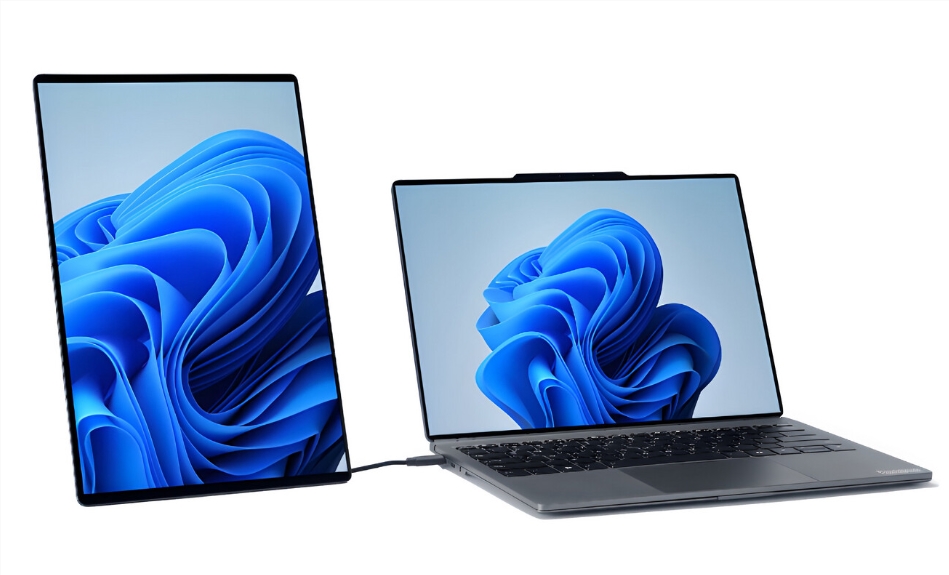
At this year's Mobile World Congress in Barcelona, Lenovo turned heads with its revolutionary ThinkBook Modular AI PC Concept. Image This isn't just another laptop - it's a shape-shifting workstation that adapts to your needs like digital LEGO.
The Transformer of Computers

The concept machine's standout feature is its radical flexibility. Where most laptops lock you into a single form factor, Lenovo's design lets you swap out key components with satisfying clicks. The magic happens in what would normally be wasted space beneath the screen.

Imagine this:

  • Business Mode: Snap in the traditional keyboard when you need to power through emails
  • Creative Mode: Replace it with an identical secondary display for double the workspace
  • Ergonomic Mode: Detach everything and position components wherever they feel most comfortable

Unlike folding-screen devices that compromise durability for versatility, Lenovo's modular approach uses sturdy, standardized parts. "We wanted to give professionals real flexibility without the fragility," explains lead designer Mei Lin Chen. "Why force users to choose between productivity and comfort?"

The concept builds on Lenovo's legacy of innovative designs but pushes boundaries further than ever before. Early testers report the modules click into place with reassuring solidity - no wobbly hinges or delicate screens here.

Why This Matters Now

As hybrid work becomes permanent for many professionals, our devices need to keep up. Traditional laptops often force uncomfortable compromises:

  • Designers sacrifice screen space for portability
  • Programmers juggle multiple windows on cramped displays
  • Remote workers strain their necks hunching over keyboards

The modular concept addresses these pain points elegantly. Need more screen real estate for your design software? Swap in that second display. Working from your couch? Separate the keyboard for better posture.

Industry analysts see potential beyond just professional use. "This could change how we think about personal computing," notes tech journalist Raj Patel. "The same device could transform from work laptop to entertainment center to digital sketchpad."

The prototype shown at MWC suggests production models might arrive within two years if consumer interest remains strong.

Key Points:

  • Modular design allows swapping between keyboard and secondary display
  • Uses standard rigid screens instead of expensive folding technology
  • Addresses ergonomic challenges of traditional laptops
  • Potential applications span business, creative work, and entertainment
  • Expected to reach consumers within 2 years if development continues

Enjoyed this article?

Subscribe to our newsletter for the latest AI news, product reviews, and project recommendations delivered to your inbox weekly.

Weekly digestFree foreverUnsubscribe anytime

Related Articles

News

Freight Software Giant WiseTech Bets Big on AI, Cuts 30% of Workforce

Australian logistics software leader WiseTech Global is making a dramatic pivot to AI, announcing plans to slash nearly 2,000 jobs - about 30% of its workforce. CEO Zubin Appoo declared 'the era of manual coding is over,' signaling a fundamental shift in how software will be developed. While painful for employees, investors cheered the move, sending shares up 11%. The restructuring highlights how AI is transforming traditional tech business models.

February 25, 2026
AI transformationtech layoffsenterprise software
News

Baidu's Digital Workforce Hits 1.3 Million as AI Agents Go Mainstream

Baidu's Qianfan platform has reached a significant milestone, powering over 1.3 million AI agents across industries. These digital workers are no longer experimental - they're handling millions of daily tasks in finance, manufacturing, and retail. With new model integrations and predictions of autonomous 'digital employees' by 2026, Baidu is leading China's AI commercialization race.

February 6, 2026
AI adoptionenterprise technologydigital transformation
News

UK Workers Grapple With AI Job Fears As Automation Spreads

A new survey reveals growing anxiety among UK workers about AI replacing their jobs, with 27% fearing displacement within five years. While employers enthusiastically adopt AI tools, nearly half of employees feel companies benefit more than workers. The generational divide is striking - younger workers worry most about automation squeezing entry-level roles.

January 26, 2026
AI workforce impactfuture of workautomation anxiety
News

AI Construction Boom Creates Gold Rush for Skilled Trades

At Davos 2026, NVIDIA's Jensen Huang revealed how AI is reshaping global employment in unexpected ways. While automation threatens some white-collar jobs, Huang highlights a massive infrastructure boom creating unprecedented demand—and six-figure salaries—for electricians, plumbers and construction workers. This tectonic shift makes vocational skills increasingly valuable in our AI-powered future.

January 22, 2026
AI jobsfuture of workvocational training
News

London Mayor Warns AI Could Wipe Out Jobs Without Regulation

London Mayor Sadiq Khan has sounded the alarm about artificial intelligence's potential to devastate employment markets if left unchecked. Speaking at his annual address, Khan revealed that 56% of London workers fear AI will impact their jobs within a year. While acknowledging AI's benefits in healthcare and climate solutions, he warned of looming unemployment crises and wealth concentration. The city is responding with free training programs and expert task forces to help workers adapt.

January 19, 2026
AI regulationfuture of workLondon economy
News

Indian Startup Emversity Secures $30M to Train Workers AI Can't Replace

As AI reshapes job markets worldwide, Indian vocational training startup Emversity has doubled its valuation to $120 million by focusing on an unexpected niche: jobs that resist automation. The company's $30 million Series A funding will expand its programs training nurses, therapists and hospitality workers - roles requiring human touch that AI struggles to replicate. Partnering with universities and employers, Emversity bridges India's skills gap while creating career paths insulated from technological disruption.

January 15, 2026
vocational trainingfuture of workskills gap