Kuaishou's Kling 2.6 Brings AI Videos to Life with Voice and Motion Magic

Kuaishou's AI Breakthrough: Videos That Move and Sound Like You
Image

Remember when AI videos looked stiff and sounded robotic? Kuaishou's Kling 2.6 is changing that game entirely. The latest update introduces two revolutionary features that make digital avatars nearly indistinguishable from real humans.

Your Voice, Their Mouth

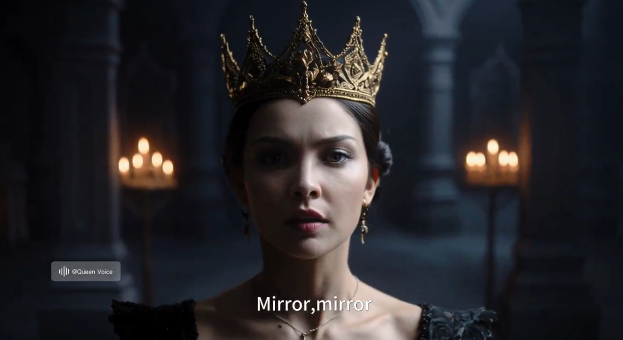
The voice control system isn't just another text-to-speech converter. It's a sophisticated audio-video sync technology that handles everything from casual conversations to rap battles with surprising authenticity. Want your digital twin to narrate your vlog or sing happy birthday? Now it can - in your actual voice.

"We've moved beyond generic robotic voices," explains a Kuaishou engineer familiar with the project. "Users can upload their own voice samples or audio files, creating truly personalized content." This breakthrough means consistent character voices across multiple videos - a holy grail for content creators.

The applications are staggering:

  • Product demos where the item "speaks" its features
  • Music videos with synthetic performers hitting every note
  • Educational content where historical figures tell their stories

Dance Like No One's Watching (Because They Won't Know It's AI)

The motion upgrades are equally impressive. Where previous systems struggled with fast movements, Kling 2.6 captures everything from ballet pirouettes to kung fu kicks with startling accuracy.
Image

Two particular pain points got special attention:

  1. Hand movements now appear crisp rather than blurry
  2. Facial expressions sync perfectly with speech

The system learns from 3-30 second reference clips, allowing creators to build complex sequences through simple text prompts.

Affordable Creativity for All

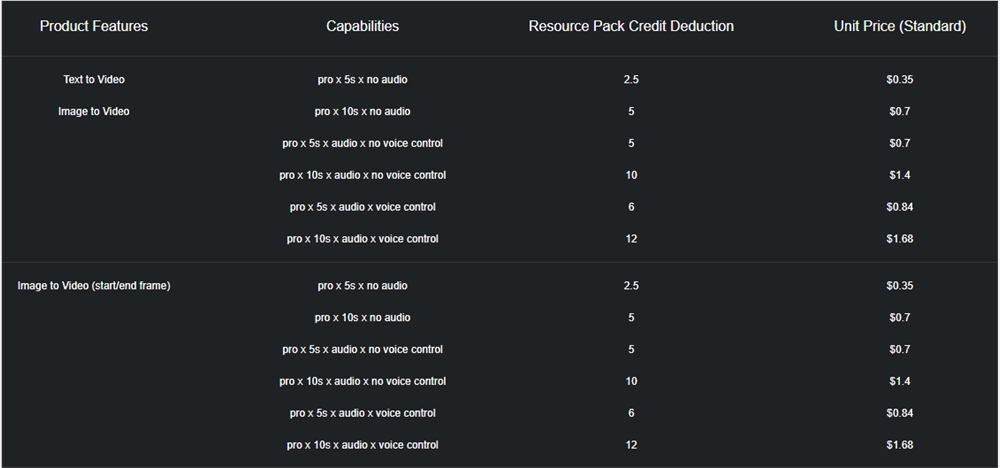
At $0.07-$0.14 per second of generated video, Kling offers professional results at hobbyist prices through platforms like Fal.ai and Media.io. This strategic pricing positions Kuaishou as serious competition against Western giants like OpenAI and Google.

The timing couldn't be better - December also saw Kuaishou launch Video O1, their "unified multimodal video model" capable of editing existing footage through text commands.

Key Points:

  • Voice cloning creates personalized audio experiences
  • Motion capture handles complex physical performances
  • Competitive pricing makes high-end production accessible
  • Kwai platform integration provides massive training data advantages
Enjoyed this article?

Subscribe to our newsletter for the latest AI news, product reviews, and project recommendations delivered to your inbox weekly.

Weekly digestFree foreverUnsubscribe anytime

Related Articles

News

Kuaishou's AI Video Model Claims Global Top Spot Amid Chinese Tech Surge

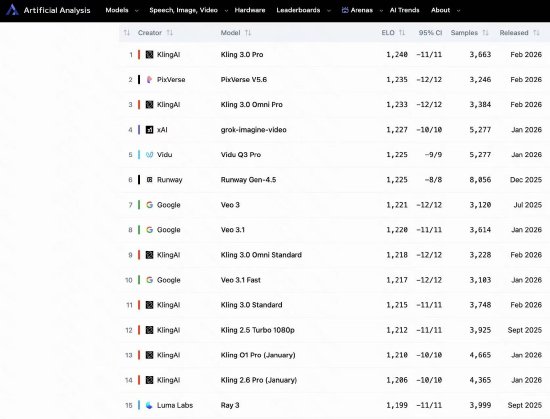
Kuaishou's Kling 3.0Pro has outperformed global competitors in video generation technology, scoring a remarkable 1240 points on benchmark tests. Seven Chinese models now rank among the world's top 15, signaling a major shift in cinematic AI capabilities that could transform film production costs and workflows.

February 27, 2026
AI video generationKuaishouChinese tech
Keling AI Dominates Video Generation Rankings With Record Score
News

Keling AI Dominates Video Generation Rankings With Record Score

Keling's latest AI video model has stunned the tech world by topping global benchmarks with an unprecedented 1240-point score. Seven models from the Chinese company made the top 15, signaling their dominance in realistic video generation. Experts say this breakthrough marks AI's transition from experimental tech to professional filmmaking tool.

February 26, 2026
AI video generationKeling3.0Progenerative AI
NPR Host Sues Google Over AI Voice That Sounds 'Eerily Like Me'
News

NPR Host Sues Google Over AI Voice That Sounds 'Eerily Like Me'

NPR veteran David Greene has filed a lawsuit against Google, claiming its NotebookLM AI tool uses a synthetic voice that mimics his distinctive vocal style. The radio host says friends and colleagues mistook the AI's speech patterns - including his signature 'ums' - for his own recordings. Google maintains the voice belongs to a professional actor. This legal battle highlights growing concerns about AI voice cloning in the entertainment industry, following similar disputes involving celebrity voices.

February 16, 2026
AI ethicsvoice cloningmedia law
ByteDance Unveils Seedance 2.0: A Game-Changer for AI Video Creation
News

ByteDance Unveils Seedance 2.0: A Game-Changer for AI Video Creation

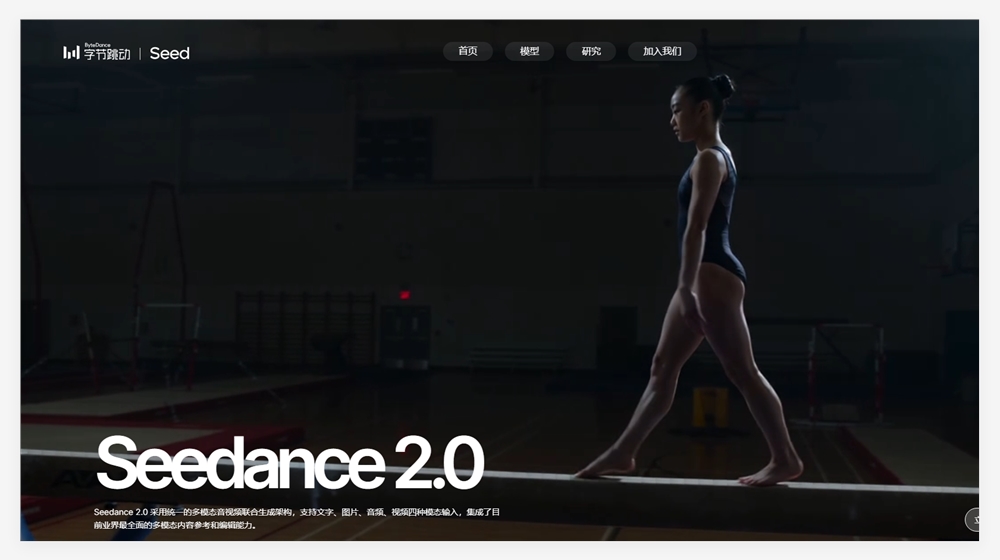
ByteDance's Seed team has launched Seedance 2.0, revolutionizing AI video generation with its unified multimodal architecture. This upgrade enables seamless audio-visual integration in just five seconds, offering unprecedented control for creators. From complex motion scenarios to immersive sound design, the technology promises to transform industrial-level video production.

February 12, 2026
AI video generationByteDancecreative technology
Kling AI 3.0 Unleashed: Bringing Cinematic Magic Within Reach
News

Kling AI 3.0 Unleashed: Bringing Cinematic Magic Within Reach

Kling AI's latest 3.0 version transforms video creation with smart storyboarding and extended clips up to 15 seconds. The update introduces film-grade lighting tech for stunning 4K images and simplifies multi-image style blending. Currently available for Black Gold members, these tools promise to democratize professional-quality storytelling.

February 5, 2026
AI video generationcreative toolsdigital storytelling
Kunlun Wanwei's Open-Source Video AI Takes Creativity to New Heights
News

Kunlun Wanwei's Open-Source Video AI Takes Creativity to New Heights

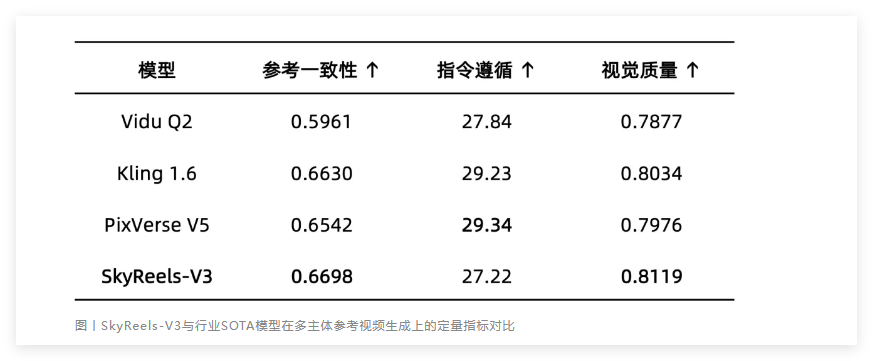
Chinese tech firm Kunlun Wanwei has unveiled SkyReels-V3, an open-source video generation model that's turning heads in the AI community. This versatile tool combines image-to-video conversion, cinematic-style extensions, and lifelike virtual avatars in one package. Early tests show it outperforms commercial rivals in visual quality and consistency. Best of all? It's free to use—for now.

January 29, 2026
AI video generationopen source AImultimodal models