Japan's AI Flagship Model Sparks Controversy Over Alleged Chinese Tech Borrowing

Rakuten's AI Model Controversy: Innovation or Imitation?

Japan's tech community is embroiled in debate after Rakuten Group unveiled what it billed as the country's most advanced homegrown AI system. The 70-billion-parameter model, developed under METI's GENIAC project, promised to showcase Japanese technological prowess. But within days, eagle-eyed open-source developers raised red flags about its origins.

The Smoking Gun

Buried in the model's architecture lay undeniable evidence: configuration files still referenced "DeepseekV3ForCausalLM" - a model created by a Chinese development team. Rather than building from scratch as claimed, Rakuten appeared to have simply retrained this existing framework with Japanese data.

"It's like repainting a Ferrari and calling it your own design," commented one GitHub user analyzing the code. The discovery sparked heated discussions about what truly constitutes "self-developed" technology in today's interconnected AI landscape.

Transparency Troubles

The controversy deepened when examining Rakuten's communications:

  • Selective Disclosure: Press materials vaguely referenced "open-source community integration" without acknowledging the Chinese model's foundational role
  • License Limbo: Initial releases allegedly omitted required MIT license documentation, only adding compliance notices after community outcry

Legal experts note that while fine-tuning existing models isn't prohibited per se, ethical norms demand clear attribution. "The issue isn't building on others' work - that's how science progresses," explains Tokyo-based IP attorney Kenji Watanabe. "It's about whether companies are transparent when they do so."

Industry Implications

The incident highlights growing tensions between:

  • Nationalistic tech ambitions
  • The inherently collaborative nature of AI research
  • Corporate pressures to demonstrate proprietary breakthroughs

As governments worldwide pour billions into domestic AI capabilities, this case may prompt tougher standards for what qualifies as "national" technology. Meanwhile, Rakuten has yet to address why Deepseek references remained or explain the initial license omissions.

Key Points:

  • Rakuten's "Japanese" AI model shows striking similarities to China's DeepseekV3
  • Configuration files and architecture suggest direct adaptation rather than original development
  • Disclosure practices and license handling raise transparency concerns
  • Incident reflects broader tensions in global AI development ecosystems
Enjoyed this article?

Subscribe to our newsletter for the latest AI news, product reviews, and project recommendations delivered to your inbox weekly.

Weekly digestFree foreverUnsubscribe anytime

Related Articles

News

Encyclopedia Britannica Takes OpenAI to Court Over AI Training Dispute

Encyclopedia Britannica has filed a lawsuit against OpenAI, accusing the tech company of illegally using nearly 100,000 copyrighted articles to train its ChatGPT model. The legal complaint alleges that ChatGPT's outputs often mirror Britannica's content 'almost word for word,' potentially diverting readers from the original source. This case marks another chapter in the ongoing tension between content creators and AI developers over copyright boundaries.

March 17, 2026
Copyright LawAI EthicsChatGPT
News

OpenAI Considers Adult Content Mode Amid Internal Debate

OpenAI CEO Sam Altman is pushing forward with plans for an 'adult mode' in ChatGPT, sparking intense internal debate. While promising to treat adult users 'as adults,' concerns persist about safety risks and ethical implications. The proposed feature would allow verified users access to romantic content, though disagreements within the company and regulatory hurdles may delay implementation.

March 17, 2026
OpenAIChatGPTAI Ethics
Tencent Defends Mirror Site Amid OpenClaw Data Scraping Controversy
News

Tencent Defends Mirror Site Amid OpenClaw Data Scraping Controversy

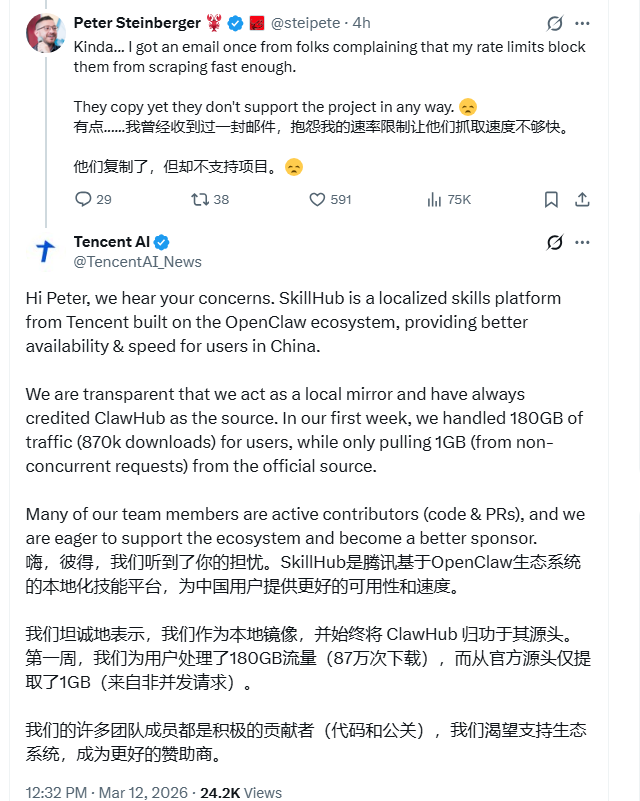
Tencent has responded to accusations from OpenClaw developer Peter Steinberger, who claims the tech giant scraped his platform's data without permission. While Tencent maintains its SkillHub mirror site actually reduced traffic pressure on the original by 99%, the dispute highlights ongoing tensions between open-source developers and corporate ecosystem expansion in the AI boom.

March 12, 2026
OpenClawTencentAI Ethics
News

ChatGPT's Adult Mode Hits Another Snag as OpenAI Shifts Focus

OpenAI has delayed its controversial 'Adult Mode' feature for ChatGPT yet again, prioritizing core AI improvements instead. While code hints suggest the feature hasn't been abandoned, the company is focusing first on enhancing intelligence and personalization. The postponement highlights the ongoing tension between user demands and ethical considerations in AI development.

March 9, 2026
OpenAIChatGPTAI Ethics
News

OpenAI Robotics Chief Quits Over Military AI Concerns

Caitlin Kalinowski, OpenAI's hardware and robotics lead, resigned abruptly this week citing ethical concerns about the company's military partnerships. The former Meta AR glasses developer warned about unchecked surveillance and autonomous weapons in social media posts. Her departure exposes growing tensions within OpenAI as it navigates defense contracts while trying to maintain ethical boundaries.

March 9, 2026
OpenAIAI EthicsMilitary Tech
Pentagon Blacklists AI Firm Anthropic in Unprecedented Move
News

Pentagon Blacklists AI Firm Anthropic in Unprecedented Move

The U.S. Department of Defense has stunned the tech world by labeling AI company Anthropic as a 'supply chain risk' - a designation previously reserved for foreign adversaries. The move comes after CEO Dario Amodei refused military requests to use Claude AI for mass surveillance or autonomous weapons. Meanwhile, rival OpenAI has embraced Pentagon partnerships, sparking protests from tech workers and raising urgent questions about AI ethics in warfare.

March 6, 2026
AI EthicsMilitary TechnologyArtificial Intelligence