iQIYI's AI Actor Library Divides Hollywood: Innovation or Threat?

iQIYI's Digital Actors Spark Industry Debate

China's leading streaming platform iQIYI has rolled out its groundbreaking AI Actor Library, allowing performers to create authorized digital replicas of themselves. Several A-list celebrities have already signed on, marking a significant step toward actor digitization in the entertainment industry.

How the Technology Works

The system creates photorealistic digital doubles of actors while maintaining strict control over image rights. iQIYI plans to deploy these virtual performers across multiple formats:

  • Short-form content production
  • Interactive storytelling experiences
  • Virtual live streaming events

"This isn't about replacing actors," claims an iQIYI spokesperson. "It's about giving productions tools to work more efficiently when physical presence isn't essential."

Industry Backlash Emerges

The initiative has met with mixed reactions:

Supporters argue:

  • Dramatically reduces production costs (some estimates suggest 40-60% savings)
  • Eliminates scheduling conflicts for busy actors
  • Enables creative possibilities impossible with human performers

Critics counter:

  • Threatens traditional acting jobs at all levels
  • Could dilute the emotional authenticity of performances
  • Raises ethical questions about consent and compensation for digital likenesses

Veteran casting director Li Wei expressed concern: "When we lose the human element, are we still making art or just manufacturing content?"

The Bigger Picture

iQIYI's move comes as generative AI reshapes entertainment globally. Other platforms are testing similar technologies, but none at this scale with established stars. The debate reflects broader questions about:

  • The value of human creativity in the AI era
  • Protecting artistic professions from automation
  • Finding balance between innovation and tradition

Key Points:

  1. Digital Doubles: iQIYI's library creates authorized AI versions of real actors
  2. Production Benefits: Potential for major cost and time savings in content creation
  3. Industry Concerns: Fears about job displacement and artistic integrity
  4. Global Trend: Part of wider entertainment industry adoption of generative AI
Enjoyed this article?

Subscribe to our newsletter for the latest AI news, product reviews, and project recommendations delivered to your inbox weekly.

Weekly digestFree foreverUnsubscribe anytime

Related Articles

News

iQIYI's Bold Move: AI-Powered Shift to Decentralized Content Creation

At the iQIYI World Conference, CEO Gong Yu unveiled plans to revolutionize content creation through AI-driven decentralization. The platform aims to empower creators by simplifying upload processes and offering direct monetization. As AI reshapes film production costs and timelines, iQIYI is betting big on a community-driven model where users and creators collaborate. The company seeks hybrid talents who blend AI expertise with creative vision to fuel this transformation.

April 20, 2026
streaming innovationAI in entertainmentcreator economy
Anthropic Gears Up for Major AI Launch: New Claude Model and Design Tools Expected
News

Anthropic Gears Up for Major AI Launch: New Claude Model and Design Tools Expected

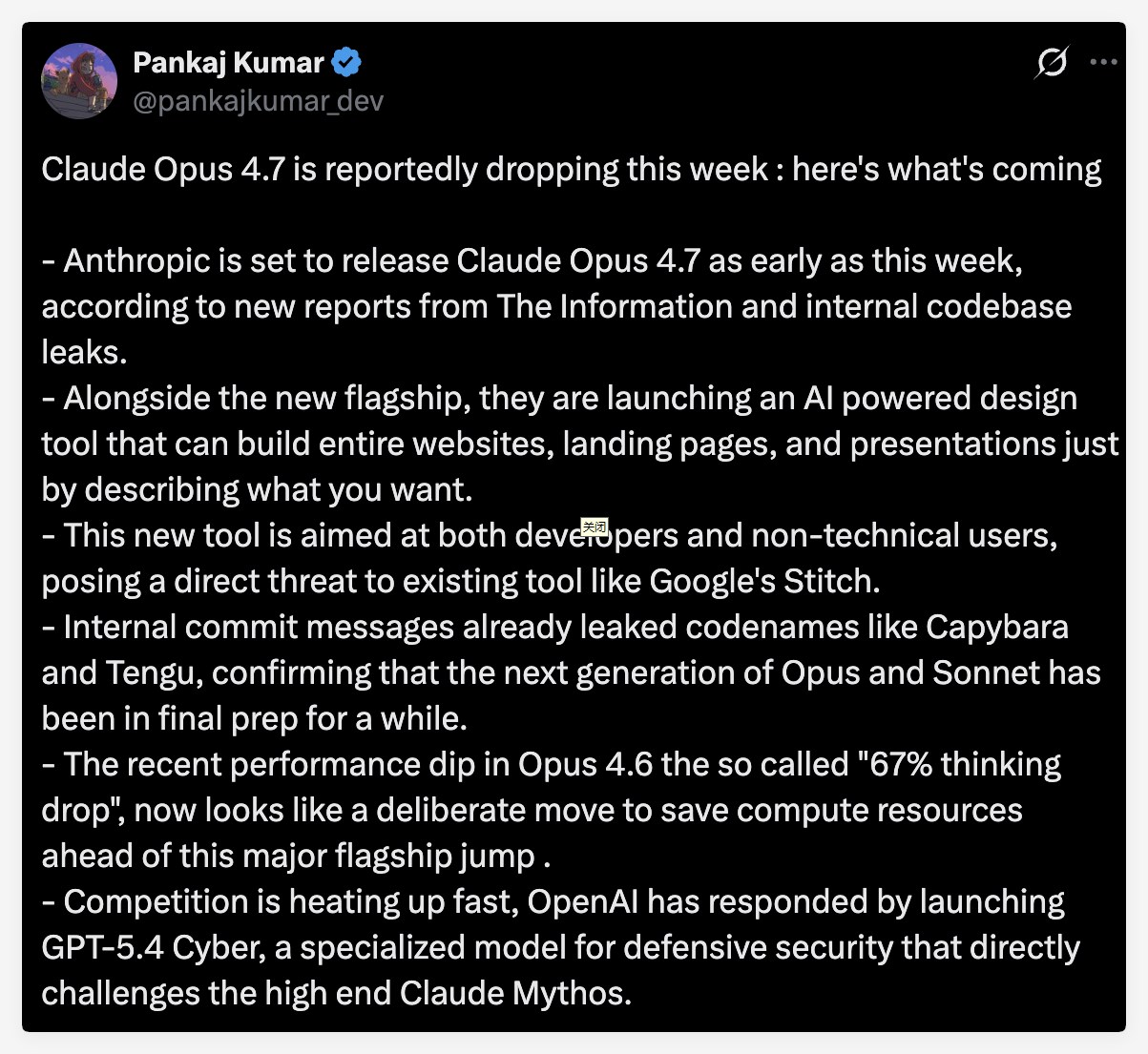
Anthropic appears poised to shake up the AI landscape again with rumors pointing to a dual release this week: an upgraded Claude Opus 4.7 model and groundbreaking AI design tools. The anticipated launch has already sent ripples through the market, with design software stocks taking a hit. While the new model promises incremental improvements, the real game-changer might be Anthropic's venture into AI-powered design - a move that could democratize creative tools while rattling established players.

April 16, 2026
AI developmentGenerative AITech industry
News

Hightouch Hits $100M Revenue Milestone with Brand-Smart AI Marketing Tools

Marketing tech startup Hightouch has reached $100 million in annual recurring revenue thanks to its innovative AI platform that helps brands create on-brand content without design teams. By connecting with companies' existing creative tools, their system learns brand identities to generate authentic-looking ads. Major clients like Domino's and Spotify now use the service, which added $70 million in revenue in under two years.

April 16, 2026
AI MarketingBrand IdentityGenerative AI
Beijing Greenlights 15 New AI Services in Latest Tech Push
News

Beijing Greenlights 15 New AI Services in Latest Tech Push

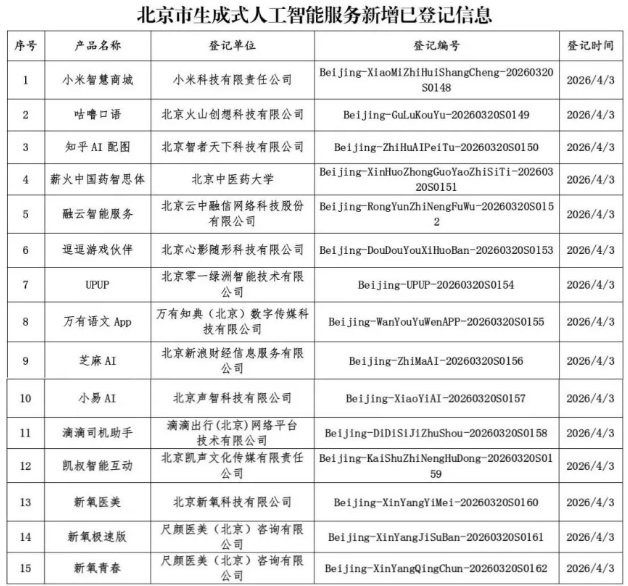
Beijing has approved 15 new generative AI services under its updated regulatory framework. The move signals China's continued commitment to AI development while implementing safeguards. Services must now display registration numbers and label AI-generated content clearly. This balancing act aims to foster innovation while protecting users in one of the world's most active AI markets.

April 3, 2026
AI RegulationGenerative AIChina Tech Policy
OpenAI pulls plug on ChatGPT adult mode and Sora video tool in strategic pivot
News

OpenAI pulls plug on ChatGPT adult mode and Sora video tool in strategic pivot

OpenAI has abruptly halted plans for a controversial 'adult mode' in ChatGPT and shut down its Sora video generation model. The moves come as part of a broader strategic shift away from consumer-facing projects toward enterprise solutions. Industry analysts suggest the company is responding to competitive pressure from Anthropic's growing foothold in business applications.

March 27, 2026
OpenAIChatGPTAI Ethics
News

Hao Lei's Stark Warning: AI Threatens to Replace Most Actors

Chinese actress Hao Lei has sparked intense debate by predicting AI could replace 90% of actors, citing the industry's over-reliance on mediocre performances. While acknowledging AI's advantages in standardized roles, she argues true artistry requires irreplaceable human experience. The comments have divided opinion, with some welcoming technological disruption and others fearing the loss of emotional authenticity in entertainment.

March 27, 2026
AI in entertainmentChinese film industryacting technology