Beijing Greenlights 15 New AI Services in Latest Tech Push
Beijing Expands AI Ecosystem with 15 New Approved Services
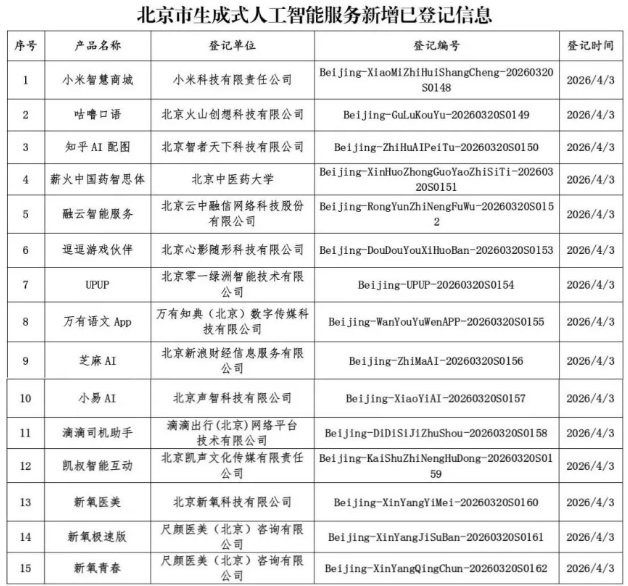
The Beijing Internet Information Office has taken a significant step in regulating the booming generative AI sector. Under new interim measures, the capital city has registered 15 additional AI services that can now operate legally within China's evolving tech landscape.
A Framework for Responsible Innovation
These approvals come with clear guidelines: all registered services must prominently display their launch numbers and comply with content identification rules. "We're seeing China establish guardrails for AI without stifling its potential," notes tech policy analyst Li Wei. "It's about finding that middle ground where innovation meets accountability."
The newly registered services span various applications, though officials haven't disclosed specific company names. What we do know is that any platform using API interfaces to access large language models must now go through this registration process.
Transparency Takes Center Stage
One notable requirement mandates that all AI-generated content carry clear identification markers. This transparency measure addresses growing concerns about synthetic media while allowing users to make informed decisions about the content they consume.
"The labeling system creates necessary visibility," explains digital rights advocate Zhang Mei. "When you know something was AI-generated, you engage with it differently - whether it's a news summary or creative writing."
What This Means for Users and Developers
For Beijing residents, these 15 new services translate to more options in an increasingly AI-driven digital environment. Developers gain clearer operating parameters, though some note the additional compliance steps required before launch.
The regulations appear designed to grow alongside the technology itself. As one government spokesperson put it: "We're building the plane while flying it - adapting our approach as we learn more about both the potential and pitfalls of generative AI."
Key Points:
- 15 new generative AI services approved in Beijing under updated regulations
- Mandatory labeling required for all AI-generated content
- Registration numbers must be displayed by compliant services
- Balanced approach seeks to encourage innovation while protecting users