Huawei's AI Glasses: A Clear Vision of Smart Wearables' Future
Huawei Bets Big on AI-Powered Smart Glasses
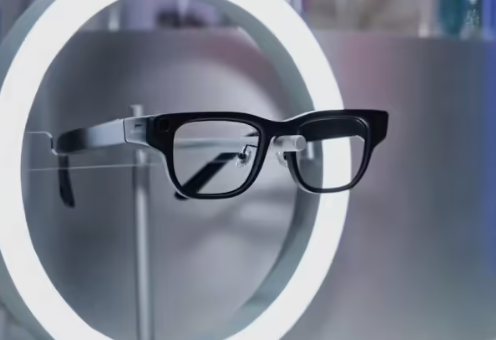
Tech giant Huawei is gearing up to launch its most ambitious smart glasses yet in the first half of 2026. These aren't your average audio-enabled frames - they represent Huawei's vision for what everyday wearable tech should be.
More Than Meets the Eye
The new glasses combine high-definition photography with advanced audio capabilities, all powered by HarmonyOS. What makes them stand out? They're designed to work seamlessly with your other devices - pulling computing power from your phone or laptop when needed.
"We're moving beyond just 'smart hearing' to create a complete sensory experience," explains a Huawei product manager familiar with the development. "Visual input, audio output, and intuitive interaction - that's the trifecta we're achieving."
Power Where You Need It
Despite their lightweight design (a hallmark of Huawei's wearables), these glasses house three high-density lithium batteries. This addresses one of consumers' biggest concerns about smart glasses - battery life anxiety.
Users can:
- Snap photos hands-free
- Take calls without reaching for their phone
- Access music instantly
- Get real-time translations displayed right before their eyes
The translation feature might be the game-changer. Imagine attending an international conference where foreign speeches automatically convert to subtitles in your native language - no awkward pauses waiting for interpretation.
From Fashion Accessory to Essential Tech
This isn't Huawei's first rodeo with smart eyewear. Their 2021 collaboration with Gentle Monster focused on fashion-forward audio glasses. The new model represents a strategic shift toward positioning glasses as primary computing devices.
The market appears ready for this transition. IDC projects China's smart glasses shipments will nearly double this year, while HSBC forecasts explosive global growth - from 15 million users today to potentially 289 million by decade's end.
Avoiding the AR Headset Trap
While competitors like Apple and Meta chase bulky AR headsets or metaverse dreams, Huawei is taking a different path:
- Lightweight designs that don't scream "tech geek"
- Practical features solving real-world problems
- AI integration that feels natural rather than intrusive
The goal? Creating devices people actually want to wear all day, not just when trying out new tech.
As edge computing improves, these glasses could evolve into true mobile assistants - understanding speech, recognizing objects, and remembering important moments without obstructing your view of the real world.
The implications are profound: we might be looking at the early stages of technology that blends so seamlessly into our lives we forget it's there - until we need it.
Key Points:
- Launch expected mid-2026 with HarmonyOS integration
- Combines HD photography with advanced audio capabilities
- Triple battery system addresses power concerns
- Real-time translation could revolutionize communication
- Market poised for significant smart glasses adoption
- Represents shift from phones/watches to eyewear as primary interface