How Young Entrepreneurs Are Selling Custom AI Apps for Less Than a Coffee
The Rise of the Pocket-Sized AI Entrepreneur
Imagine getting a custom-built AI application for less than you'd pay for a bubble tea. This isn't science fiction - it's the new reality on Chinese e-commerce platforms, where a growing community of young entrepreneurs are democratizing app development.
From Consumers to Creators
On platforms like Xianyu and Xiaohongshu, what started as casual tech tinkering has blossomed into full-fledged microbusinesses. "I used to spend hours manually tracking my baby's milestones," shares one seller who now offers a 'Growth Footprint' app for 19.9 yuan. "Now I help other parents do it automatically - and make some extra cash."
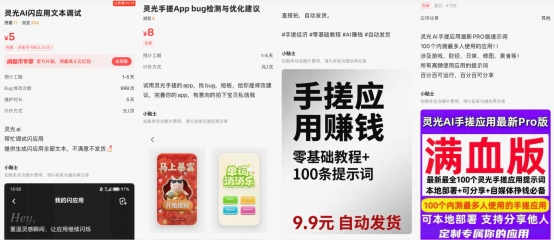
The price list reads like a café menu: 5 yuan for bug fixes, 8 yuan for optimization tips, and complete custom apps starting under 20 yuan. Some top sellers move nearly a thousand units monthly of niche products like pet expense calculators or Turkish road sign translators.
No Coding? No Problem
"The magic happens when you stop thinking like a programmer and start thinking like a problem-solver," explains a Xianyu seller whose 'Homework Checker' app became unexpectedly popular. Many successful sellers have no formal tech background - just firsthand experience with specific pain points and patience to experiment with AI tools.
The secret sauce? Mastering 'prompt engineering' - the art of crafting instructions that tell AI exactly what kind of app to build. A well-phased prompt can transform vague ideas into functional prototypes in minutes, bypassing months of traditional development work.
The Education Economy
Beyond selling apps themselves, there's booming demand for teaching materials. Bestsellers include:
- "Lingguang App Creation from Zero" (9.9 yuan)
- "100 Universal Prompt Formulas" (6.8 yuan)
- "Seven Profitable AI Niches" guides
These tutorials often spark chain reactions - buyers frequently return as sellers after mastering the basics. The low barrier to entry creates constant churn of new ideas in this crowdsourced innovation ecosystem.
Growing Pains
The gold rush isn't without challenges:
- Quality control varies wildly between sellers
- Some tutorials overpromise results
- Market saturation in popular categories
Yet industry watchers see this as natural growing pains. "We're witnessing the maker movement meet the gig economy," notes tech analyst Li Wei. "AI hasn't just changed who can build apps - it's changed why people build them."
Key Points
- Democratized Development: AI tools enable non-coders to create functional applications
- Micro-Monetization: Niche solutions command premium prices despite low absolute costs
- Two-Sided Market: Both finished apps and creation knowledge have commercial value
- Organic Ecosystem: Users frequently transition between learner and creator roles