Hangzhou Startup Unveils Affordable AI Glasses for the Visually Impaired
Revolutionary AI Glasses Bring Independence to Visually Impaired
In a breakthrough for assistive technology, Hangzhou Tongxing Technology has launched China's first AI-powered smart glasses specifically designed for blind and visually impaired users. What makes these glasses particularly remarkable isn't just their technological sophistication - it's their accessibility.
Seeing Through Sound
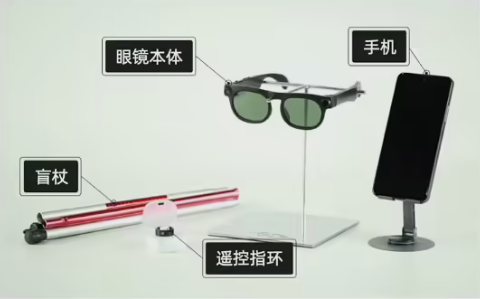
The system combines stylish eyewear with a smartphone app, remote control ring, and optional cane to create a comprehensive navigation aid. At its heart are dual 121-degree ultra-wide-angle cameras that capture the wearer's surroundings in stunning detail.
"Imagine walking down the street and hearing immediate audio descriptions of everything around you," explains Chen Gang, Tongxing's technical director. "Our glasses can identify bus signs, read street names aloud, and even give you a quick summary of your immediate environment - all within 300 milliseconds."
Affordable Innovation
The secret sauce? Alibaba's powerful Qwen large language model. By leveraging this existing AI technology rather than building from scratch, Tongxing slashed development costs by an impressive 70%. This cost savings translates directly to consumers - the complete system will retail for less than 3,000 yuan when it hits shelves in early 2026.
Beyond basic navigation, the glasses offer several quality-of-life features:
- Store identification helps users locate businesses independently
- Text recognition reads price tags and other essential information
- Environmental awareness provides safety alerts about obstacles or hazards
A New Era of Mobility
The timing couldn't be better. As China continues improving accessibility infrastructure nationwide, these affordable AI glasses could become standard equipment for millions. Industry analysts predict widespread adoption once prices dip below the "thousand-yuan threshold" - making them accessible through government rehabilitation programs.
For China's visually impaired community, this represents more than just technological progress - it's about reclaiming independence in daily life. Simple activities like commuting to work or shopping alone suddenly become achievable goals rather than daunting challenges.
The implications extend beyond individual users. Employers may find new opportunities to integrate visually impaired workers into more roles as mobility barriers decrease. Urban planners might reconsider accessibility designs as assistive technology fills certain gaps.
Key Points:
- First-of-its-kind AI-powered navigation glasses designed specifically for blind users in China
- 300ms response time provides near-instant audio descriptions of surroundings
- Under ¥3,000 price point makes advanced assistive tech surprisingly affordable
- Expected launch Q1 2026, with potential government subsidy programs
- Could revolutionize independence for China's estimated 17 million visually impaired citizens