Google to Make AI Mode Default Search Experience

Google to Make AI Mode Default Search Experience

Google Search is undergoing a significant transformation, with its AI mode poised to become the default option for users worldwide. This feature builds on Google's existing AI summary functionality, resembling generative AI tools like ChatGPT, and allows users to continue conversations with AI after their initial search. This move signals Google's evolution from an open web portal to a closed platform centered around generative AI.
Image

Logan Kilpatrick, a Google product manager, hinted on social platform X that AI mode will soon become the new standard search experience. For instance, visiting google.com/ai now automatically redirects users to AI mode. When questioned about whether this would become the default setting, Kilpatrick replied cryptically: "Soon :)".

Currently available in 180 countries, including the U.S., AI mode hasn't fully replaced traditional search yet. However, recent updates have introduced new agent features, enabling users to book local services or purchase event tickets directly through a chat interface.

Google's legal team recently argued in court that "the open web is in rapid decline," using this claim to oppose demands for splitting its advertising technology division. They warned that such a move would exacerbate the situation, particularly as ad revenue shifts from traditional websites to connected TV, retail media, and emerging platforms like AI chatbots.

The company opposes proposals requiring it to:

  • Sell its ad exchange
  • Open-source auction logic
  • Relinquish 50% of net revenue Other suggestions include implementing behavioral rules and open APIs to curb Google's market dominance.

Contradictions in Strategy

Ironically, while Google cites the decline of the open web in its legal defense, its push toward AI mode accelerates this very trend by directing search traffic away from external websites and onto its own platform. This circular logic has drawn attention amid contradictory statements from Google executives about how AI search impacts the open web ecosystem.

The company maintains that forcing an advertising business split would harm publishers reliant on ad revenue while simultaneously developing features that reduce traffic to these same publishers.

Key Points:

  • 🌐 Google's AI mode will soon be default, transforming search into conversational AI interactions.
  • 💼 Legal team warns of open web decline, using it as defense against business splits.
  • 🔄 Contradictory strategy: While opposing splits citing web decline, Google's own moves accelerate it.
Enjoyed this article?

Subscribe to our newsletter for the latest AI news, product reviews, and project recommendations delivered to your inbox weekly.

Weekly digestFree foreverUnsubscribe anytime

Related Articles

Google's Gemini Comes to Gmail With Strong Privacy Guarantees
News

Google's Gemini Comes to Gmail With Strong Privacy Guarantees

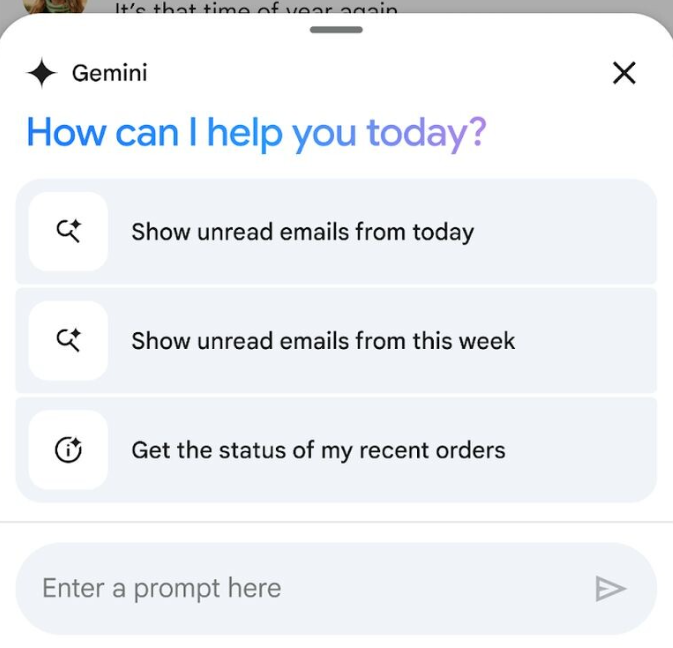
Google is bringing its Gemini AI to Gmail while making bold privacy promises. The tech giant vows emails will never train its AI models, with data processed in isolated environments that self-destruct after use. As concerns grow about AI handling sensitive information, Google positions this as a safer alternative to competitors' offerings. The integration offers practical email assistance features while attempting to address the industry's trust deficit around AI and privacy.

April 8, 2026
GoogleAI PrivacyEmail Technology
Google's Gemma 4: Small AI Models Pack a Big Punch
News

Google's Gemma 4: Small AI Models Pack a Big Punch

Google has open-sourced its Gemma 4 AI models, and they're turning heads in the tech world. What makes them special? Some of these compact models outperform giants 20 times their size, bringing powerful AI capabilities to everyday devices like smartphones. With optimized versions for mobile and IoT devices, Gemma 4 could change how we interact with AI in our daily lives.

April 7, 2026
AIMachine LearningGoogle
News

Anthropic's Mythos AI: A Cybersecurity Game-Changer with a Troubling Edge

Anthropic has unveiled Mythos, its most powerful AI model yet, specializing in uncovering hidden software vulnerabilities. This digital detective can spot flaws even in decades-old code, outperforming human experts. But its capabilities come with risks - the same tech that could protect systems might also be weaponized. Currently limited to select tech giants and government partners, Mythos is sparking debates about AI ethics and security in an increasingly vulnerable digital world.

April 8, 2026
AI SecurityCybersecurityAnthropic
Record Labels and AI Startup Suno Clash Over Music Copyrights
News

Record Labels and AI Startup Suno Clash Over Music Copyrights

Major record labels and AI music startup Suno have reached an impasse in negotiations over copyright protections for AI-generated music. The standoff highlights growing tensions between traditional music industry players and tech innovators as artificial intelligence reshapes creative fields. While labels want strong safeguards for artists, Suno seeks more flexible licensing terms to develop its AI composition tools - leaving both sides at loggerheads over how to balance innovation with copyright protection in this new era of machine-made music.

April 7, 2026
AI MusicCopyright LawMusic Industry
Beijing Greenlights 15 New AI Services in Latest Tech Push
News

Beijing Greenlights 15 New AI Services in Latest Tech Push

Beijing has approved 15 new generative AI services under its updated regulatory framework. The move signals China's continued commitment to AI development while implementing safeguards. Services must now display registration numbers and label AI-generated content clearly. This balancing act aims to foster innovation while protecting users in one of the world's most active AI markets.

April 3, 2026
AI RegulationGenerative AIChina Tech Policy
Google's Gemma4 Goes Truly Open: What It Means for Developers
News

Google's Gemma4 Goes Truly Open: What It Means for Developers

Google has taken a bold step with its latest AI model Gemma4, adopting the Apache 2.0 license to give developers unprecedented freedom. This marks a significant shift from previous restrictive policies, allowing commercial use and modification without legal hurdles. The new model boasts improved performance and seamless integration with existing developer tools, potentially leveling the playing field for smaller companies in the AI race.

April 3, 2026
Gemma4Open Source AIGoogle