Google's XR Event: Smart Glasses and Spatial Computing Take Center Stage
Google Bets Big on XR with Upcoming Hardware and Software Reveals
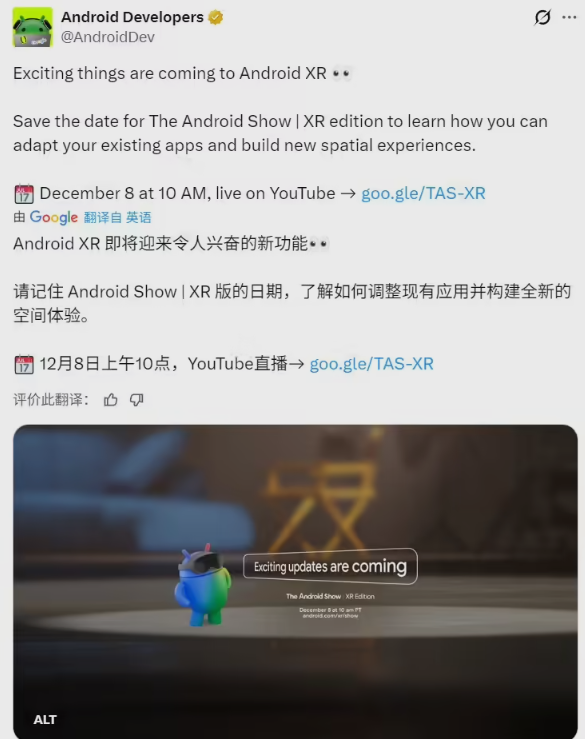
Mark your calendars for December 8 at 10 AM PT (December 9 at 2 AM Beijing Time) when Google takes to YouTube for "The Android Show: XR Edition." This highly anticipated event promises to reveal Google's most comprehensive vision yet for extended reality - from smart glasses to full-fledged headsets.
What to Expect from the 30-Minute Showcase
Smarter Software Foundations
Google isn't just polishing its XR platform - it's rebuilding the foundations. Expect significant speed boosts and smoother multi-device coordination that could finally make Android-powered XR feel truly responsive. The real game-changer? Deep Gemini integration that enables:
- Natural, context-aware conversations that mimic human interaction
- Real-time translation breaking language barriers
- Environmental understanding that makes devices anticipate your needs
The company claims these improvements will dramatically lower the barrier for hardware manufacturers looking to adopt Android XR.
Hardware That Bridges Digital and Physical Worlds
The spotlight will shine on two key devices:
- Samsung Galaxy XR Headset: Already earning praise since its October debut, this powerhouse (Snapdragon XR2+ Gen2 chip, 16GB RAM) will demonstrate new interaction scenarios that push boundaries.
- Prototype Smart Glasses: Developed with fashion eyewear brands, these sleek glasses ditch screens entirely for audio-only interaction. With photochromic lenses and single-side cameras, they're designed for all-day comfort while keeping you connected.
Developer Tools That Democratize Spatial Computing
Google understands that ecosystem success hinges on developer adoption. That's why they're rolling out:
- Comprehensive documentation immediately after the event
- New Gemini Runtime integration in the Android XR SDK
- One-click spatial computing interfaces via Jetpack XR The ambitious goal? Connecting over 100 million Android devices - phones, tablets, car screens - into a unified spatial computing network by early 2026.
Why This Matters Now More Than Ever
The timing couldn't be more critical. After several false starts in augmented and virtual reality, Google appears determined to reclaim leadership in what many see as computing's next frontier. With Apple pushing forward with Vision Pro and Meta continuing its VR investments, this event represents Google's best chance yet to prove it hasn't been left behind.
The big question isn't just about specs or features - it's whether Google can finally deliver an XR experience compelling enough for mainstream adoption.
Key Points:
- Major Android XR platform updates coming December 8/9
- Gemini AI integration promises more natural interactions
- Samsung headset demo and prototype smart glasses debut
- Expanded developer tools aim to grow ecosystem rapidly
- Goal: Connect 100M+ Android devices by Q1 2026