Google's Magika 1.0: A Rust-Powered Leap in File Detection

Google Takes File Detection to New Heights with Magika 1.0

In a significant move for developers and security professionals alike, Google has launched Magika 1.0, the stable release of its AI-based file type detection system. What makes this version special? A complete architectural overhaul built on Rust, bringing both speed and safety to the forefront of file identification.
Image

Performance That Speaks Volumes

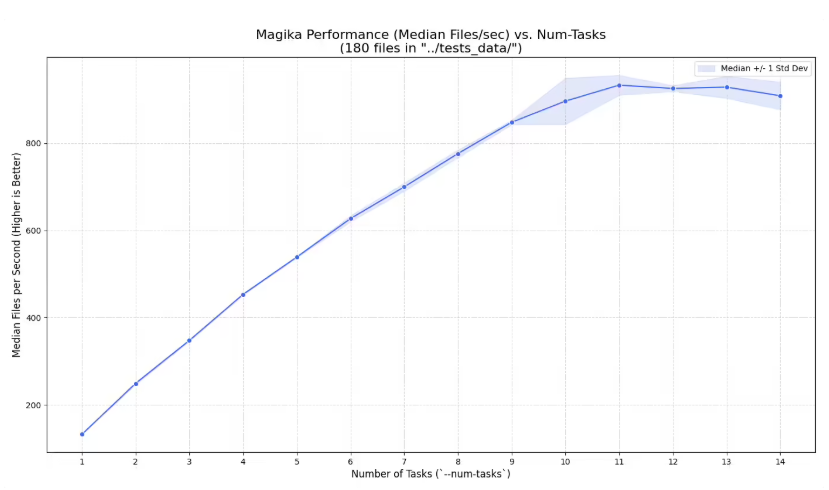
The numbers tell an impressive story: Magika can now identify hundreds of files per second on just a single processor core. Scale that up to multi-core systems, and we're talking thousands of files processed every second. This speed comes courtesy of two key technologies working behind the scenes - ONNX Runtime handling model inference and the Tokio framework managing asynchronous processing.

Expanded Format Support

File format recognition has nearly doubled since Magika's initial release, now covering over 200 different types. The update brings specialized support for:

  • Data science formats like Jupyter Notebooks and PyTorch files
  • Modern programming languages including Swift and TypeScript
  • DevOps essentials and database files such as SQLite
  • Design files including AutoCAD formats

The system has also gotten smarter at telling similar files apart - distinguishing between C and C++ code or JavaScript versus TypeScript with greater accuracy than ever before.

Under the Hood: Training Challenges Solved

Building this capability wasn't without hurdles. Google's engineers faced two major obstacles: the sheer volume of training data needed and the scarcity of samples for certain file types. Their solution? A custom dataset library called SedPack combined with synthetic training data generated by Gemini, Google's own generative AI tool.

"We needed our model to understand not just common files but obscure formats too," explains a Google spokesperson. "The combination of real-world data and high-quality synthetic samples gave us that edge."

Developer-Friendly Improvements

The update isn't just about raw power - Google has made Magika more accessible too:

  • Updated Python and TypeScript modules simplify integration
  • Installation requires just a few simple commands across operating systems
  • The company actively encourages community contributions to keep improving the tool

With over a million downloads per month since its open-source release last year, Magika's popularity shows no signs of slowing down. This latest version positions it as an even more essential tool for developers working with diverse file types.

Key Points at a Glance

  • Rust foundation delivers both speed and memory safety improvements
  • 200+ supported formats including specialized data science and programming files
  • Simplified integration through updated language modules
  • Community-driven development with open-source participation encouraged
Enjoyed this article?

Subscribe to our newsletter for the latest AI news, product reviews, and project recommendations delivered to your inbox weekly.

Weekly digestFree foreverUnsubscribe anytime

Related Articles

Google's Upcoming Smart Glasses Pack Surprising Features
News

Google's Upcoming Smart Glasses Pack Surprising Features

A leaked Google companion app reveals intriguing details about upcoming Android XR glasses. The device will support crisp 3K video recording and smart conversation detection powered by Gemini AI - all while keeping your data private with on-device processing. As Google quietly prepares to challenge Meta's Ray-Bans, these glasses might just become your next favorite wearable.

January 13, 2026
GoogleSmartGlassesAndroidXR
Mugen3D Turns Single Photos Into Stunning 3D Worlds
News

Mugen3D Turns Single Photos Into Stunning 3D Worlds

A groundbreaking AI tool called Mugen3D is transforming how we create 3D content. Using advanced 3D Gaussian Splatting technology, it can generate remarkably realistic models from just one image - capturing textures, lighting, and materials with astonishing accuracy. This innovation promises to democratize 3D creation across industries from gaming to e-commerce.

January 12, 2026
AIComputerGraphicsDigitalCreation
Gmail Gets Smarter: Google's Gemini AI Transforms Email Search
News

Gmail Gets Smarter: Google's Gemini AI Transforms Email Search

Google has supercharged Gmail with its Gemini3 AI, bringing natural language search to your inbox. Now you can ask questions like 'What was the plumber's quote?' and get instant answers. The update also includes free writing assistance, smarter replies, and an upcoming 'AI Inbox' that prioritizes important messages while respecting your privacy.

January 9, 2026
GoogleGmailGeminiAI
News

Qualcomm and Google Join Forces to Revolutionize Car Tech with AI

Qualcomm and Google are teaming up to tackle one of the automotive industry's biggest headaches: fragmented in-car systems. Their new 'Automotive AI Agent' combines Qualcomm's Snapdragon Digital Chassis with Google's Android Automotive OS, promising smoother development and smarter features like facial recognition. The partnership also introduces cloud-based development tools that could cut R&D time significantly. This collaboration marks a major step toward more unified, intelligent vehicle systems.

January 9, 2026
automotive-techAIsmart-cars
News

xAI's Grok Build Promises to Revolutionize Coding Experience

xAI is quietly developing Grok Build, a new programming tool designed to make coding more intuitive through natural language interaction. Early glimpses reveal a clean interface with prompt-based coding capabilities, signaling xAI's push into AI-assisted development tools. While details remain scarce, Elon Musk hints at upcoming major updates that could fundamentally change how programmers work.

January 9, 2026
xAIProgrammingToolsArtificialIntelligence
News

Bosch Bets Big on AI with €2.5 Billion Push Into Smart Cars

At CES 2026, automotive giant Bosch unveiled plans to invest over €2.5 billion in AI development by 2027, targeting smarter cockpits and safer autonomous driving systems. The German supplier aims to transform from hardware specialist to software leader, projecting its tech division could hit €10 billion in sales by the mid-2030s.

January 7, 2026
BoschAIautonomous vehicles