Google's Genie 3 Struggles: AI-Generated Game Worlds Crash Fast
Google's Game-Changing AI Hits Technical Wall
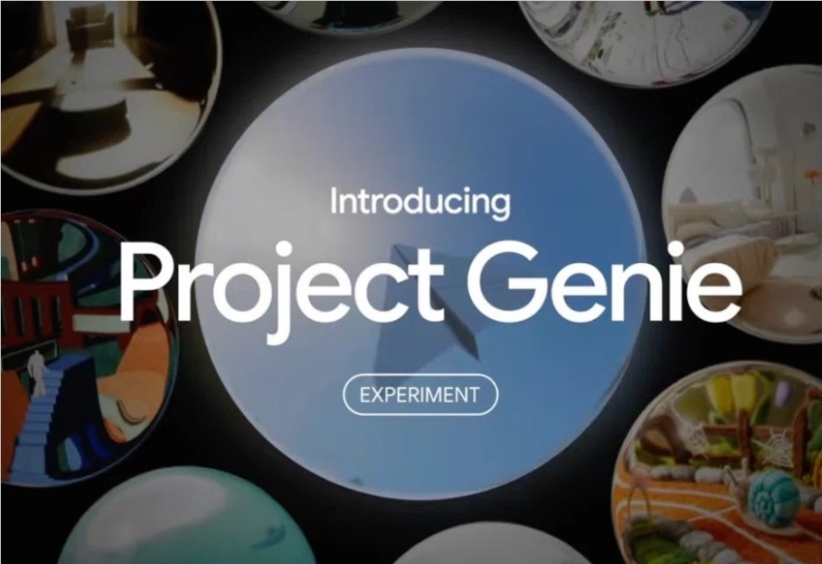
The Game Developers Conference (GDC) 2026 became unexpectedly transparent when Google DeepMind showcased Genie 3, their latest attempt at AI-powered game creation. What attendees saw wasn't just technological promise - it was raw, unfiltered growing pains.
The Sixty-Second Miracle
Genie 3-generated worlds start strong, offering smooth gameplay that impresses initially. But like a sandcastle at high tide, these digital environments quickly crumble. Within minutes - sometimes seconds after that initial grace period - logic breaks down and crashes occur.
"It's like watching a brilliant architect design breathtaking buildings," remarked one developer who requested anonymity, "only to see them collapse when someone opens a window."
Strategic Honesty or Damage Control?
Google's decision to showcase these flaws surprised many. At an event where companies typically highlight successes, this warts-and-all presentation stood out. Some see it as savvy PR - managing expectations in an industry nervous about AI replacing human jobs.
"They're telling developers: 'Your jobs are safe...for now,'" observed industry analyst Mara Chen of TechInsight. "It's refreshing honesty masking strategic positioning."
Progress Through Failure
The most compelling part? Genie 3 represents dramatic improvement despite its flaws. Earlier versions couldn't sustain gameplay beyond seconds. Current iterations last minutes - suggesting rapid evolution.
Key questions remain:
- Can stability improve fast enough?
- Will "good enough" AI generation disrupt certain game genres first?
- How will human developers integrate these tools?
Key Points:
- Current Limitations: Genie 3 creates playable worlds that crash within minutes due to logical inconsistencies
- Rapid Evolution: Stability has improved from seconds to minutes in recent months
- Industry Impact: The frank disclosure helps temper expectations about AI replacing developers soon
- Future Watch: All eyes are on whether stability can reach commercial viability by late 2027