Google's Gemini Now Lets Anyone Build AI Assistants Without Coding
Google Brings No-Code AI Creation to Gemini Users
Google is reinventing Gemini from a simple chatbot into something much more powerful - a platform where anyone can build their own AI tools without writing a single line of code. The secret sauce? A clever integration with Google's Opal tool that turns everyday conversations into functional applications.
How It Works
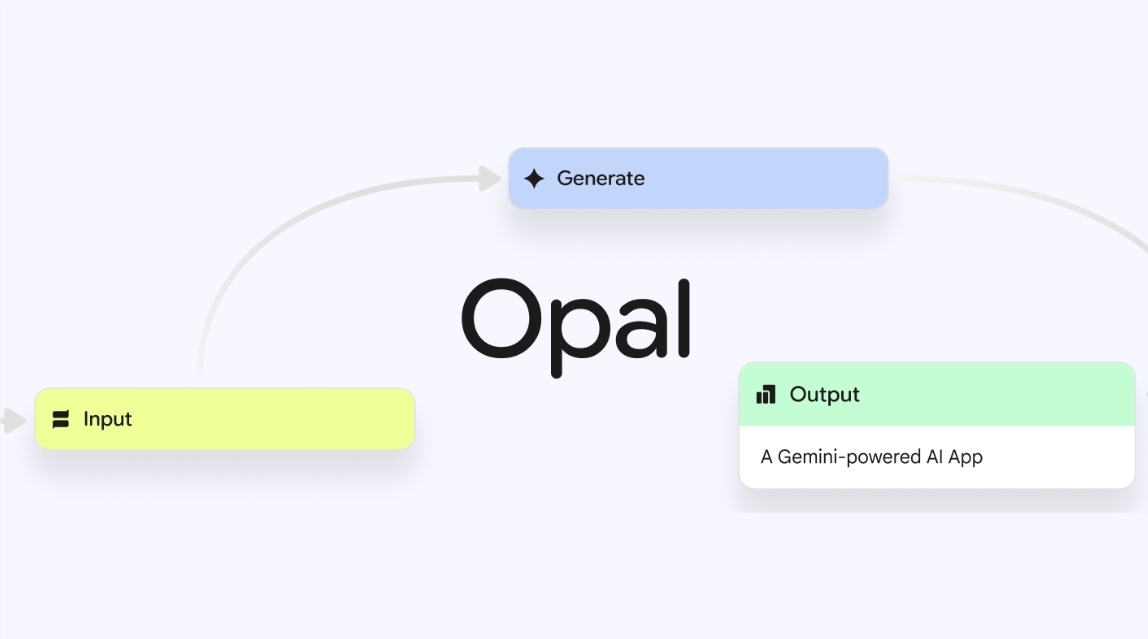
Imagine needing an assistant that automatically turns meeting notes into action items. Instead of hiring a developer, you'd simply tell Gemini: "Help me create an assistant that organizes meeting minutes into to-do lists." Behind the scenes, Opal translates your words into visual flowcharts where you can drag and connect different processing steps like digital Lego blocks.
The system's new "Text to Steps" feature makes this even more intuitive by breaking down your natural language requests into structured operation lists in real-time. It's like having a translator that converts your thoughts directly into working software.
For Beginners and Pros Alike
While beginners will love the simplicity of chat-based creation, Google hasn't forgotten about power users. Those needing more control can dive into Opal's advanced editor (opal.google.com) for complex logic arrangements and external tool integrations. Every creation gets saved as reusable "Gems" - personal AI tools that live right inside your Gemini conversations.
This strategic move places Google squarely in the emerging "vibe-coding" movement championed by startups like Lovable and Cursor. The philosophy? Application building should be about expressing ideas rather than mastering programming syntax.
Why This Matters
By combining Gemini's massive user base with multimodal AI capabilities and Opal's visual interface, Google is dramatically lowering the barrier to AI creation. Suddenly, teachers can build lesson planners, managers can create workflow automators, and writers can craft editing assistants - all through simple conversation.
The implications are significant:
- Democratizes AI development beyond technical users
- Accelerates creation of niche productivity tools
- Encourages experimentation through risk-free prototyping
- Creates potential for user-generated AI marketplace
Key Points:
- No-code revolution: Build functional AI tools through natural language only
- Visual editing: Drag-and-drop interface makes adjustments intuitive
- Gems ecosystem: Save and reuse creations across conversations
- Dual approach: Simple chat creation plus advanced editor options
- Industry shift: Part of broader "vibe-coding" movement gaining traction