Google Maps Gets a Brain Upgrade: Now It Understands Your Oddest Requests
Google Maps Just Learned to Speak Human
Remember when asking your GPS for anything beyond basic directions felt like talking to a brick wall? Those days are over. Google has injected its Maps service with a heavy dose of Gemini AI, transforming it from a rigid navigation tool into what feels more like chatting with a knowledgeable local.
No Request Too Weird
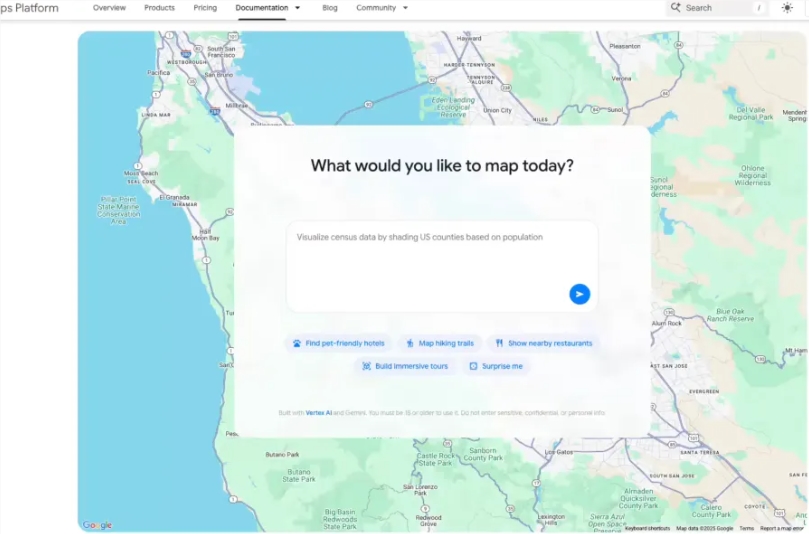
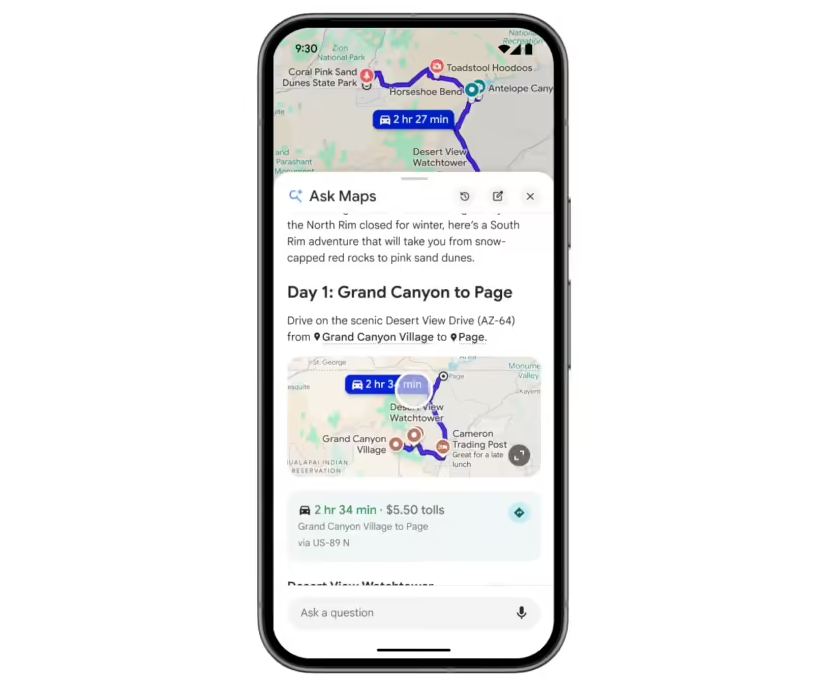
The new "Ask Maps" feature handles queries that would have previously earned you blank digital stares. Need to charge your phone without buying coffee? Hunting for that elusive clean public bathroom? These are exactly the kind of oddly specific real-world problems the upgraded service now solves effortlessly.
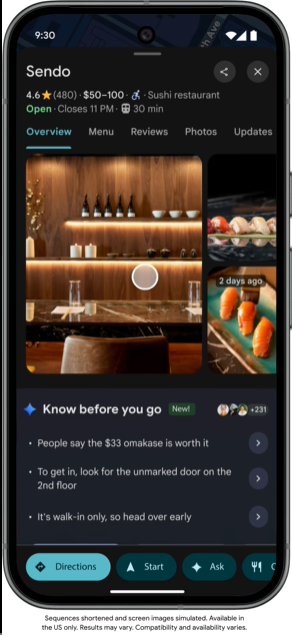
At the launch demo, Google showed off just how nuanced the understanding has become. When asked to "find a restaurant between my office and friend's house with warm atmosphere, vegetarian options, and seating for four at 7 PM," Ask Maps didn't flinch. It scanned reviews and photos to recommend spots while warning which ones tend to get noisy - complete with one-tap reservation options.
Seeing Is Believing
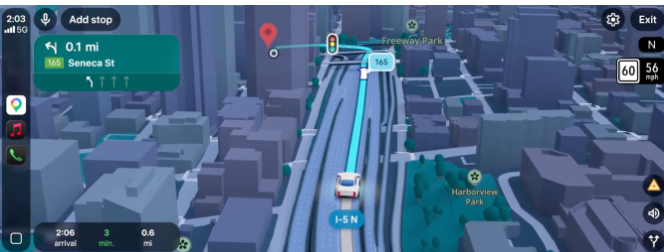
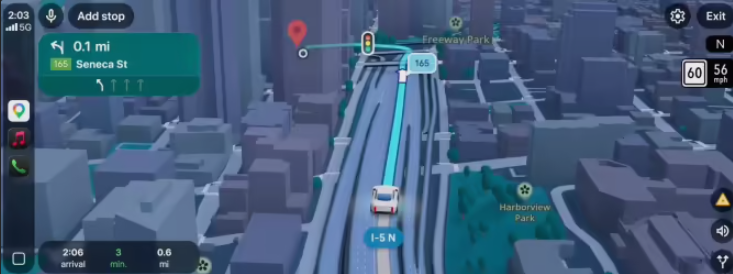
The brains aren't the only upgrade. Google calls the new "Immersive Navigation" its biggest visual overhaul in a decade. Suddenly those flat maps spring to life with detailed 3D buildings, realistic vegetation, and even textured overpasses. At complicated intersections, crosswalks and traffic lights pop into clear view - potentially saving drivers from last-minute lane-change panic.
Your New Travel Companion
What makes this different from previous updates? The AI doesn't just process data - it understands context and nuance like a human would. That restaurant search isn't just matching keywords; it's interpreting what "warm atmosphere" means based on countless user reviews and photos.
The implications go beyond convenience. For travelers in unfamiliar cities or people with specific accessibility needs, this could transform how we interact with our surroundings. No more guessing games about whether that "accessible" entrance really is, or whether the "quiet café" actually lives up to its reputation.
Key Points:
- Natural language understanding: Ask Maps handles complex, conversational requests
- Real-world problem solving: Finds solutions for situations standard searches can't parse
- Visual upgrade: Immersive Navigation adds unprecedented detail to maps
- Context-aware recommendations: Understands subjective terms like "cozy" or "lively"
- One-tap actions: From finding to booking in seconds