Google Goes All In: Gemma 4 AI Models Now Free for Commercial Use
Google's Open Source Gambit: Gemma 4 Goes Commercial-Friendly
At precisely 4:03 AM on April 3, Google DeepMind quietly launched what might become their most consequential AI release yet. The Gemma 4 model series doesn't just improve performance - it fundamentally changes how developers can use Google's technology.
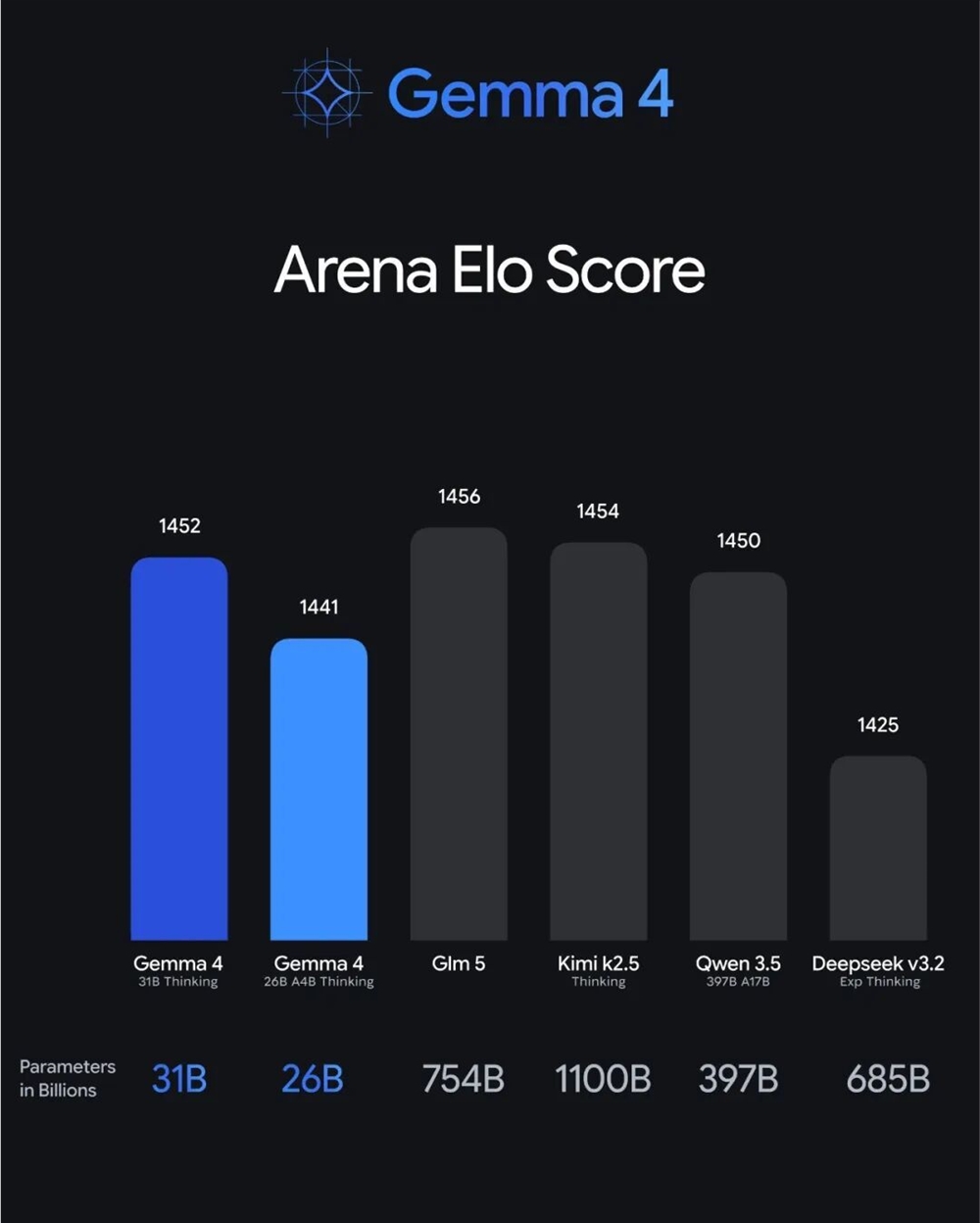
From Restricted to Wide Open
The biggest surprise? Google abandoned its proprietary license for the industry-standard Apache 2.0. "This means startups can now build commercial products without worrying about legal gray areas," explains AI researcher Dr. Lisa Yang. "It's like Google just removed the training wheels from their open-source strategy."
Four Models, One Mission
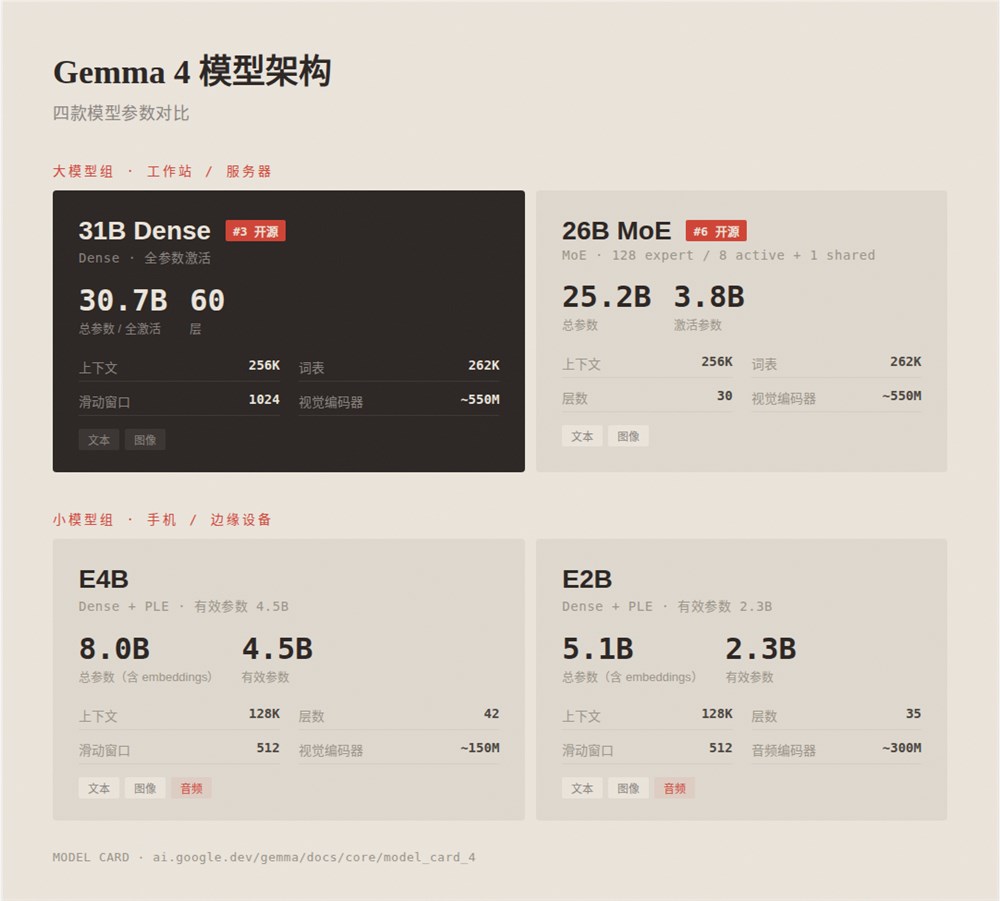
The Gemma 4 lineup covers every use case:
- 31B Dense (The Powerhouse): With all 31 billion parameters firing, this model handles ultra-long 256K context windows while ranking third among open-source models. Surprisingly efficient - runs on a single H100 GPU.
- 26B A4B MoE (The Value Champ): Using mixture-of-experts architecture, it activates just 3.8B parameters at a time but delivers quality punching far above its weight class.
- E-Series (Mobile Marvels): The E4B and E2B models bring surprisingly capable AI to smartphones, with memory footprints as low as 1.5GB through clever compression techniques.
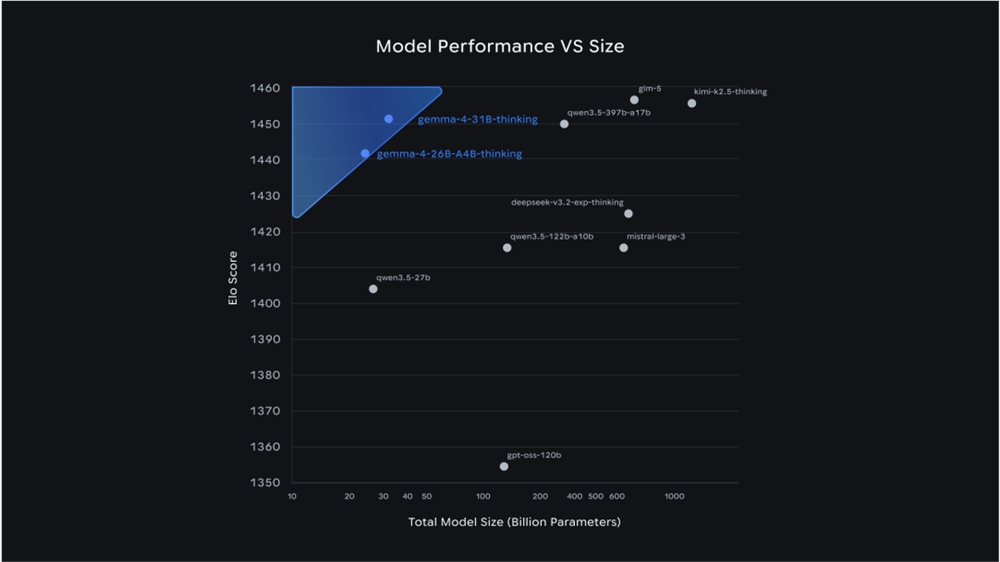
Performance That Turns Heads
The numbers tell a stunning story of progress:
- Math skills vaulted from scoring 20% on advanced tests to nearly 90%
- Coding ability transformed from novice (ELO 110) to competitive programmer (ELO 2150)
- Scientific reasoning nearly doubled on graduate-level benchmarks
- Supports 140 languages out of the box with best-in-class multilingual performance
"We're seeing generational leaps," notes Stanford AI researcher Mark Chen. "The coding improvement alone could disrupt the programming assistant market."
Beyond Raw Power: Smarter Interactions
Gemma 4 isn't just bigger - it's designed for more natural use:
- Thinking Mode: The model actually works through problems internally before answering, like a human pausing to consider.
- Built for Agents: Native support for function calls and JSON output means developers can create sophisticated AI assistants.
- Multimodal Magic: Even the smallest versions handle images, video, and audio - rare for open-source models of this size.
Why This Matters Now
The timing is strategic. After Chinese models like DeepSeek made waves in open-source circles, Google is fighting back with superior engineering and unprecedented openness. "They're playing the long game," observes tech analyst Priya Kumar. "By empowering developers today, they're building loyalty for tomorrow's ecosystem battles."
Key Points:
- Commercial green light: Apache 2.0 license removes barriers for startups and businesses
- Specialized lineup: From data centers to smartphones, there's a tailored version
- Coding leap: Transformed from beginner to expert-level programming assistance
- Global ready: Outstanding multilingual support across 140 languages
- Agent-ready: Designed for next-gen AI applications right out of the box