GLM-5.1: The AI That Works Like a Human Developer
GLM-5.1 Redefines What AI Can Achieve
Move over, sleep-deprived developers - there's a new coder in town that never needs coffee breaks. The recently launched GLM-5.1 open-source model demonstrates capabilities that blur the line between artificial and human intelligence.
Coding Marathoner
What sets GLM-5.1 apart is its remarkable endurance. Imagine an AI that doesn't just offer quick suggestions but rolls up its sleeves for an 8-hour development session. During testing, it built a fully functional Linux desktop system overnight, executing over 1,200 steps - work that would typically take four human developers a week.
"The first results appeared within 20 minutes," reports the development team, "but what surprised us was how it kept optimizing throughout the night."
Benchmark Champion
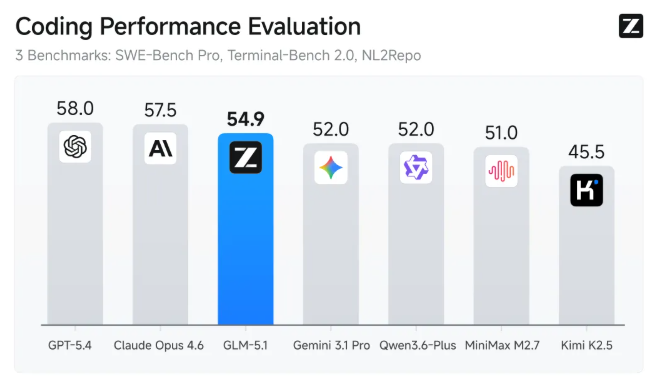
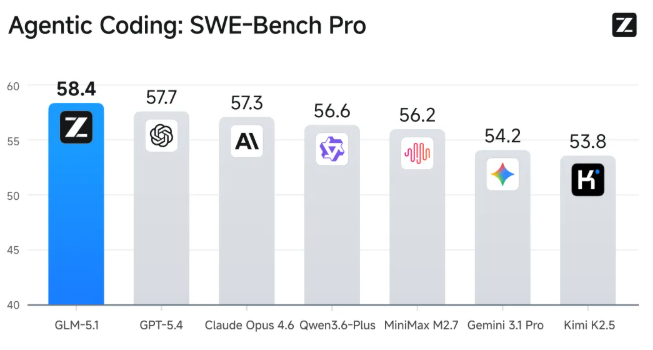
The model isn't just persistent - it's brilliant. On the SWE-Bench Pro evaluation, GLM-5.1 outperformed industry leaders like GPT-5.4 and Claude Opus4.6 in identifying and fixing complex engineering bugs. Its vector database optimization under real machine learning loads shows particular promise for data-intensive applications.
Self-Improving Intelligence
Perhaps most impressive is GLM-5.1's ability to self-assess and adjust strategies mid-task. When facing roadblocks, it doesn't just brute-force solutions but intelligently pivots approaches - a quality typically associated with experienced human engineers.
"This isn't just another chatbot with coding skills," explains one researcher. "It's the first model that truly understands the development lifecycle from planning through execution to optimization."
The implications are profound. Developers can now delegate complete projects rather than just seeking snippets of code assistance.
Key Points:
- 8-hour work capacity - Handles extended development sessions without supervision
- Benchmark leader - Outperforms top models in complex bug resolution
- Self-optimizing - Continuously improves strategies during task execution
- Available now on GitHub, Hugging Face, and ModelScope