Ford Bets Big on AI: Smart Assistant Coming Next Year, Eyes Fully Autonomous Cars by 2028
Ford Accelerates Into AI Future With Bold Autonomous Driving Plans
At this year's Consumer Electronics Show, Ford shifted gears dramatically with its vision for "technology meeting humanity." The Detroit automaker revealed concrete steps to transform how drivers interact with their vehicles - and eventually, how little they'll need to.
Your Next Co-Pilot: Ford's AI Assistant
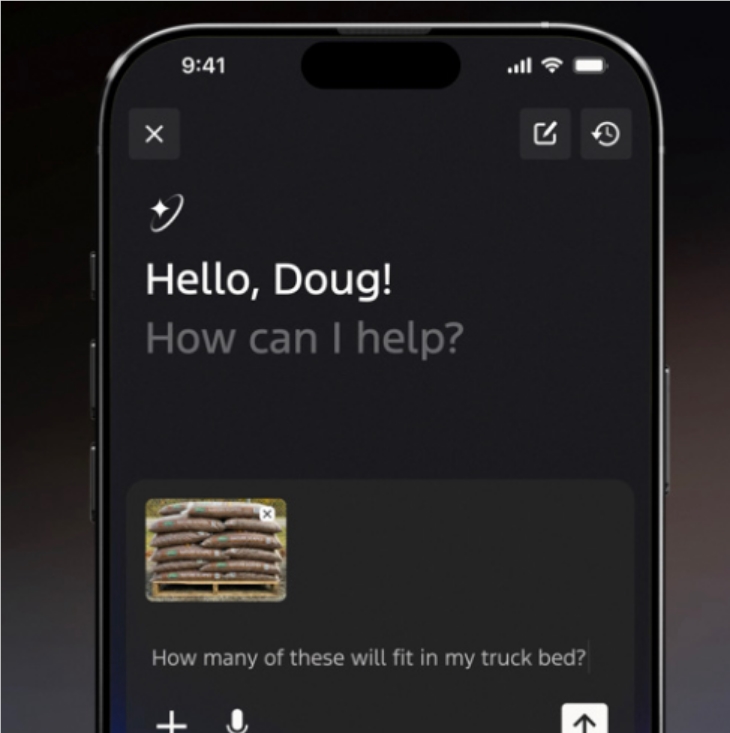
The star announcement was Ford's new conversational AI assistant, built on Google Cloud infrastructure using advanced language models. Unlike generic voice assistants, this one knows your truck bed dimensions as well as your oil life percentage. "We're moving beyond simple commands to real vehicle intelligence," explained Ford's chief technology officer during the keynote.
The rollout comes in two phases:
- Early 2026: Debuts in Ford's smartphone app
- 2027: Integrated directly into vehicle dashboards
The timing suggests Ford aims to close the gap with Rivian and Tesla's acclaimed infotainment systems while maintaining its reputation for practical innovation.
The Road to Hands-Free Driving Gets Clearer
Ford didn't stop at voice tech. They unveiled BlueCruise 2.0 - a next-gen driver assistance system boasting 30% lower production costs. This affordability play could democratize features previously reserved for luxury models.
The system will first appear on an upcoming mid-size pickup built on Ford's budget-friendly EV platform. But the real headline? Ford committed to achieving true "eyes-off" autonomous capability by 2028, promising point-to-point self-driving that directly challenges Tesla's Full Self-Driving system.
"We're not just chasing specs," emphasized CEO Jim Farley. "This is about making advanced technology accessible without compromising safety."
From Luxury to Mainstream: A Calculated Approach
While competitors rush toward full autonomy, Ford appears focused on gradual implementation. Current systems will still require driver attention - for now. But their phased strategy suggests confidence in crossing the hands-free threshold within two years of initial rollout.
The implications are significant: What begins as an oil-checking voice assistant today could evolve into your car handling school drop-offs tomorrow. For traditional automakers playing catch-up in software, Ford's pragmatic roadmap might just be the template they need.
Key Points:
- AI Assistant Launch: Google-powered system arrives first in mobile apps (2026), then dashboards (2027)
- Autonomous Timeline: Eyes-off driving targeted for 2028 debut
- Cost Advantage: New BlueCruise system cuts production expenses by nearly one-third
- Market Strategy: Phased approach aims to bring premium tech features to mass-market buyers