Flux.2 Goes Open Source, Challenging Google's Premium AI Pricing
Open Source AI Shakes Up Image Generation Market
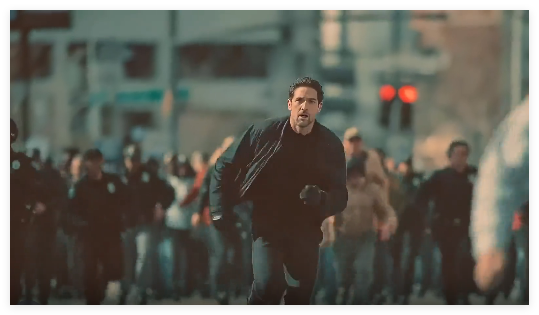
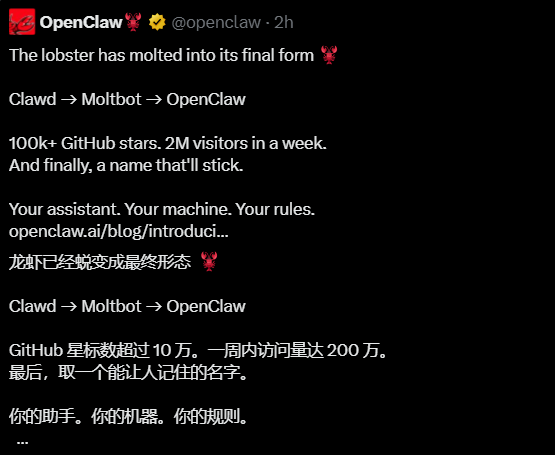
Late last night, GitHub stars began flooding Black Forest Lab's repository as they unexpectedly released Flux.2 - their entire AI image generation system - into the public domain. Within minutes, social media exploded with test results showing the system producing 4MP fashion photos in just 8 seconds at a cost of $0.003 per image.
A Four-Pronged Approach
What makes Flux.2 particularly disruptive isn't just its price point (free) but its modular approach:
- Pro Version: Slashes sampling steps to 8, delivering speeds 2.3x faster than previous models
- Flex Version: Opens temperature, CFG and noise scheduling controls to developers
- Dev Version: Runs efficiently on modest hardware like RTX 3060 laptops
- Coming Klein Version: Promises direct 2K output on Raspberry Pi-level devices
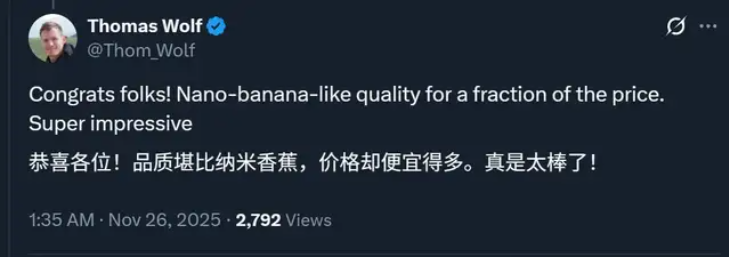
The immediate comparison? Google's Nano Banana Pro requires a $3000 enterprise key for similar capabilities.
Pixel-Perfect Control Wins Creators Over
The new release brings unprecedented control to generative AI workflows. Users can upload pose sketches and overlay reference materials like leather jackets, with Flux.2 accurately reproducing folds, zippers and highlights in final renders.
The improvements solve common AI art frustrations - no more twelve-fingered monstrosities or garbled background text. One Reddit user generated twelve Cyberpunk 2077-inspired posters in three minutes using Flux.2 Flex and immediately sold them on Redbubble - effectively earning $500/hour.
Where Google Still Leads (For Now)
Google maintains an edge in handling complex artistic prompts combining multiple styles like "Van Gogh landscapes with rainy neon nights." Their solution produces smoother color transitions and denser details - but at premium pricing that puts it out of reach for most independent creators and students.
The gap has narrowed significantly though - enough that cost-conscious users are overwhelmingly choosing the open source alternative.
Key Points:
- Cost Revolution: Free vs $3000 enterprise licenses creates massive pricing pressure
- Hardware Flexibility: From laptops to Raspberry Pis expands accessibility
- Creative Control: Precise texture mapping solves common AI art flaws
- Market Impact: Could reshape pricing expectations across generative AI tools