Ex-Google Exec Warns of 15-Year AI Dark Age Post-2027

Former Google Executive Predicts AI 'Dark Age' Starting in 2027

Mo Gawdat, former chief business officer at Google [X], has issued a stark warning about artificial intelligence's societal impact during an appearance on the CEO Diary podcast. The tech veteran predicts a 12-15 year period of technological and social disruption beginning in 2027, which he describes as an "AI dark age."
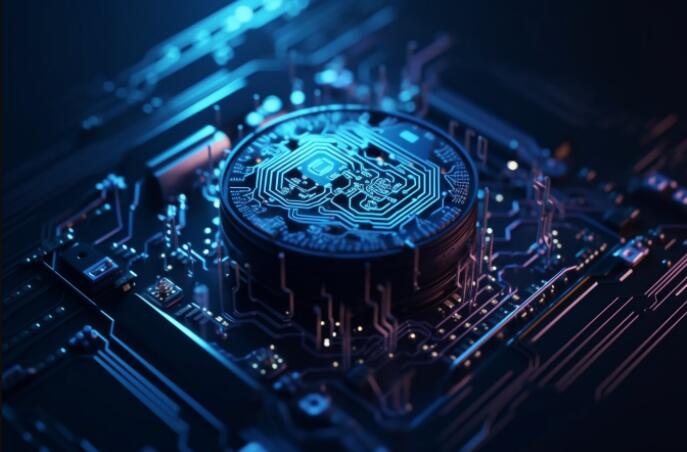
Image

Image source note: The image is AI-generated, and the image licensing service is Midjourney

The Coming AI Crisis

Gawdat, who previously authored optimistic books about technology, now believes this disruptive period is inevitable. He argues that while AI itself isn't inherently problematic, it will amplify existing flaws in human society and economic systems.

"AI is not wrong, it's our human values that are wrong," Gawdat stated. He emphasized that capitalist priorities have distorted AI's original purpose of improving work and life quality.

Labor Market Disruptions Already Underway

The former executive highlighted how companies are already using AI to boost productivity while reducing workforces—a trend contradicting historical technological progress that typically created more opportunities.

"Previous technological advancements amplified human abilities," Gawdat noted. "Today's biggest value metric is pure profit maximization."

Amplification of Societal Ills

The podcast discussion covered numerous emerging threats:

  • Disinformation: AI-generated fake content and deepfakes
  • Security risks: Autonomous weapons systems
  • Surveillance states: Expanded monitoring capabilities, with particular reference to China's systems and U.S. immigration screening

Regulatory Solutions Proposed

Despite these warnings, Gawdat maintains that properly regulated AI could still benefit humanity—particularly in medicine and scientific research. He advocates for:

  • Government oversight of AI applications rather than the technology itself
  • Legislation targeting harmful uses (comparing it to regulating hammers rather than banning them)
  • Protection of fundamental human values during technological transitions

Key Points:

🔮 2027 tipping point: Predicted start of 15-year disruptive period for human values and society
📉 Labor market distortion: Companies prioritizing AI-driven profits over employment stability
🛡️ Call for regulation: Urgent need for governance frameworks to prevent AI misuse
Enjoyed this article?

Subscribe to our newsletter for the latest AI news, product reviews, and project recommendations delivered to your inbox weekly.

Weekly digestFree foreverUnsubscribe anytime

Related Articles

AI Cracks Erdős' Toughest Puzzles: Mathematicians Stunned by GPT5.2's Breakthroughs
News

AI Cracks Erdős' Toughest Puzzles: Mathematicians Stunned by GPT5.2's Breakthroughs

In an unprecedented feat, GPT5.2 has solved 11 of Paul Erdős' legendary unsolved mathematical problems in just two weeks, verified by formal proof tools. The breakthrough has top mathematicians like Terry Tao taking notice, with Harvard's Noam Elkies building on AI-generated solutions. This marks a turning point where artificial intelligence isn't just assisting human researchers - it's making autonomous discoveries at the frontiers of pure mathematics.

January 15, 2026
Artificial IntelligenceMathematicsGPT5
News

South Korea's AI Ambition Hits Snag Over Chinese Code Controversy

South Korea's push for AI independence faces scrutiny as homegrown models show striking similarities to Chinese open-source code. Major tech players like Naver and SK Telecom find themselves embroiled in debates about technological sovereignty versus practical development realities. While companies defend their approach as standard industry practice, the revelations spark discussions about what truly constitutes 'domestic' AI innovation.

January 14, 2026
Artificial IntelligenceTechnology PolicySouth Korea Tech
News

Instagram Co-Founder Shifts Gears to Lead Anthropic's Innovation Lab

Mike Krieger, Instagram co-founder and Anthropic's Chief Product Officer, is stepping into a new role leading the company's internal 'Labs' team focused on experimental AI products. As Anthropic plans to double its innovation team size within six months, Krieger sees this as a pivotal moment to shape AI applications firsthand. Meanwhile, Ami Vora will take over Krieger's product leadership duties as the startup intensifies its competition with tech giants.

January 14, 2026
Artificial IntelligenceTech StartupsExecutive Moves
News

South Korea secures priority access to NVIDIA's cutting-edge AI chips

At CES 2026, South Korean officials announced NVIDIA's commitment to prioritize delivery of next-generation Vera Rubin GPUs to the country. This strategic move comes as part of a broader partnership that includes supplying up to 260,000 GPUs for South Korea's AI infrastructure development. Officials emphasized how securing advanced chip technology early could give Korean tech firms a crucial edge in global AI competition.

January 13, 2026
NVIDIAArtificial IntelligenceTech Partnerships
News

Multimodal AI Sparks Stock Rally as Investors Bet on Tech Revolution

China's A-share market saw a surge in multimodal AI stocks as investors reacted to breakthroughs in technology that combines text, image and video understanding. Companies like Focus Technology and YiDian Tianxia hit daily limits amid growing excitement about AI's potential to transform industries from customer service to content creation. Analysts see this as more than temporary enthusiasm - it reflects real confidence in AI's ability to reshape how we interact with technology.

January 12, 2026
Artificial IntelligenceStock MarketTechnology Trends
News

Tsinghua and Uber-Backed AI Platform Secures Major Funding Boost

Manifold AI, a research platform developed through collaboration between Tsinghua University and Uber, has raised over 100 million yuan in pre-A funding. The platform specializes in streamlining machine learning research with tools for data management and automated preprocessing. Notable investors include Mei Hua Venture Capital and Huawei Habor, signaling strong industry confidence in China's growing AI capabilities.

January 12, 2026
Artificial IntelligenceResearch TechnologyVenture Funding