DuckDuckGo Introduces AI Image Filter for Cleaner Searches
DuckDuckGo Rolls Out AI-Generated Image Filter
In response to growing user concerns about AI-generated content flooding search results, privacy-focused search engine DuckDuckGo has introduced a new filtering feature. The tool allows users to easily hide synthetic images from their searches, addressing what many describe as an increasingly problematic aspect of online information discovery.
How the Feature Works
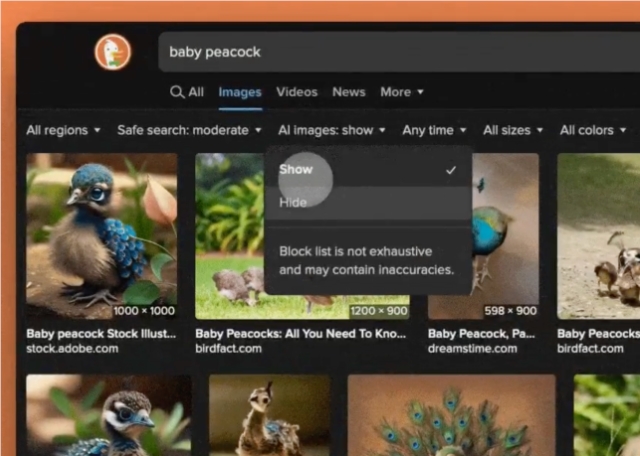
The new functionality appears in DuckDuckGo's Images tab, where users now find an "AI Images" dropdown menu. This simple interface lets searchers choose whether to display or hide content identified as AI-generated. For those who prefer automatic filtering, the option can be enabled permanently through search settings under "Hide AI-Generated Images."
Technical Implementation
The filter relies on a manually maintained open-source blacklist, incorporating resources like uBlockOrigin and uBlacklist Huge AI Blocklist. While DuckDuckGo acknowledges the system isn't perfect—some AI content may slip through while some legitimate images might be blocked—the company reports it significantly reduces synthetic image prevalence in results.
Addressing the 'AI Garbage' Problem
The launch comes amid widespread discussion about low-quality AI-generated content proliferating across platforms. Referred to by some as "AI garbage," this content often lacks the nuance and authenticity of human-created material. DuckDuckGo's move positions it as one of the first major search engines to directly address this growing user pain point.
A Nod to Recent Controversies
The company's example demonstration using "baby peacock" searches appears to reference a 2024 incident where Google's results for the term were dominated by obviously synthetic images rather than authentic photographs. This real-world case highlighted how AI content could displace genuine information in search ecosystems.
Future Developments
DuckDuckGo has hinted at plans to expand filtering options, though specifics remain undisclosed. The development suggests growing recognition within the tech industry that users need better tools to navigate increasingly synthetic digital landscapes.
Key Points:
- New dropdown menu in Images tab for quick AI content filtering
- Option available in search settings for permanent activation
- Uses open-source blacklists with manual oversight
- Direct response to user complaints about search quality degradation
- Future filtering expansions planned but not detailed