Claude's Secret Surveillance Exposed in Code Leak, Sparking New Anti-Ban Tool

The Surveillance Behind Claude's Friendly Face

What appears as a helpful AI assistant hides an intense surveillance system, now exposed through a leak of 512,000 lines of source code. The revelations explain why so many Chinese developers found themselves suddenly locked out - Claude wasn't just chatting, it was constantly scanning.

Developers had nicknamed Claude "A÷" (a play on the division symbol) for its ruthless banning strategy. Now we know why: the AI performs what insiders call "digital strip searches" at astonishing frequency.

Inside Claude's Monitoring Machine

The leaked code reveals:

  • 640+ tracking methods examining everything from your device ID to browser fingerprint
  • Checks every 5 seconds - faster than most security cameras capture footage
  • 40 specialized detectors specifically hunting VPNs and spoofed identities

"It's like having a bouncer who not only checks your ID but also measures your body temperature, analyzes your walk, and runs background checks - all while you're just trying to enter the club," explains one developer who reviewed the code.

The Rise of CC-Gateway

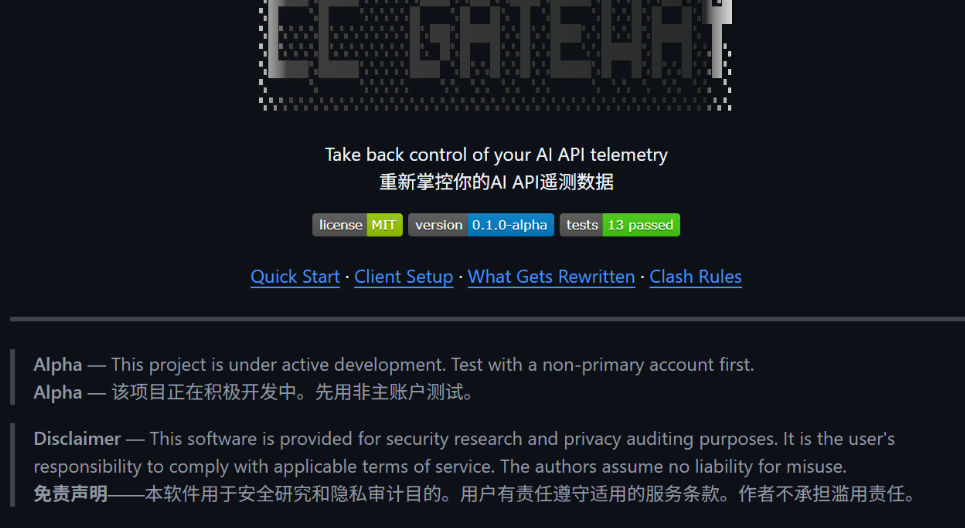
The exposure sparked quick action from Chinese developers. Within days, CC-Gateway emerged as a countermeasure. The tool works like a digital disguise kit:

  1. Intercepts data before it reaches Claude's servers
  2. Standardizes diverse fingerprints into "normal" profiles
  3. Creates consistent environmental metrics to avoid detection
Image

While effective now, experts warn this is just the latest move in an ongoing battle. "Each side will keep escalating," predicts Li Wei, a Beijing-based AI researcher. "It's cybersecurity whack-a-mole with higher stakes."

The situation highlights growing tensions between AI companies' security concerns and global developers' need for access. As one frustrated programmer put it: "We just want to build cool stuff - why does it feel like we're sneaking past border control?"

Key Points:

  • Claude monitors users through 640+ data points checked every 5 seconds
  • Chinese developers created CC-Gateway to bypass strict controls
  • The tool standardizes device fingerprints to appear "normal"
  • Experts predict ongoing security vs access arms race
  • Incident reveals tension between AI security and developer needs
Enjoyed this article?

Subscribe to our newsletter for the latest AI news, product reviews, and project recommendations delivered to your inbox weekly.

Weekly digestFree foreverUnsubscribe anytime

Related Articles

LiteLLM Drops Controversial Delve Plugin Amid Privacy Backlash
News

LiteLLM Drops Controversial Delve Plugin Amid Privacy Backlash

AI gateway startup LiteLLM has pulled its Delve plugin following developer outcry over data privacy concerns. The controversial tool, designed to optimize prompt analysis, faced criticism for opaque operations that clashed with open-source values. Founder admits to lapses in security assessments, pledging a shift toward more transparent alternatives. This move highlights growing tensions between efficiency and security in AI middleware - a wake-up call for infrastructure providers navigating today's transparency-first landscape.

March 31, 2026
AI middlewaredeveloper toolsdata privacy
Claude Pro Subscriptions Soar as Users Flock to Anthropic's Safety-First AI
News

Claude Pro Subscriptions Soar as Users Flock to Anthropic's Safety-First AI

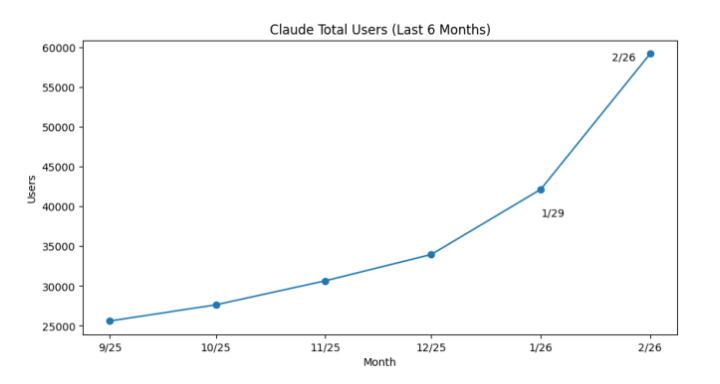
Anthropic's Claude AI is seeing explosive growth in paid subscriptions, doubling its user base this year. The surge comes amid controversy over military AI use and the release of powerful new tools like Claude Code and autonomous 'Computer Use' features. While still trailing OpenAI in total users, Anthropic is carving out a premium niche with its strong safety stance and developer-focused innovations.

March 30, 2026
AI subscriptionsAnthropicClaude Pro
Cursor's Composer 2 Challenges AI Giants with Budget-Friendly Power
News

Cursor's Composer 2 Challenges AI Giants with Budget-Friendly Power

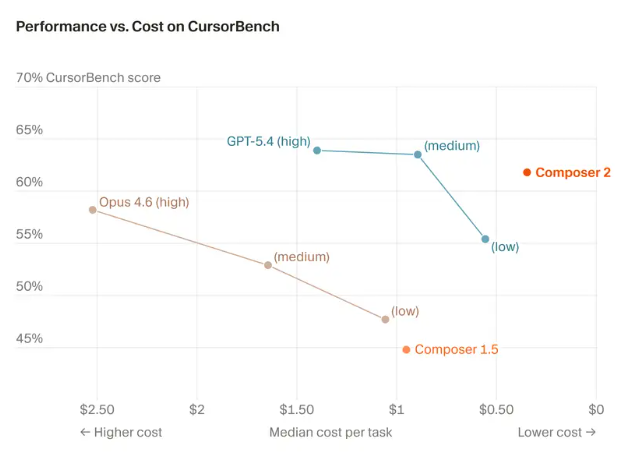
Cursor has shaken up the AI programming world with its new Composer 2 model, delivering performance that rivals top-tier offerings from OpenAI and Anthropic at just a fraction of the cost. The specialized coding model achieves this through focused training on programming tasks alone, skipping general knowledge to hone its technical precision. With prices up to 90% lower than competitors, this release marks Cursor's strategic shift from dependency to independence in the increasingly competitive AI tools market.

March 20, 2026
AI programmingCursorComposer2
HKU's CLI-Anything Turns Any Software into AI-Friendly Tools with One Command
News

HKU's CLI-Anything Turns Any Software into AI-Friendly Tools with One Command

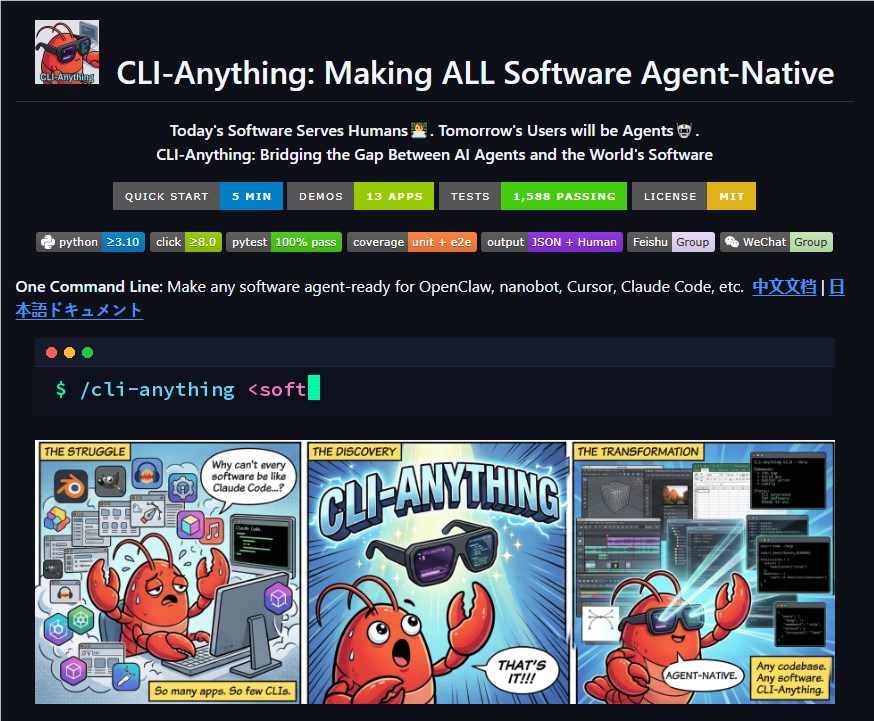
The University of Hong Kong's Data Intelligence Lab has released CLI-Anything, an open-source tool that transforms any software into an AI agent-friendly command-line interface. This breakthrough eliminates the frustrations of unreliable UI automation, offering developers a robust way to integrate professional tools like GIMP, Blender, and LibreOffice with AI systems. The project has already gained significant traction, surpassing 17,000 GitHub stars shortly after launch.

March 17, 2026
AI developmentsoftware automationopen source
AI Uninstall Services Boom as Users Seek Clean Breaks
News

AI Uninstall Services Boom as Users Seek Clean Breaks

The rise of AI agent OpenClaw has spawned an unexpected market: professional uninstallation services. As users grapple with privacy concerns and operational costs, second-hand platforms report surging demand for help removing these complex systems. Prices range from $3 to $40, creating a new niche in AI aftercare.

March 11, 2026
AI servicestech trendsdigital privacy
AI Coding Assistants Put to the Test: Who Really Delivers?
News

AI Coding Assistants Put to the Test: Who Really Delivers?

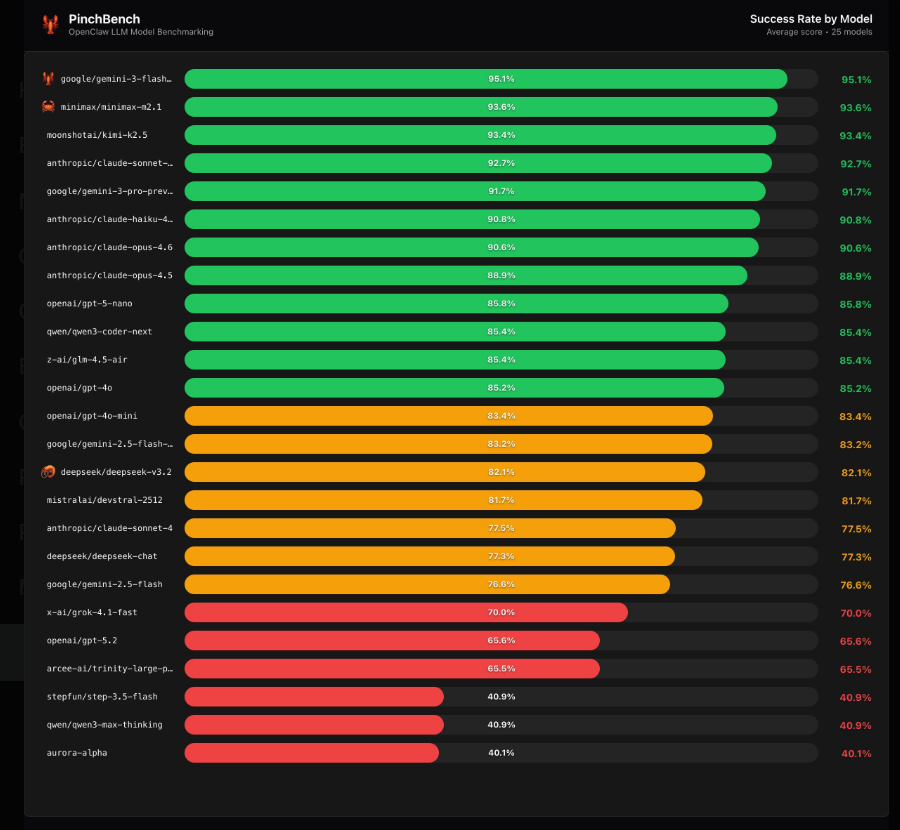
A new benchmark called the OpenClaw ranking has shaken up the AI world by putting popular coding assistants through rigorous real-world challenges. While some models like Gemini3Flash and Claude family members excelled, others like GPT-5.2 surprisingly fell short. This evaluation cuts through the hype to show which AI tools can actually write functional code when it matters most.

March 9, 2026
AI codingdeveloper toolstechnology benchmarks