China cracks down on AI celebrity imposters in live-streaming scams

China Takes Hard Stance Against AI-Powered Celebrity Scams

The digital landscape just got tougher for fraudsters using artificial intelligence to impersonate celebrities. China's cyberspace watchdog has launched its most aggressive campaign yet against AI-generated imposters flooding live-streaming platforms.
Image

Deepfake Deception Goes Mainstream

With generative AI tools becoming frighteningly accessible, unscrupulous marketers have found new ways to exploit public trust. Sophisticated face-swapping and voice-cloning technologies now allow anyone to digitally "become" a celebrity overnight.

"We're seeing entire networks of accounts fabricating endorsements from famous figures," explained one platform moderator who requested anonymity. "The technology has gotten so good that even careful viewers can't always spot the fakes."

The scams follow a familiar pattern: AI-generated versions of popular actors, singers or influencers appear to enthusiastically promote products ranging from skincare to kitchenware. Viewers, believing they're getting genuine recommendations, often fall victim to overpriced or counterfeit goods.

Enforcement Hits Hard

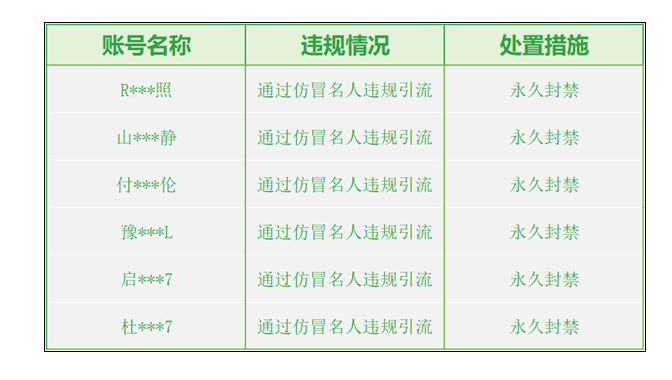
The Cyberspace Administration's recent sweep targeted notorious offenders like "Baihu Supermarket Store" and "Global Skincare Selection," accounts that built entire businesses on fabricated celebrity personas. Platforms received orders to implement stricter verification systems while purging existing violations.

The numbers tell the story:

  • 11,000+ fake accounts terminated
  • 8,700+ pieces of content removed
  • 100% of major platforms participating in compliance efforts

"This isn't just about copyright anymore," noted digital rights attorney Li Wenjie. "These scams undermine consumer trust in entire industries while putting real celebrities' reputations at risk."

What Comes Next?

The administration vows this is only phase one. New detection algorithms are being deployed across platforms, with human review teams receiving specialized training to spot increasingly sophisticated deepfakes.

For consumers, experts offer simple advice: "If a deal seems too good to be true, or a celebrity endorsement feels out of character, it probably is," cautions tech analyst Zhang Wei. "Always verify through official channels before purchasing."

The crackdown represents China's latest move in the global struggle against AI-facilitated deception. As the technology evolves, so too must our defenses against those who would weaponize it.

Key Points:

  • Deepfake crackdown: Targeting AI-generated celebrity impersonations in live-streams
  • Massive scale: Over 11,000 accounts banned in initial enforcement wave
  • Evolving threats: Scammers using increasingly sophisticated face/voice cloning tech
  • Consumer vigilance: Experts warn shoppers to verify suspicious endorsements
  • Ongoing battle: Platforms implementing new detection systems as scams evolve

Enjoyed this article?

Subscribe to our newsletter for the latest AI news, product reviews, and project recommendations delivered to your inbox weekly.

Weekly digestFree foreverUnsubscribe anytime

Related Articles

X cracks down on unmarked AI war videos with revenue bans
News

X cracks down on unmarked AI war videos with revenue bans

Social media platform X is tightening its rules around AI-generated conflict footage. Creators who post unlabeled synthetic war videos will face a 90-day suspension from revenue sharing, with permanent bans for repeat offenders. The move comes as concerns grow about AI's role in spreading wartime misinformation.

March 4, 2026
social media policyAI regulationmisinformation
Kuaishou Takes Action Against AI-Altered Videos Targeting Classics
News

Kuaishou Takes Action Against AI-Altered Videos Targeting Classics

Kuaishou has removed over 4,000 videos featuring inappropriate AI modifications of classic films and animations. The crackdown focuses on protecting minors from disturbing content and preserving the integrity of cultural treasures like 'Journey to the West'. The platform vows to strengthen content review systems while encouraging user participation in reporting violations.

March 3, 2026
AI regulationcontent moderationdigital heritage
News

WeChat Pulls 4,000 AI-Altered Videos in Crackdown on Distorted Classics

WeChat has removed nearly 4,000 videos in February that used AI to grotesquely alter classic films and animations. The platform is targeting content that distorts cultural classics like 'Romance of the Three Kingdoms,' misrepresents historical figures, or creates disturbing versions of children's cartoon characters. This crackdown comes as part of broader efforts to maintain healthy online content and protect young users from harmful material.

March 3, 2026
AI regulationcontent moderationdigital culture
WeChat Takes Hard Line Against AI Celebrity Impersonators
News

WeChat Takes Hard Line Against AI Celebrity Impersonators

WeChat has launched a sweeping crackdown on accounts using AI to impersonate celebrities, banning over 1,200 profiles and removing 13,000 pieces of deceptive content. The platform is targeting sophisticated deepfake scams that misuse famous faces and voices for fraudulent activities. With upgraded detection technology, WeChat vows to maintain strict oversight while urging users to stay vigilant against these increasingly convincing digital imposters.

March 3, 2026
deepfakesdigital fraudsocial media moderation
News

Taobao Flash Sales Rolls Out AI-Powered Food Safety Checks

Taobao Flash Sales has launched a new '3+1+AI' food safety system in response to stricter regulations. The platform now combines artificial intelligence with rider inspections to monitor restaurant hygiene and compliance throughout the delivery process. This move comes as China tightens oversight of online food services, with major platforms racing to implement smarter safety measures.

February 27, 2026
food deliveryAI regulatione-commerce
News

Canada Demands OpenAI Strengthen Safety Measures After Shooting Incident

Canadian officials have issued a strong warning to OpenAI following a tragic school shooting linked to a banned ChatGPT user. Justice Minister Sean Fraser emphasized the need for immediate improvements to AI safety protocols, threatening legislative action if changes aren't made voluntarily. The case highlights growing concerns about tech companies' responsibility in preventing misuse of their platforms.

February 26, 2026
AI regulationOpenAIpublic safety