
CES 2026 Unveils Comfort Standards Transforming Wearable Tech

Wearable Comfort Gets Scientific at CES 2026

The days of guessing whether your smartwatch or earbuds will feel comfortable may soon be over. At this year's Consumer Electronics Show in Las Vegas, industry leaders unveiled the first-ever scientific framework for evaluating wearable comfort - addressing what has long been consumers' top complaint about smart devices.

From Guesswork to Guidelines

For years, manufacturers designed wearables based largely on intuition when it came to comfort. "We've had incredible technological advances," noted Dr. Lisa Chen from Goertek, "but users kept telling us their ears got sore after two hours or their wrists developed rashes."

The new white paper establishes measurable standards across five key areas:

  • Pressure distribution (how weight sits on the body)
  • Ear canal/body contact points
  • Weight balance
  • Skin-friendly materials
  • Long-term wear fatigue

"This changes everything," said Huawei's design lead Mark Williams. "Now we can actually test and compare comfort levels objectively during development."

iFlytek Sets the Bar High

The first beneficiary? iFlytek's AI translation earphones, which earned SGS's prestigious Premium Performance Mark after rigorous testing. Their secret? A combination of medical-grade silicone tips and what engineers call "dynamic weight distribution" - shifting components to minimize pressure points.

"We treated comfort as seriously as sound quality," explained iFlytek CEO Liu Qingfeng during the demo. He demonstrated how the earbuds maintain stability during head movements - crucial for travelers needing reliable translations on-the-go.

What This Means For Your Next Purchase

The implications extend far beyond one product line:

  1. Better shopping decisions: Future packaging will display standardized comfort ratings alongside battery life specs
  2. Faster innovation: Companies can now scientifically test hundreds of material combinations
  3. Health benefits: Reduced skin irritation and musculoskeletal strain from prolonged use
  4. Global consistency: The same testing applies whether you're buying in Beijing or Boston

The initiative represents a rare case of competitors collaborating to solve universal user frustrations rather than just pushing flashy new features.

Key Points:

  • First scientific standards for wearable comfort launched at CES 2026
  • Framework evaluates pressure, fit, materials and long-term wear effects
  • iFlytek earphones first to achieve top SGS comfort certification
  • Consumers gain ability to compare comfort like battery life specs
  • Marks shift from pure functionality to holistic user experience
Enjoyed this article?

Subscribe to our newsletter for the latest AI news, product reviews, and project recommendations delivered to your inbox weekly.

Weekly digestFree foreverUnsubscribe anytime

Related Articles

News

Alibaba Steps Into Wearable AI With Qwen Smart Glasses Launch

Alibaba is making waves in wearable tech with its upcoming Qwen AI glasses, set to debut at MWC 2026. These smart glasses promise seamless integration with Alibaba's ecosystem, letting users order food, shop online, and book tickets hands-free. The move signals Alibaba's growing ambitions in AI hardware and could boost related investment funds.

February 27, 2026
wearable techAlibabaAI hardware
News

Alibaba Unveils Qwen AI Glasses at MWC 2026

Alibaba's Qwen assistant takes a bold step into wearable tech with its debut AI glasses at MWC 2026. These smart glasses promise to revolutionize how we interact with digital services in daily life, from ordering food to navigating cities. Pre-orders open March 2nd, marking Alibaba's ambitious push beyond smartphones into multi-device AI integration.

February 27, 2026
wearable techAI hardwareAlibaba
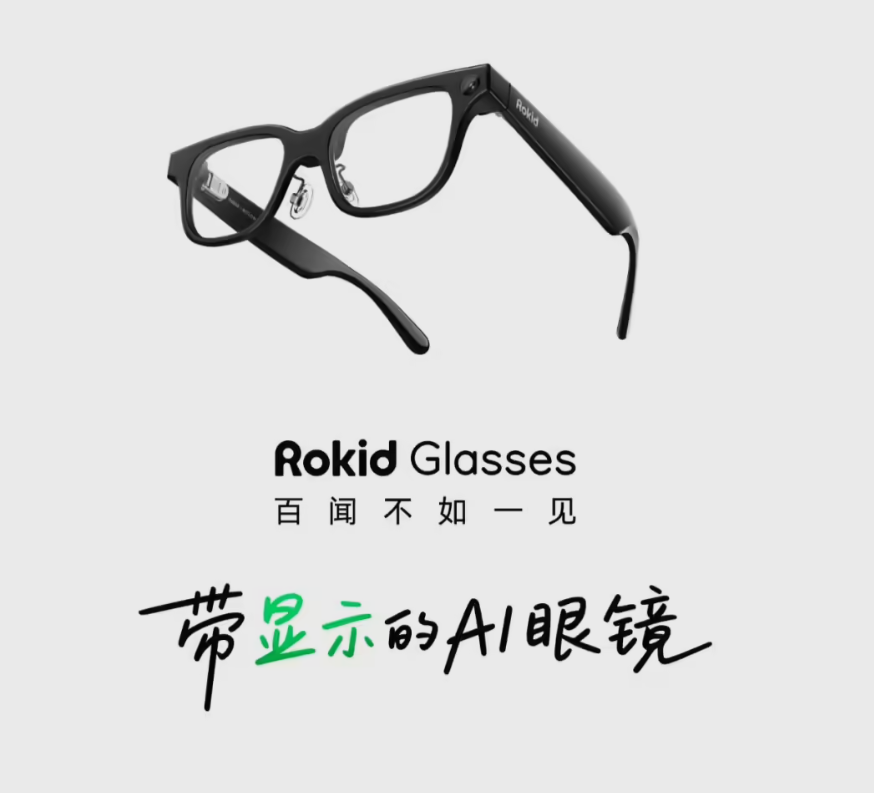
Rokid Glasses Break Free: Now Supports Your Favorite AI Models
News

Rokid Glasses Break Free: Now Supports Your Favorite AI Models

Rokid's latest update transforms their smart glasses into customizable AI companions. Developers can now integrate private models like DeepSeek and Kimi directly into the eyewear, offering unprecedented flexibility. The update simplifies development while expanding capabilities from voice commands to system control. But with great power comes responsibility - Rokid emphasizes security considerations alongside these exciting new features.

February 12, 2026
wearable techAI customizationsmart glasses
News

Rokid Teams Up With AI Leaders For Next-Gen Smart Glasses

Chinese tech firm Rokid is partnering with leading AI companies to develop groundbreaking smart glasses powered by generative AI. The new device will feature edge-side multimodal processing for seamless voice, vision and touch interactions. Currently selling 1,200 units daily, Rokid aims to redefine wearable tech with real-time translation, AR experiences and intelligent personal assistants.

February 2, 2026
wearable techartificial intelligencesmart glasses
News

Samsung's Next-Gen AR Glasses Arriving in 2026 with AI Smarts

Samsung has officially confirmed its next-generation AR glasses will hit the market in 2026, marking a significant leap beyond simple displays. These sleek glasses promise to deliver immersive multimodal AI experiences through voice, vision, and intuitive interactions. With Qualcomm's specialized AR chip and smart integration into Samsung's growing XR ecosystem, these wearables could redefine how we interact with technology daily.

January 29, 2026
augmented realitywearable techSamsung
News

Xiaomi's Smart Glasses Now Let You Pay Parking Fees With Just a Glance

Xiaomi has teamed up with Ant Group to bring seamless parking payments and health monitoring to its smart glasses. Forget fumbling for your phone - now a simple voice command or glance handles parking fees. The glasses also connect to Ant's Afu health app, letting users check vital stats hands-free. Behind the scenes, Xiaomi's GPASS security framework keeps transactions safe.

January 28, 2026
wearable techcontactless paymentssmart glasses