BYD Goes All-In on AI Cockpits with Doubao Integration

BYD Vehicles Get Smarter With Doubao AI Integration

The automotive world is witnessing a quiet revolution in cabin technology as BYD announces full integration of ByteDance's Doubao AI model across its entire vehicle lineup. This partnership with Volcano Engine represents the most extensive implementation of intelligent cockpit technology in the industry today.

A New Era for Car Connectivity

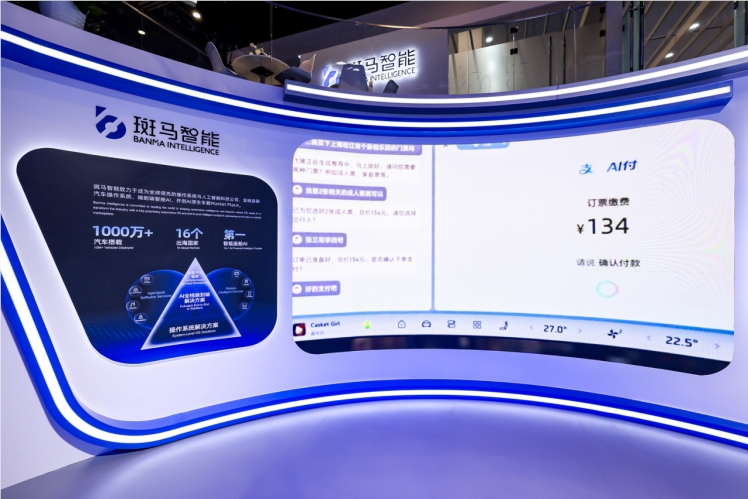
Gone are the days of clunky voice commands that barely understand basic requests. BYD's DiLink system now supports natural conversations where drivers can string together multiple requests seamlessly. Imagine saying "I'm cold, find me coffee nearby, and text Sarah I'll be late" - and having your car handle all three tasks effortlessly.

The system learns driver preferences over time, suggesting music playlists when you start your commute or recommending charging stations along your regular routes. It's like having a co-pilot who knows your habits better than you do.

Beyond Voice: The Complete Smart Experience

What sets this implementation apart is its holistic approach:

  • Digital Keys: Your phone or smartwatch becomes your key, with the car automatically adjusting seats and lighting to your preferred settings
  • Immersive Navigation: AR-enhanced directions overlay real-world views through your dashboard display
  • Home Integration: Start dinner prep remotely by connecting to smart home devices as you drive back from work

The technology leverages Doubao's massive user base (200 million monthly active users) which has refined its recommendation algorithms through countless real-world interactions.

Why This Matters for Drivers

While other automakers have experimented with AI in limited flagship models, BYD is bringing these features to mainstream buyers across all five of its brands - Yangwang, Chengshi, Fangchengbao, Dynasty and Ocean series.

Industry analysts see this as a watershed moment where advanced cockpit tech transitions from showroom novelty to expected standard equipment. As electric vehicles become increasingly similar mechanically, software experiences like this may become key differentiators.

The Chinese-developed solution also represents significant progress in localizing automotive technology stacks - from chips to operating systems to AI models.

Key Points:

  • Full lineup integration across BYD brands marks industry first
  • Context-aware interactions replace simple voice commands
  • Personalization learns driver habits over time
  • Ecosystem connectivity bridges car and smart home devices
  • Chinese-developed stack shows maturing local tech capabilities
Enjoyed this article?

Subscribe to our newsletter for the latest AI news, product reviews, and project recommendations delivered to your inbox weekly.

Weekly digestFree foreverUnsubscribe anytime

Related Articles

News

Meizu Shifts Focus from Smartphones to AI Amid Rising Costs

Chinese smartphone maker Meizu has announced it will halt domestic smartphone R&D due to soaring memory prices, marking a strategic pivot towards AI development. The company plans to deepen its partnership with Geely Automotive while maintaining overseas phone operations and existing product lines.

February 27, 2026
smartphonesAIbusiness strategy
News

Linq's $20M Boost Brings AI Assistants Straight to Your Texts

Startup Linq just landed $20 million to revolutionize how we chat with AI - no app downloads needed. Their tech seamlessly integrates smart assistants into iMessage and SMS, turning your regular texts into powerful AI tools. With monthly messages soaring past 30 million, Linq's solving our app fatigue while keeping conversations flowing naturally.

February 3, 2026
AI integrationmessaging technologystartup funding
News

Kingsoft and Huawei Join Forces to Revolutionize Office Work on HarmonyOS

In a strategic move that could reshape how we work digitally, Kingsoft Office has teamed up with Huawei to enhance its WPS suite for HarmonyOS. The partnership aims to tackle common office frustrations like device switching and workflow efficiency through deep AI integration. By 2026, users can expect smarter document handling across all their devices, with China's homegrown technologies leading the charge.

January 30, 2026
productivity softwareHarmonyOSWPS Office
News

Claude AI Now Works Seamlessly with Slack, Figma and Canva

Anthropic's Claude AI assistant just got a major productivity boost with deep integrations to popular workplace tools. Users can now access Slack conversations, create Figma designs, and build Canva presentations without leaving Claude's interface. The magic behind these seamless connections is Anthropic's open-source MCP protocol, which allows different apps to communicate directly through the AI assistant. This update transforms Claude from a simple chatbot into a powerful workflow hub for professionals.

January 28, 2026
ClaudeAIworkplace automationAI integration
News

Mobileye Drives Forward with Strong Growth Amid Autonomous Vehicle Push

Mobileye, the Intel-owned autonomous driving tech leader, posted impressive 2025 results with revenue climbing 15% to $1.89 billion. The company saw operating cash flow jump 51% while securing $24.5 billion in future orders. Beyond cars, Mobileye is expanding into robotics through its Mentee Robotics acquisition and preparing for commercial robotaxi launches.

January 26, 2026
autonomous vehiclesMobileyeautomotive tech
Cisco and OpenAI Team Up to Turn AI into Engineering Colleagues
News

Cisco and OpenAI Team Up to Turn AI into Engineering Colleagues

Cisco is revolutionizing software development by embedding OpenAI's Codex model deep into its engineering workflows. No longer just a coding assistant, AI now acts as a full-fledged team member, slashing repair times from weeks to hours and boosting productivity tenfold. The collaboration has already saved thousands of engineering hours monthly while accelerating complex projects like UI migrations. This partnership signals a fundamental shift in how enterprises integrate AI into core operations.

January 21, 2026
AI integrationenterprise technologysoftware development