Boston Dynamics' Atlas Robots Roll Off Production Lines for Real-World Factory Work
The Robot Workforce Arrives: Atlas Goes Into Mass Production
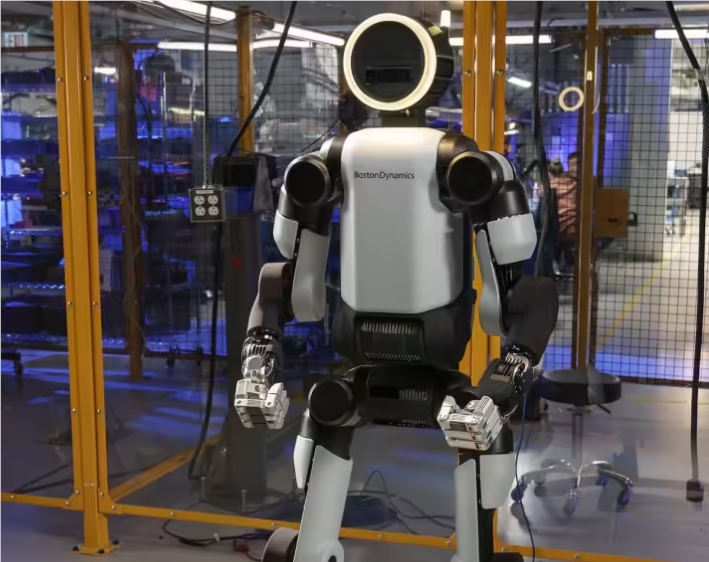
The future of manufacturing walked onto the CES stage today—literally. Boston Dynamics announced its Atlas humanoid robots have graduated from research labs to factory floors, with production lines already humming in the U.S. The company revealed all available units for 2026 have been claimed, primarily by Hyundai Motor and Google DeepMind.
From Showpiece to Shop Floor
These aren't your grandfather's assembly line machines. The production-model Atlas demonstrates startling autonomy:
- Learns new tasks faster than most interns
- Navigates dynamic environments without constant supervision
- Manages its own power needs—when batteries run low, it finds charging stations independently
The collaboration with Google DeepMind adds another layer of sophistication. "We're not just programming movements anymore," explained a Boston Dynamics engineer. "These robots understand why they're performing tasks and can adjust approaches when conditions change."
Hyundai Bets Big on Metal Colleagues
Hyundai Motor Group plans an ambitious rollout:
- $26 billion investment in dedicated robot production facilities
- Initial deployment target of 30,000 units
- First installations at Hyundai's robotic Metaplant application center
The automotive giant sees Atlas handling everything from delicate parts assembly to heavy material transport. "This isn't about replacing workers," emphasized a Hyundai spokesperson. "It's creating teams where humans oversee creative problem-solving while robots handle dangerous or repetitive tasks."
What This Means for Factories Tomorrow
The transition from prototype to production model solved critical challenges:
- Durability: Components withstand years of continuous operation
- Cost Efficiency: Mass production brings per-unit costs down significantly
- Interoperability: Seamless integration with existing manufacturing systems
As one factory manager put it: "We've had robot arms for decades. This is our first robot coworker that walks up and asks—well, doesn't exactly ask—what needs doing next."
Key Points:
- Commercial Milestone: Atlas moves beyond research into practical industrial use
- AI Partnership: Google DeepMind provides advanced cognitive capabilities
- Scale Ambitions: Hyundai's massive investment signals confidence in humanoid robotics
- Autonomy Leap: Self-charging and adaptive learning reduce supervision needs