
Bilibili's AI Voice Translation Breaks Language Barriers

Bilibili's AI Voice Translation Feature Revolutionizes Content Localization

Chinese video platform Bilibili has unveiled its groundbreaking AI Voice Translation Function, marking a significant leap in cross-cultural content sharing. The feature debuted following the platform's May 2025 decision to merge its international and domestic apps, addressing critical localization challenges.

How the Technology Works

The system delivers dual-core capabilities:

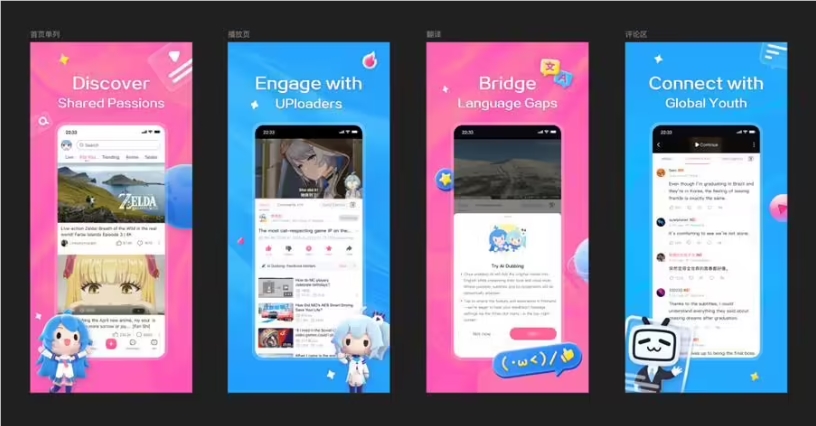
  • Visual translation: Automatically replaces Chinese subtitles with English translations, converts live comments in real-time, and adapts interface language
  • Audio translation: Preserves creators' unique vocal characteristics, including tone, speech patterns, and emotional inflection during English dubbing
Image

Technical Breakthroughs

Bilibili's engineering team overcame substantial hurdles in specialized content domains like gaming and anime, where proper nouns and internet slang abound. Their solution combines:

  • Large language model-based translation engine
  • Adversarial reinforcement learning for continuous improvement
  • Deep Research technology specifically optimized for cultural terminology

"The biggest challenge was maintaining original vocal styles while perfectly syncing translated audio durations," explained a Bilibili technical representative. "Traditional machine translations often sound robotic and lose emotional context."

Strategic Importance

The launch aligns with Bilibili's international expansion strategy. By eliminating separate apps for domestic and international users, the platform streamlined operations but faced intensified localization demands. This AI solution provides scalable answers to:

  • Content creator-audience relationship preservation
  • Cultural nuance retention
  • Real-time translation needs for live interactions

The company plans to expand language support soon, with Japanese localization already in development.

Industry Impact

Bilibili's innovation establishes new benchmarks for content platform globalization. Unlike manual translation approaches that struggle with scale or basic machine translations that sacrifice quality, this hybrid AI solution offers:

  1. Cost-effective mass localization
  2. Authentic creator voice preservation
  3. Cultural context awareness
  4. Real-time processing capabilities

The technology could reshape how Chinese cultural content—particularly in gaming, anime, and tech—reaches global audiences while maintaining authentic expression.

Key Points:

  • First major deployment focuses on English translation
  • Uses adversarial learning to improve proper noun handling
  • Maintains emotional connection between creators/fans
  • Part of broader internationalization strategy
  • Potential model for other content platforms

Enjoyed this article?

Subscribe to our newsletter for the latest AI news, product reviews, and project recommendations delivered to your inbox weekly.

Weekly digestFree foreverUnsubscribe anytime

Related Articles

News

Bangalore AI Startup Bolna Raises $6.3M to Revolutionize Multilingual Calls

Bangalore-based Bolna has secured $6.3 million in seed funding led by General Catalyst, with participation from Y Combinator and Blume Ventures. The voice AI startup specializes in multilingual smart calls for businesses, boasting explosive growth since its May 2025 launch - from 1,500 daily calls to over 200,000. With plans to expand its team and enhance dialect technologies, Bolna aims for $5M annual revenue by mid-2026.

January 21, 2026
AI startupsvoice technologybusiness automation
News

Huawei's AI Glasses: A Clear Vision of Smart Wearables' Future

Huawei is set to redefine smart glasses with its upcoming AI-powered model launching mid-2026. These sleek frames pack serious tech - HD photography, HarmonyOS integration, and real-time translation that could make language barriers vanish. With triple battery power and cross-device functionality, they're positioning themselves as essential companions rather than just accessories. Industry watchers see this as Huawei's bold move to establish glasses as the next must-have smart device after phones and watches.

January 20, 2026
wearable techAI translationHarmonyOS
News

Bilibili Bets Big on AI to Capture Young Consumers

China's Gen Z video platform Bilibili is doubling down on AI-powered marketing tools as its core user base enters prime spending years. The newly launched 'Bilibili Reach' platform promises smarter ad targeting and performance tracking, while the company shifts toward building an internal commerce ecosystem. With users now averaging 26 years old and spending nearly two hours daily on the platform, Bilibili aims to transform its youthful community into a commercial powerhouse.

January 16, 2026
BilibiliAI marketingGen Z consumers
Alibaba's Qwen Now Lets You Order Food and Book Trips With Simple Voice Commands
News

Alibaba's Qwen Now Lets You Order Food and Book Trips With Simple Voice Commands

Alibaba's Qwen app has taken a major leap forward, seamlessly integrating with Taobao, Alipay, and other services to enable voice-activated shopping, food delivery, and travel bookings. During a live demo, the AI assistant successfully ordered 40 bubble tea drinks with just one sentence. The update introduces over 400 new AI-powered functions that promise to transform how we handle daily tasks.

January 15, 2026
AI assistantsAlibabavoice technology
News

AI Takes Your Dinner Reservations Now - And You Won't Know It's Not Human

Qwen App's new integration with Gaodu Street Ranking brings surprisingly human-like AI voice booking to restaurants. Just describe your needs - whether it's a lakeside table for six or special baby chair requests - and the AI handles everything from filtering options to making the actual phone call. Early users report the interactions feel completely natural, with full transparency through text transcripts and audio recordings.

January 15, 2026
AI assistantsvoice technologysmart dining
News

Robots Get a Voice: Zhixuan Teams Up With MiniMax for Lifelike Speech

Zhixuan Robotics is partnering with AI firm MiniMax to give its humanoid robots remarkably human-like voices. The collaboration will integrate advanced text-to-speech technology, enabling robots to converse naturally, express emotions, and interact smoothly even in noisy environments. This move signals a shift in robotics - where voice isn't just an add-on, but becomes central to how machines connect with people.

January 5, 2026
AI roboticsvoice technologyhuman-computer interaction