Beijing Greenlights 15 New AI Services in Latest Tech Push
Beijing Expands AI Ecosystem with 15 New Services
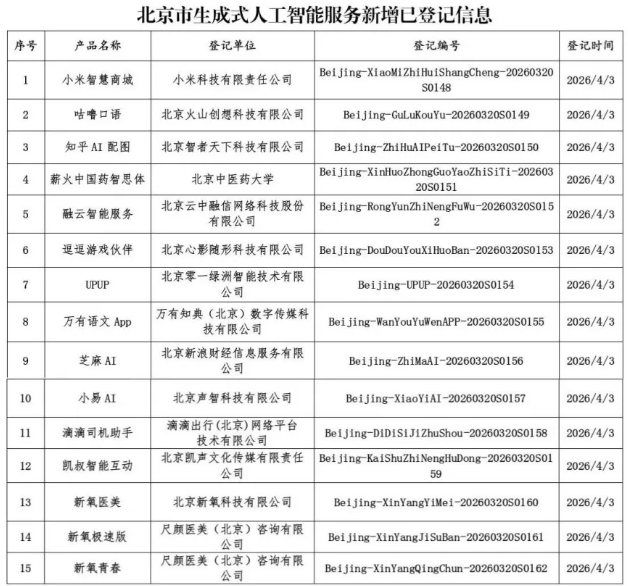
In a move that signals both technological progress and regulatory oversight, Beijing has approved 15 new generative AI services for public use. The registrations come as part of China's ongoing effort to foster AI innovation while maintaining control over the rapidly developing sector.
Regulatory Framework Takes Shape
The newly registered services operate under the "Interim Measures for the Administration of Generative AI Services," which establishes clear guidelines for developers. Unlike previous models that operated in regulatory gray areas, these services have undergone official vetting processes and received launch authorization numbers.
"This isn't just about giving the green light to new technology," explains tech policy analyst Li Wei. "It's about creating a framework where innovation can thrive responsibly. The registration system provides clarity for developers while protecting users."
Transparency Requirements
All approved services must now:
- Display registration numbers prominently
- Clearly mark AI-generated content
- Comply with synthetic content identification rules
The requirements address growing concerns about distinguishing human-created from machine-generated material - a challenge that's become increasingly important in education, journalism, and creative fields.
What This Means for Users
For Beijing residents and Chinese internet users, the newly registered services promise:
- More diverse AI tools for work and creativity
- Greater confidence in service reliability
- Clearer understanding of content origins
While exact details about the specific services remain limited, industry observers note they likely include applications for content creation, customer service automation, and data analysis.
Balancing Act: Innovation vs Regulation
The approvals represent China's distinctive approach to AI governance - encouraging domestic technological advancement while maintaining strict oversight. This contrasts with more laissez-faire approaches seen elsewhere but aligns with Beijing's broader tech sector policies.
As these services roll out, they'll face both opportunities and challenges. The registration system provides legal certainty but also imposes compliance costs that could disadvantage smaller developers.
Key Points:
- 15 new generative AI services approved in Beijing
- Services operate under new regulatory framework
- Mandatory identification of AI-generated content
- Part of China's balanced approach to tech development
- Signals maturing domestic AI ecosystem