Baidu's Wenxin App Pioneers AI Group Chat with Multiple Virtual Assistants

Baidu Takes Group Chats to the Next Level with AI Assistants

Imagine a group chat where not just your friends participate, but also helpful virtual assistants ready with advice—without anyone needing to call them out by name. That's exactly what Baidu's Wenxin App has begun testing this week.

A First for China's AI Landscape

The new feature, launched January 27 in beta testing, introduces what Baidu calls "multiple people, multiple Agents" functionality. It represents China's first implementation of AI-powered group chat capabilities that go beyond basic chatbots.

What makes this different? Traditional AI assistants typically wait passively for direct questions or commands. Wenxin's approach creates digital spaces where:

  • Specialized virtual agents can join conversations naturally
  • AI participates contextually, understanding when to contribute
  • Multiple expertise areas combine seamlessly in one chat

How It Works: Smarter Digital Conversations

The technology allows users to activate various "vertical category Agents"—think of them as specialized digital teammates. A single conversation might include:

  1. A group chat assistant helping organize plans
  2. A health manager offering wellness tips during relevant discussions
  3. Other role-specific bots joining when their expertise applies

The real innovation lies in how these virtual participants engage. Unlike simple chatbots that respond only when summoned (@mentioned), Wenxin's assistants:

  • Analyze conversation flow and context deeply
  • Identify natural openings to contribute valuable input
  • Maintain awareness of when their input would be welcome versus intrusive

Practical Applications Emerging

Early testers report the system shines in two key scenarios:

Family Chats: Planning a reunion? The travel assistant might automatically suggest flight options while the calendar helper coordinates dates.

Work Collaboration: Brainstorming sessions benefit from research assistants surfacing relevant data points exactly when needed.

The technology hints at future possibilities where our digital conversations become more productive without feeling mechanical or forced.

The beta test currently runs with selected users as Baidu refines the experience before wider release.

Key Points:

  • Baidu Wenxin launches China's first multi-agent group chat feature
  • Specialized AI assistants join conversations proactively based on context
  • System moves beyond Q&A format toward collaborative digital spaces
  • Currently available in limited beta testing
Enjoyed this article?

Subscribe to our newsletter for the latest AI news, product reviews, and project recommendations delivered to your inbox weekly.

Weekly digestFree foreverUnsubscribe anytime

Related Articles

DeepSeek-OCR 2 Launches with Human-Like Document Reading
News

DeepSeek-OCR 2 Launches with Human-Like Document Reading

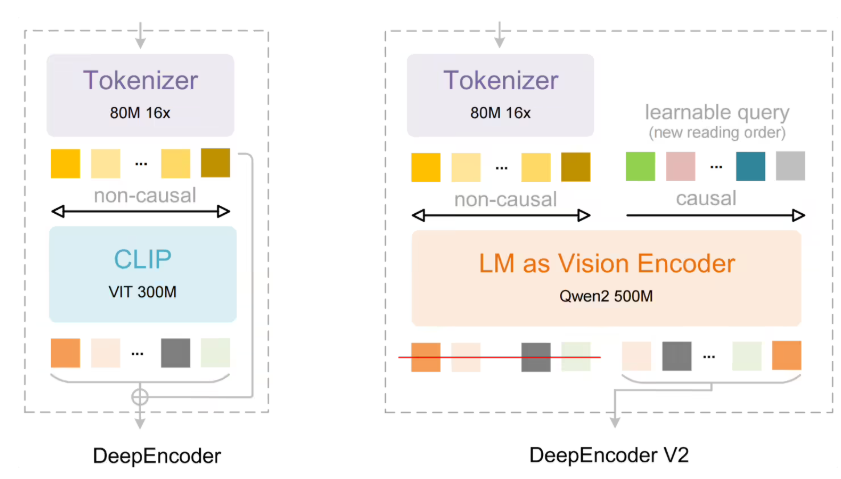
DeepSeek has unveiled its next-generation OCR model that mimics how humans naturally read documents. The breakthrough technology, called 'visual causal flow,' allows the system to dynamically adjust its reading pattern based on content meaning rather than rigidly scanning left-to-right. Early tests show a 3.7% accuracy boost over previous versions, particularly in handling complex layouts like tables and formulas. What makes this exciting? It's not just about better accuracy - the model delivers more logically structured output while keeping resource usage low.

January 27, 2026
OCRAI innovationdocument processing
Small AI Model Packs Big Punch: Step3-VL-10B Challenges Giants
News

Small AI Model Packs Big Punch: Step3-VL-10B Challenges Giants

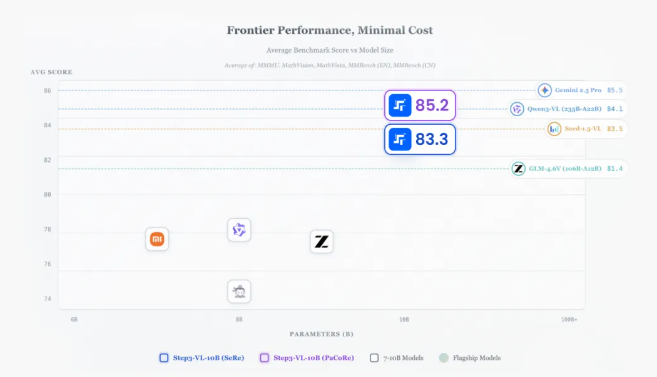
StepZen's new open-source vision-language model Step3-VL-10B is turning heads in AI circles. Despite its compact 10 billion parameters, it's outperforming models twenty times its size in visual reasoning and math competitions. The secret? Innovative training techniques that could revolutionize how we deploy AI on everyday devices.

January 20, 2026
AI innovationcomputer visionedge computing
News

AliHealth's Hydrogen Ion AI Aims to Revolutionize Medical Assistance

AliHealth has introduced Hydrogen Ion, an AI assistant designed specifically for medical professionals. This tool stands out for its remarkably low hallucination rate, offering evidence-based answers with traceable sources. Early testing shows promising results in tasks like literature analysis and clinical evidence integration, potentially setting a new standard for AI in healthcare.

January 19, 2026
medical AIhealthcare technologyAI innovation
Meituan's New AI Model Thinks Like Humans - And It's Free to Try
News

Meituan's New AI Model Thinks Like Humans - And It's Free to Try

Meituan's LongCat team has unveiled its latest AI breakthrough - the LongCat-Flash-Thinking-2601 model. This open-source tool excels at complex problem-solving by mimicking human thought processes, scoring perfect marks in math tests and ranking among the top programming AIs. What makes it special? A unique 'rethinking mode' that breaks down problems like humans do. Developers can now access the technology for free, potentially changing how we approach AI-assisted tasks.

January 16, 2026
AI innovationopen-source techcognitive computing
News

AI Speeds Up Metal Design: Jiao Tong & Xiaomi Cut Light Alloy Development Time by 90%

In a groundbreaking collaboration, Shanghai Jiao Tong University and Xiaomi have unveiled an AI platform that's transforming materials science. Their new system uses specialized AI agents to design lightweight alloys in hours instead of months - perfect for electric vehicles and aerospace. The secret sauce? A team of digital 'experts' that brainstorm together like human researchers, but at silicon speed.

January 16, 2026
AI innovationmaterials sciencelightweight alloys
Zoom Stuns AI World with Smart Strategy That Beats Tech Giants
News

Zoom Stuns AI World with Smart Strategy That Beats Tech Giants

In an unexpected twist, video conferencing leader Zoom has outperformed AI heavyweights like Google and OpenAI in a prestigious benchmark test. Rather than building massive models, Zoom's secret weapon is a clever 'federated AI' approach that combines existing technologies intelligently. While some critics dismiss it as mere repackaging, others see genius in this capital-efficient strategy that could reshape how companies approach AI.

January 16, 2026
AI innovationEnterprise technologyMachine learning