Baidu's ERNIE Bot 5.0 Breaks New Ground with Brain-Like AI Capabilities
Baidu's Latest AI Marvel Thinks Like Humans Do
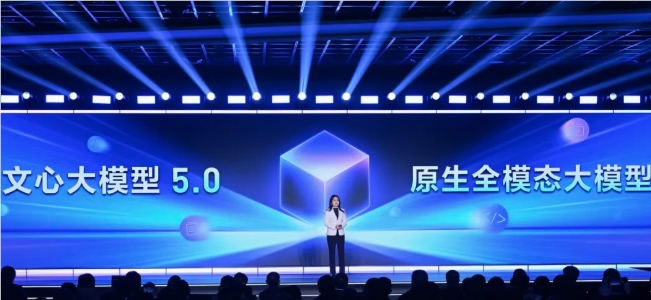
At today's highly anticipated Baidu Wenxin Moment conference, the Chinese tech giant pulled back the curtain on what might be its most impressive AI creation yet: ERNIE Bot 5.0. This isn't just another incremental update - it represents a fundamental shift in how artificial intelligence processes information.
The Brain-Inspired Breakthrough
What sets ERNIE Bot 5.0 apart is its "native full-modal" architecture. Imagine trying to understand a movie by separately analyzing the script, soundtrack and visuals - that's essentially how most current AI systems operate. Baidu's new approach instead mirrors human cognition by processing text, images, video and audio simultaneously within a single framework.
"This isn't just multimodal - it's genuinely unified," explains Dr. Li Wei, Baidu's chief AI researcher. "The model learns relationships between different types of data organically, much like our brains do."
Real-World Magic
The practical applications are staggering:
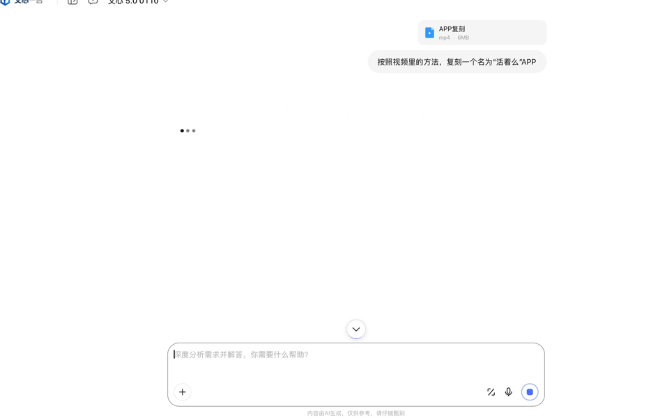
- Watch a short tutorial video for a mobile app? ERNIE can extract the interaction logic and spit out functional front-end code.
- Need content in Shakespearean English or Tang Dynasty poetry style? The AI adapts seamlessly while maintaining modern business relevance.
- Creative writing and programming tasks become almost effortless collaborations between human and machine.
Why This Matters
The implications extend far beyond technical benchmarks:
- Natural Interaction: Responses feel less robotic as the AI understands context across multiple senses
- Learning Efficiency: Unified training means faster adaptation to new tasks
- Creative Potential: Blending modalities opens doors we haven't even imagined yet
The launch positions Baidu at the forefront of what many consider AI's next evolutionary step - systems that don't just process information but understand it holistically.
Key Points:
- 2.4 trillion parameters make this one of largest AI models ever created
- Native full-modal architecture processes multiple data types simultaneously
- Practical applications range from coding assistance to creative content generation
- Human-like understanding through unified training approach