Arduino's VENTUNO Q: A Powerhouse for Edge AI and Robotics
Arduino Unveils Game-Changing Edge AI Board
Just ahead of the Embedded World conference, Arduino dropped exciting news - their new VENTUNO Q single-board computer promises to revolutionize edge AI development. Named to celebrate Arduino's 21st anniversary ("ventuno" means 21 in Italian), this isn't your typical microcontroller board.
Qualcomm-Powered Performance
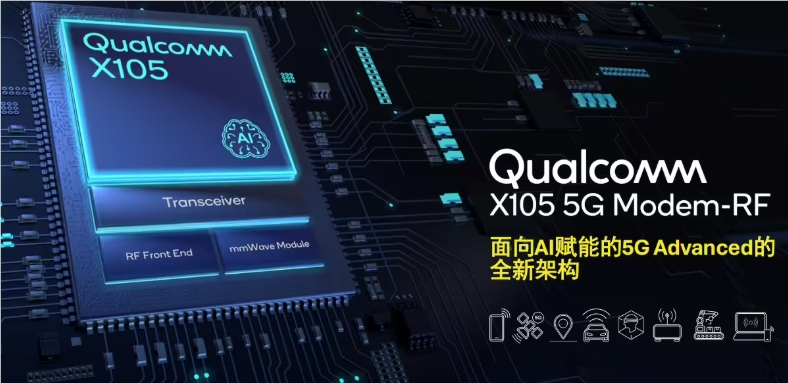
The VENTUNO Q packs serious muscle thanks to Qualcomm's Dragonwing IQ-8275 processor. What makes it special? A dual-core architecture combining:
- Main processing core with NPU acceleration hitting 40 TOPS
- Dedicated STM32H5 microcontroller handling real-time motion control
- 16GB memory enabling offline operation of complex AI models
Imagine running large language models or computer vision systems completely offline - that's the power this board brings to makers and developers.
From Concept to Reality: Practical Applications
The VENTUNO Q opens doors to projects that were previously impractical:
Smart Interactive Devices: Build tourist kiosks with offline voice assistants or gesture-controlled care terminals.
Advanced Robotics: Create service robots that can visually navigate spaces and recognize their owners.
Industrial Solutions: Develop quality inspection systems that detect microscopic defects using local AI.
Developer-Friendly Ecosystem
Arduino understands developers hate wrestling with setup issues. Their new Arduino App Lab provides:
- Support for classic Arduino sketches AND Python scripts
- Ubuntu/Debian compatibility for easy open-source integration
- Native support for CAN-FD, ROS 2, and Raspberry Pi HAT standards
The board's expandability makes it ideal for prototyping moving machines - hence Arduino calling it "designed specifically for moving machines."
Coming Soon: Expected Impact
The VENTUNO Q is slated for release in Q2 2026. When Arduino's user-friendly approach meets Qualcomm's raw computing power, we might finally see edge AI reach its full potential across education, research, and industrial applications.
The maker community now has a powerful new tool - one that could spark innovations we haven't even imagined yet.