Alibaba's Vivid-VR: AI Video Restoration Goes Open-Source
Alibaba Cloud Open-Sources Cutting-Edge Video Restoration Tool
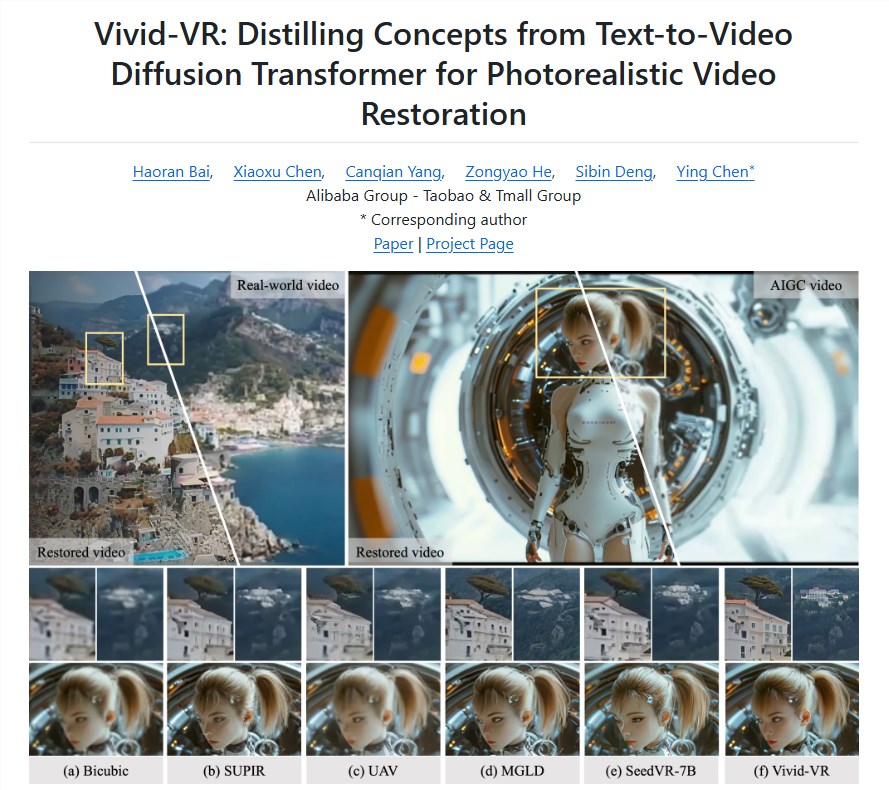
Alibaba Cloud has made its Vivid-VR generative video restoration tool publicly available as open-source software. This technological breakthrough leverages advanced text-to-video (T2V) models integrated with ControlNet technology to deliver unprecedented frame consistency in restored video content.

Technical Innovation Behind Vivid-VR
The system's architecture represents a significant leap in video processing:
- T2V Foundation Model: Generates high-quality video content through deep learning algorithms
- ControlNet Integration: Maintains temporal consistency across frames, eliminating common artifacts
- Dynamic Semantic Adjustment: Enhances texture realism during the generation process
"What sets Vivid-VR apart is its ability to maintain visual stability while dramatically improving restoration efficiency," explains the development team. Early tests show the tool can process both traditionally captured footage and AI-generated content with equal effectiveness.
Broad Industry Applications
The tool demonstrates particular value for:
- Content creators repairing low-quality source material
- Post-production teams optimizing AI-generated videos
- Archival projects restoring historical footage
- Social media platforms enhancing user-generated content
Supporting multiple input formats, Vivid-VR allows parameter customization for specific use cases, making it adaptable across creative and technical workflows.
Open-Source Accessibility
Alibaba Cloud has released Vivid-VR through multiple platforms:
- GitHub (primary code repository)
- Hugging Face (model sharing)
- ModelScope (Alibaba's model hub)
This follows the company's successful Wan2.1 series, which garnered over 2.2 million downloads. The open-source approach significantly lowers the barrier to entry for developers worldwide.
Industry Impact Analysis
The 2025 digital landscape increasingly relies on video content, yet quality issues persist:
- 78% of creators report struggling with inconsistent footage quality (AIbase 2025 survey)
- AIGC platforms see 42% user attrition due to generation artifacts
Vivid-VR addresses these pain points while potentially creating new revenue streams in:
- Automated video enhancement services
- Legacy media restoration businesses
- Real-time processing applications
The tool's release coincides with growing demand for AI-assisted creative tools, projected to become a $27 billion market by 2027 (Gartner).
Key Points:
- Frame Consistency: Advanced ControlNet integration eliminates flickering and shaking artifacts
- Dual Compatibility: Processes both traditional video and AIGC content effectively
- Open Ecosystem: Full access to models and code via major developer platforms
- Customization Options: Adjustable parameters for specialized use cases
- Industry Transformation: Potential to redefine video quality standards across multiple sectors