Alibaba's New AI Can Craft Unique Faces and Write Papers Like a Human

Alibaba's AI Breakthrough: Beyond Generic Faces and Robotic Text

Gone are the days of spotting AI-generated faces by their telltale sameness. Alibaba's newly launched Wan2.7-Image model brings unprecedented personalization to digital creation, blending artistic flair with technical precision.

Your Face, Pixel by Pixel
Image

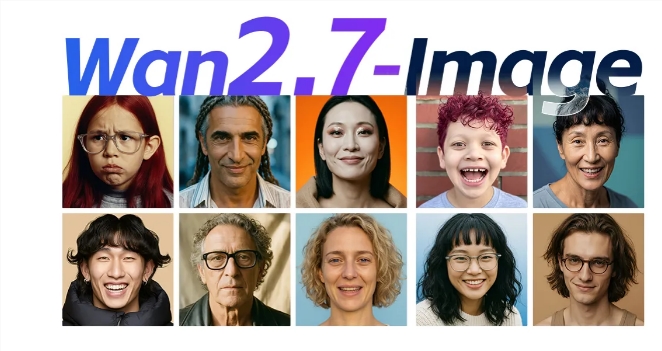
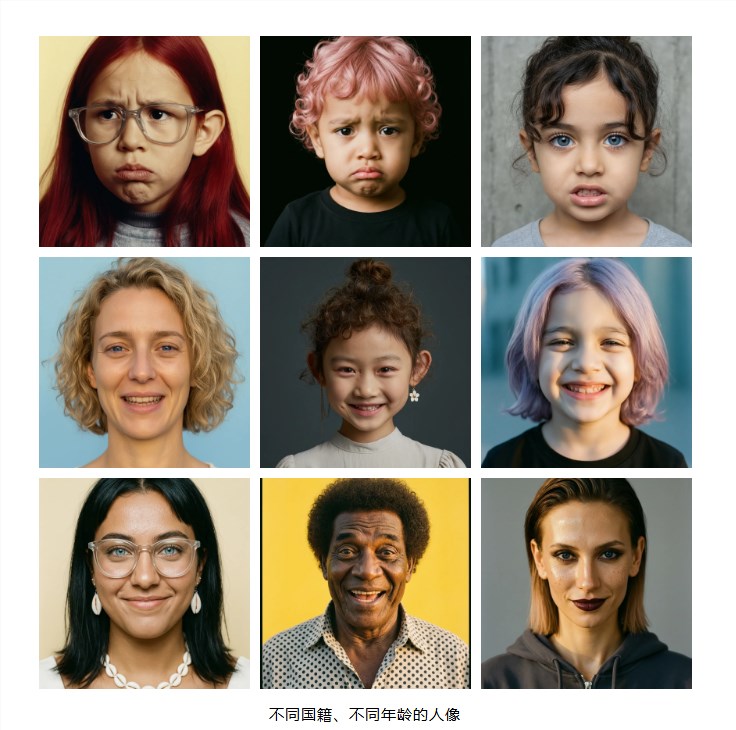
The model's virtual character customization feels almost like digital genetics. Want phoenix eyes with deep-set sockets on an oval face? Done. The system handles everything from broad bone structure to subtle facial quirks that typically stump AI generators. No more uncanny valley—just distinct, believable faces.

When AI Masters Art and Academia

Image

Artists will appreciate the 'Color Palette' feature that extracts and transfers color schemes from masterpieces—imagine applying Van Gogh's vibrant yellows to your own work with a click. But the real showstopper? The model can generate an entire A4 page of publication-ready content, complete with complex formulas and tables in 12 languages.

Edit Like You're Working With Clay
Image

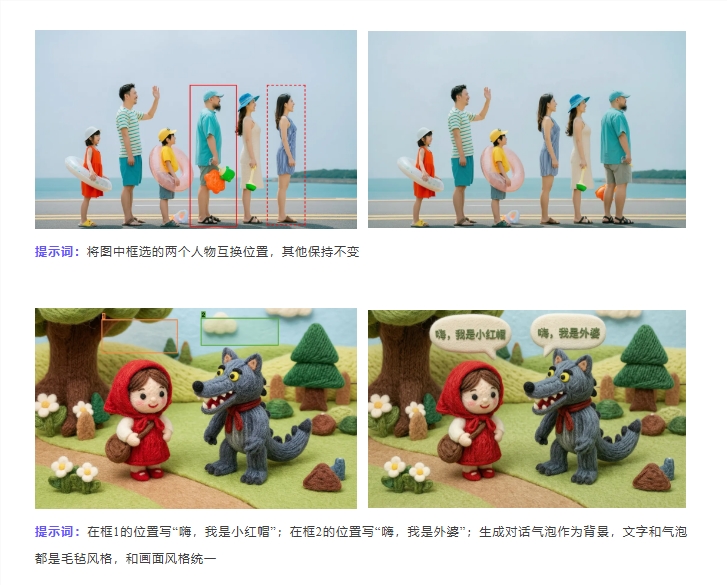
Need to swap elements in an image? Wan2.7-Image makes it as simple as selecting and dragging—replace ice cubes with fruit or rearrange characters while maintaining perfect consistency across multiple images (up to nine at once). This pixel-level control opens new possibilities for designers and content creators.

The Tech Behind the Magic
Image

The secret sauce lies in Wan2.7-Image's unified architecture that bridges generation and understanding. Unlike traditional models that guess text-to-pixel matches, this system operates in a shared semantic space—it actually comprehends what it's creating.

Already transforming industries from e-commerce (one product shoot for endless variations) to entertainment (single actors playing multiple roles), the technology is accessible via Alibaba Cloud BaiLian Platform or Wanxiang's official website.

Key Points:

  • Hyper-realistic customization: Control facial features down to minute details
  • Artistic flexibility: Reproduce color schemes from famous artworks effortlessly
  • Academic prowess: Generates print-ready documents with complex formatting
  • Intuitive editing: Pixel-perfect control over image elements
  • Multi-image consistency: Maintains style across up to nine generated images
Enjoyed this article?

Subscribe to our newsletter for the latest AI news, product reviews, and project recommendations delivered to your inbox weekly.

Weekly digestFree foreverUnsubscribe anytime

Related Articles

Qwen3.5-Omni Ushers in a New Era of AI with Multimodal Mastery
News

Qwen3.5-Omni Ushers in a New Era of AI with Multimodal Mastery

Tongyi Lab's latest AI model, Qwen3.5-Omni, has set a new benchmark with 215 state-of-the-art achievements. This multimodal powerhouse seamlessly processes text, images, audio, and video, outperforming competitors like Gemini-3.1Pro in audio understanding while maintaining top-tier visual and text capabilities. Its innovative Hybrid-Attention MoE architecture enables processing of lengthy audio and video content with remarkable precision. From real-time voice control to personalized voice cloning, Qwen3.5-Omni is redefining how we interact with technology.

March 31, 2026
AI innovationmultimodal AIvoice technology
Lenovo's Tianxi AI Claw Opens Beta Testing – Get Hands-On with Cloud-Powered Tech
News

Lenovo's Tianxi AI Claw Opens Beta Testing – Get Hands-On with Cloud-Powered Tech

Lenovo has launched beta testing for its innovative Tianxi AI Claw, offering users free access to cloud-based large model technology. The hybrid edge-cloud system keeps tasks running even when devices are off, promising seamless productivity. Interested participants can apply through a simple process to experience this cutting-edge tool that blends local computing with cloud resources.

March 31, 2026
AI innovationcloud computingproductivity tools
News

AI Takes a Leap: MiniMax's New Model Can Now Improve Itself

MiniMax has unveiled M2.7, a groundbreaking AI model that actively participates in its own development. Unlike traditional models that rely solely on human programmers, M2.7 can build testing frameworks, collaborate with other AI agents, and optimize its performance autonomously. This self-improving capability could significantly enhance how AI handles complex tasks. Meanwhile, the AI industry continues to evolve rapidly, with major players securing funding and adjusting prices in response to growing demand.

March 18, 2026
AI innovationself-learning systemsMiniMax
NVIDIA's Nemotron 3 Series: AI Gets a Fivefold Speed Boost
News

NVIDIA's Nemotron 3 Series: AI Gets a Fivefold Speed Boost

At the 2026 GTC conference, NVIDIA unveiled its Nemotron 3 series of open-source AI models, with the flagship Ultra version delivering five times faster processing. The release also includes innovative multimodal tools for audio-visual integration and real-time conversation, plus breakthroughs in robotics and medical research. Major industry players are already adopting these cutting-edge technologies.

March 17, 2026
AI innovationNVIDIAmachine learning
News

NVIDIA Takes AI to Space with New Orbital Computing Platform

NVIDIA has launched its groundbreaking Space Computing Service at the 2026 GTC conference, bringing advanced AI capabilities directly to low Earth orbit. The initiative features specialized hardware including the powerful Space-1 Vera Rubin Module and edge computing platforms IGX Thor and Jetson Orin. This technological leap transforms satellites from simple relays into intelligent orbital data centers capable of real-time decision making - potentially revolutionizing space operations and geospatial analysis.

March 17, 2026
space technologyAI innovationedge computing
News

Google's AI Turns News Reports into Flood Warnings for Vulnerable Regions

Google has developed an innovative flood prediction system by analyzing millions of news articles with its Gemini AI. The technology transforms qualitative reports into quantitative data, creating early warnings for areas lacking traditional weather monitoring. Already implemented in 150 countries, this approach marks a breakthrough in using language models for disaster prevention while addressing global inequality in weather forecasting capabilities.

March 13, 2026
AI innovationdisaster preventionclimate technology