NVIDIA Takes AI to Space with New Orbital Computing Platform

NVIDIA Propels AI Into Orbit With Space Computing Breakthrough

At this year's GTC conference, NVIDIA made cosmic waves by unveiling its Space Computing Service - a bold initiative that extends artificial intelligence beyond Earth's atmosphere. This isn't just another tech announcement; it represents a fundamental shift in how we'll process data in space.

Engineering for the Final Frontier

The challenges of space demand radical innovation. Radiation, extreme temperatures, and strict size/weight limitations require solutions far beyond terrestrial data centers. NVIDIA answered with:

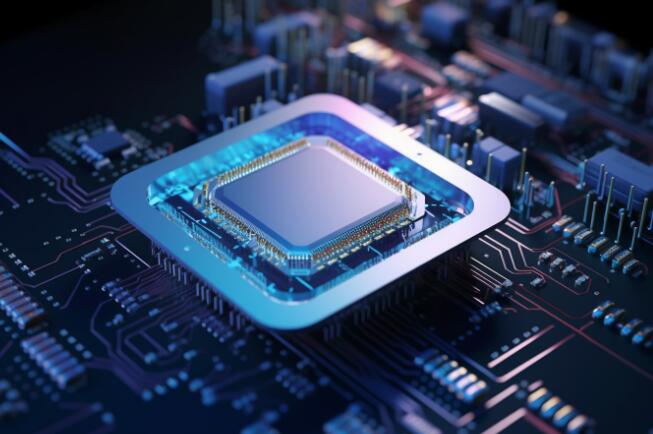
  • Space-1 Vera Rubin Module: The star performer delivering up to 25x more AI computing power than H100 GPUs in orbital conditions
  • IGX Thor & Jetson Orin: Compact but mighty edge platforms designed specifically for resource-limited space environments

"Intelligence needs to live where data is born," explained NVIDIA founder Jensen Huang during his keynote. "We're turning satellites from dumb pipes into thinking orbital machines."

Why This Changes Everything

The implications are staggering:

  1. Real-time space decisions: No more waiting for signals to travel hundreds of miles - satellites can analyze and react instantly
  2. Smarter Earth observation: Imagine environmental monitoring that spots oil spills or deforestation patterns autonomously
  3. Next-gen space stations: Future orbital habitats could self-diagnose issues and optimize operations without ground control
  4. Faster disaster response: Emergency mapping could happen literally overhead during crises

The service promises to slash communication delays that currently plague space-ground data transfers while establishing new standards for extraterrestrial computing.

Partnering Across the Cosmos

NVIDIA isn't going solo on this cosmic journey. The company revealed collaborations with major aerospace players to define what Huang calls "the rulebook for computing's final frontier." While specific partners remain confidential, industry analysts speculate involvement from satellite operators and emerging commercial space stations.

The race to put serious computing power in orbit has officially begun - and NVIDIA just fired the starting pistol.

Key Points:

  • NVIDIA's Space Computing Service brings AI processing directly to low Earth orbit
  • Specialized hardware overcomes unique challenges of space environments
  • Transforms satellites from relays into intelligent orbital data centers
  • Enables real-time analysis without ground station delays
  • Partnership approach aims to establish industry-wide standards
Enjoyed this article?

Subscribe to our newsletter for the latest AI news, product reviews, and project recommendations delivered to your inbox weekly.

Weekly digestFree foreverUnsubscribe anytime

Related Articles

NVIDIA's Nemotron 3 Series: AI Gets a Fivefold Speed Boost
News

NVIDIA's Nemotron 3 Series: AI Gets a Fivefold Speed Boost

At the 2026 GTC conference, NVIDIA unveiled its Nemotron 3 series of open-source AI models, with the flagship Ultra version delivering five times faster processing. The release also includes innovative multimodal tools for audio-visual integration and real-time conversation, plus breakthroughs in robotics and medical research. Major industry players are already adopting these cutting-edge technologies.

March 17, 2026
AI innovationNVIDIAmachine learning
NVIDIA's Rubin AI Platform Debuts with Stunning 5x Performance Leap
News

NVIDIA's Rubin AI Platform Debuts with Stunning 5x Performance Leap

NVIDIA has unveiled its groundbreaking Rubin AI acceleration platform at GTC 2026, marking a major evolution in computing power. Built on TSMC's cutting-edge 3nm process with 36 billion transistors, Rubin delivers five times the performance of its predecessor while slashing power consumption. The platform combines six chips working in harmony, including new Vera CPUs and dual GPUs, pushing AI training capabilities into new territory. With Rubin Ultra already on the roadmap for 2027, NVIDIA continues to redefine what's possible in artificial intelligence hardware.

March 17, 2026
AI HardwareNVIDIASemiconductor Innovation
News

NVIDIA's DLSS 5 Brings AI-Powered Hollywood Graphics to Gaming

NVIDIA has unveiled DLSS 5, marking a revolutionary shift in real-time graphics rendering. By harnessing neural networks, games can now achieve Hollywood-quality lighting and textures without crushing performance. CEO Jensen Huang calls this graphics' 'GPT moment,' while the company eyes trillion-dollar revenue from its Blackwell and Rubin chips. Major automakers are also adopting NVIDIA's tech for next-gen autonomous vehicles.

March 17, 2026
NVIDIAAI graphicsDLSS5
NVIDIA's NemoClaw Brings One-Click AI to OpenClaw Ecosystem
News

NVIDIA's NemoClaw Brings One-Click AI to OpenClaw Ecosystem

NVIDIA has unveiled NemoClaw, a game-changing toolkit that simplifies AI agent deployment for the OpenClaw platform. With just one command, users can now install powerful AI models like Nemotron and OpenShell runtime. The solution addresses critical privacy concerns with isolated sandboxes and hybrid model strategies while supporting everything from consumer devices to enterprise supercomputers. NVIDIA CEO Jensen Huang calls it the 'AI operating system' of our era.

March 17, 2026
AINVIDIAOpenClaw
IBM's Granite 4.0 Speech Model: Smaller Size, Bigger Performance
News

IBM's Granite 4.0 Speech Model: Smaller Size, Bigger Performance

IBM has unveiled Granite 4.0 1B Speech, a compact yet powerful multilingual speech recognition model designed for edge computing. Half the size of its predecessor, it delivers improved accuracy while supporting Japanese ASR and English-Chinese translation. The innovative two-stage architecture allows flexible deployment on resource-constrained devices, topping benchmarks with an impressive 5.52% word error rate.

March 16, 2026
IBMspeech recognitionedge computing
News

Google's AI Turns News Reports into Flood Warnings for Vulnerable Regions

Google has developed an innovative flood prediction system by analyzing millions of news articles with its Gemini AI. The technology transforms qualitative reports into quantitative data, creating early warnings for areas lacking traditional weather monitoring. Already implemented in 150 countries, this approach marks a breakthrough in using language models for disaster prevention while addressing global inequality in weather forecasting capabilities.

March 13, 2026
AI innovationdisaster preventionclimate technology