Alibaba's AI Leadership Shake-Up: Qwen Head Departs as Company Doubles Down on Models
Alibaba Restructures AI Leadership Amid Key Departure
In a move that sent ripples through China's tech community, Alibaba Group confirmed Tuesday that Lin Jinyang, the driving force behind its Qwen large language model, has left the company. The announcement came via an internal email from CEO Wu Yongming, who simultaneously revealed plans to establish a new Basic Model Support Team.
The Departure That Sparked Conversations
Lin's exit became public knowledge when he posted a simple yet emotional message on X (formerly Twitter) on March 4: "Goodbye, my dear Qwen." The social media farewell quickly gained traction among industry watchers. Ironically, his departure coincided with what might be considered his team's crowning achievement - the release of Qwen3.5 small model.
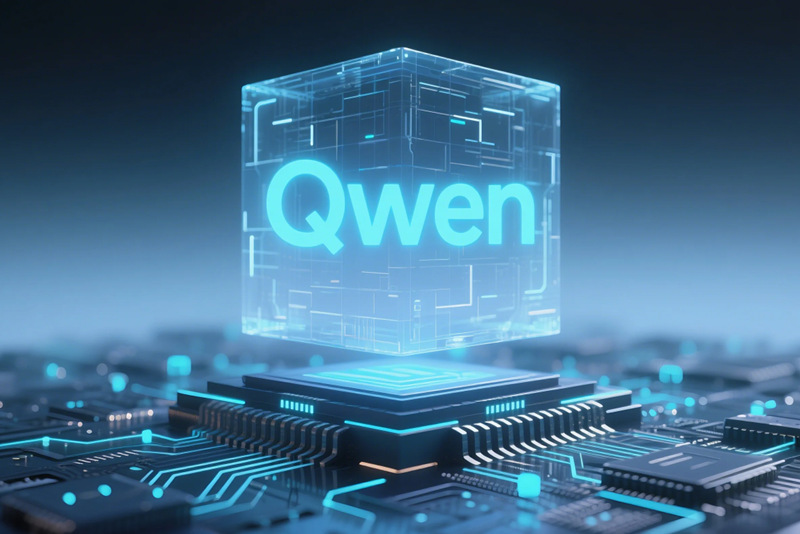
The compact yet powerful model earned rare praise from none other than Elon Musk, adding weight to speculation about Lin's next career move. While Alibaba hasn't disclosed reasons for his departure, insiders suggest it reflects the intense competition for top AI talent globally.
Alibaba's Countermove: Strength Through Structure
Rather than slowing down, Alibaba appears determined to accelerate its AI ambitions through structural changes. Wu Yongming outlined three key adjustments:
- Zhou Jingren will take over leadership of Tongyi Lab operations
- A new Basic Model Support Team will coordinate resources across divisions
- The company reaffirmed its commitment to open-source strategies
The newly formed team represents more than bureaucratic reshuffling - it signals Alibaba's recognition that sustaining AI leadership requires institutional support beyond individual brilliance.
"This isn't about replacing one star with another," noted TechInsight analyst Miranda Zhao. "Alibaba is betting that systematic support will prove more durable than hero-driven projects in the marathon of AI development."
Global Context: Why This Matters Now
The reorganization comes at a pivotal moment:
- Intensifying Competition: Both Chinese and Western tech giants are pouring billions into generative AI
- Talent Wars: Top researchers command unprecedented compensation packages
- Strategic Shifts: Companies balance between proprietary development and open-source contributions
Alibaba's dual approach - maintaining open-source commitments while strengthening internal coordination - suggests they're preparing for multiple competitive scenarios.
What Comes Next?
Industry observers will watch for:
- How quickly Zhou Jingren can establish his leadership at Tongyi Lab
- Whether the Basic Model Support Team can deliver tangible efficiency gains
- Where Lin Jinyang surfaces next (with many expecting him to launch his own venture)
The chess pieces are moving rapidly in China's AI landscape, and Alibaba just made one of its boldest plays yet.
Key Points:
- Leadership Change: Lin Jinyang departs after successful Qwen3.5 launch
- Structural Response: New Basic Model Support Team created under CEO oversight
- Strategic Consistency: Open-source approach maintained despite personnel shifts
- Industry Context: Move reflects broader transition from individual-driven to institutional AI development