AI Visionary Xie Saining Unveils Solaris: A $3.5 Billion Leap in Multiplayer Video Worlds
A New Era in Virtual Interaction
On March 11, 2026, AI luminary Xie Saining and his team unveiled Solaris, shattering previous limitations in video generation technology. This isn't just another incremental improvement - it's a fundamental shift from solitary experiences to rich, collaborative virtual worlds.
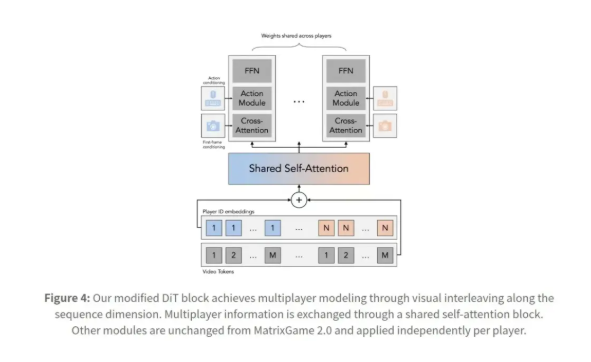
The Technology Behind the Breakthrough
At its core, Solaris builds upon Matrix-Game2.0's open-source framework but introduces a game-changing innovation: the multiplayer self-attention layer. Imagine playing Minecraft where every player's actions instantly affect the shared environment without visual glitches or inconsistencies - that's the promise Solaris delivers.
The model excels where others stumble:
- Maintaining building consistency when multiple users modify structures simultaneously
- Ensuring seamless visual alignment across all participants' perspectives
- Preventing environment collapse during complex interactions
Big Names, Bigger Funding
The launch coincides with revelations about AMI (Artificial Mind Intelligence), Xie's new venture co-founded with Turing Award winner Yann LeCun. Headquartered in Paris, AMI has already attracted staggering investment:
- $1.03 billion seed funding round
- $3.5 billion pre-money valuation
Xie serves as Chief Scientific Officer, steering the company's ambitious technical roadmap while LeCun provides strategic leadership.
Democratizing Multiplayer Creation
Solaris isn't just for tech giants. The team has made resources available for developers worldwide to:
- Create immersive multiplayer gaming experiences
- Build next-generation VR collaboration tools
- Develop advanced embodied AI training environments
The implications extend far beyond entertainment - think virtual classrooms where students collaboratively build models or remote teams designing products in shared digital spaces.
Key Points:
- Technical Innovation: Multiplayer self-attention layer enables real-time interaction without visual degradation
- Commercial Backing: $1B seed funding at $3.5B valuation signals strong market confidence
- Accessibility: Open-source foundation lowers barriers for developer adoption
- Applications: Potential uses span gaming, education, professional collaboration and AI training