AI's Hidden Heat: Data Centers Warming Surroundings by 9°C
The Scorching Side of AI Progress
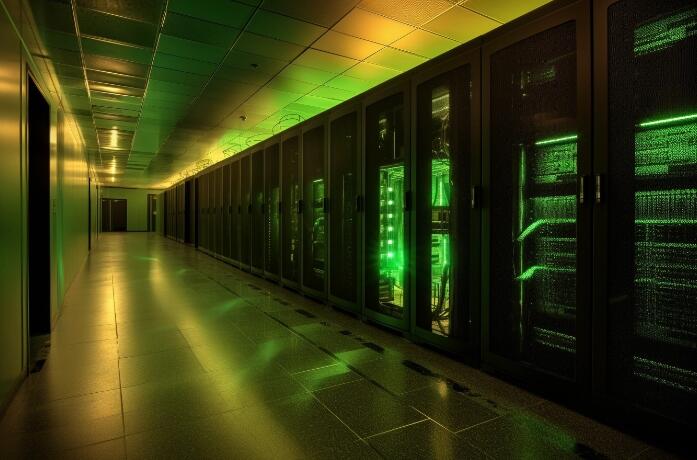
When we think about artificial intelligence's environmental impact, energy consumption typically dominates the conversation. But new research from the University of Cambridge uncovers a more immediate consequence - these technological powerhouses are literally heating up their surroundings at alarming rates.
Heat Islands in the Digital Age
Dr. Andrea Marino's team made a startling discovery after analyzing temperature patterns around data centers: these facilities aren't just processing information - they're transforming local climates. Their study found average temperature increases of 2°C near data centers, with extreme cases showing spikes up to 9.1°C.
"We expected some thermal effect," Marino explains, "but seeing temperature differentials this large was genuinely surprising. These aren't subtle changes - they're dramatic enough to alter local ecosystems and living conditions."
The heat doesn't stay put either. Like ripples from a stone thrown in water, elevated temperatures radiate outward up to 10 kilometers from source locations. This means a single data center cluster could influence weather patterns across an area larger than Manhattan.
Global Hotspots Emerging
Certain regions bear disproportionate impacts:
- Mexico's Bajío region: Once known for mild climates, now showing consistent thermal anomalies
- Spain's Aragon: Agricultural areas facing new climate challenges near tech hubs
- American Southwest: Desert locations seeing compounded heat effects
The team identified over 6,000 large-scale facilities in their analysis, most built within the last decade during AI's explosive growth period.
Why This Matters Now
With AI development accelerating exponentially, these findings couldn't be more timely. Major tech companies plan to construct hundreds of new data centers worldwide in coming years - often in regions already vulnerable to climate change.
The research raises tough questions about sustainable development paths for AI infrastructure. Can we maintain technological progress without literally overheating our communities? Some potential solutions include:
- Advanced cooling systems that recapture waste heat
- Strategic location planning considering thermal impacts
- Renewable energy integration to offset carbon footprints
"This isn't about stopping AI development," Marino emphasizes. "It's about making informed choices so innovation doesn't come at the expense of livable environments."
The study has sparked debate within both scientific and tech communities. While some experts argue the focus should remain on energy sources rather than heat output, others see this as another wake-up call about technology's unintended consequences.
Key Points:
- Thermal impact: Data centers can increase local temperatures by up to 9.1°C
- Far-reaching effects: Temperature changes detectable up to 10km from facilities
- Human scale: Potential impact on over 340 million people globally
- Growth concerns: Findings come as AI infrastructure expands rapidly worldwide