AI Novelists Challenge Human Writers in Web Fiction's New Era

The Robotic Pen: How AI is Rewriting Web Fiction

Imagine working through sleepless nights to craft 10,000 words - a superhuman feat in the web fiction world - only to watch an AI produce 100 times that amount before your next coffee break. This isn't science fiction; it's today's reality on platforms like Tangku, where algorithms now generate complete novel drafts faster than most humans can read them.

Quantity vs. Quality: The Great Literary Divide

Fanqie Novel's servers tell part of the story - their user base exploded from hundreds to over five thousand daily after introducing AI tools. "It's like competing against a printing press that never sleeps," admits one anonymous author who tested the technology.

Yet veteran editor Qiao Huan spots the cracks in this digital revolution: "The sentences are technically perfect, like plastic fruit - shiny but tasteless." Her metaphor captures what Nobel laureate Mo Yan observed when testing AI poetry: brilliant mimicry devoid of lived experience.

Last year's uproar over Fanqie's "AI Training Agreement" exposed raw nerves. Authors rebelled against clauses effectively turning their life's work into machine food. Though the platform retreated, the fundamental question remains unanswered: In this new ecosystem, are writers becoming gardeners or fertilizer?

Two Visions of Tomorrow

Science fiction grandmaster Liu Cixin sees an inevitable takeover within two decades, while scholar Xu Miaomiao counters that "algorithms might replicate competent writing, but never create another 'Dream of the Red Chamber.'"

The stakes extend beyond literature. As Capital Normal University's Digital Humanities Center reports, we're not just deciding how stories get written, but whether future generations will experience art created by beings who've known love, loss - or simply processed data about them.

Key Points:

  • AI writing tools now produce novels at unprecedented speeds (5M words/48hrs)
  • Platforms report user growth but face quality concerns over "assembly-line fiction"
  • Major copyright disputes emerging over using human works to train AI systems
  • Literary community divided on whether AI will augment or replace human creators
Enjoyed this article?

Subscribe to our newsletter for the latest AI news, product reviews, and project recommendations delivered to your inbox weekly.

Weekly digestFree foreverUnsubscribe anytime

Related Articles

News

Creative Commons Backs Paid Web Crawling: Balancing Creator Rights and Open Access

Creative Commons has cautiously endorsed 'pay-to-crawl' systems as AI companies vacuum up web content without compensation. This move could help small creators survive the AI era, but risks creating new barriers for public interest groups. The organization proposes safeguards to protect open access while exploring new revenue models for content providers squeezed by generative AI.

December 16, 2025
AI ethicscontent monetizationdigital publishing
News

Tomato Novel Sees 13-Fold Surge in Submissions as AI Floodgates Open

Online literature platform Tomato Novel reports a staggering 1,302% increase in new book submissions this year, overwhelming editors with AI-generated content. Authors and voice actors share how they're adapting to the AI wave - from tightening review processes to blending human creativity with machine efficiency. The industry faces growing pains as it balances accessibility with quality control.

November 19, 2025
AI writingonline publishingcontent moderation
ChatGPT Ditches Annoying Long Dashes After User Backlash
News

ChatGPT Ditches Annoying Long Dashes After User Backlash

OpenAI CEO Sam Altman announced users can now disable ChatGPT's signature em dashes—a feature many found frustratingly persistent. The update comes alongside GPT5.1's release, offering improved personalization tools. While dashes serve functional purposes in AI writing, their overuse had become a telltale sign of machine-generated content, sparking jokes and complaints across social media.

November 14, 2025
ChatGPTAI writingOpenAI
News

Amazon's New AI Translation Tool Opens Global Doors for Indie Authors

Amazon has unveiled Kindle Translate, a free AI-powered translation service for independent authors publishing through Kindle Direct Publishing. Initially supporting English, Spanish, and German translations, the tool aims to help niche works reach global audiences by overcoming traditional translation barriers. While promising democratization of global publishing, questions remain about AI's ability to capture literary nuance and whether this signals disruption or opportunity for human translators.

November 10, 2025
AI translationself-publishingdigital publishing
News

Amazon's New Kindle Translate Opens Global Doors for Indie Authors – But at What Cost?

Amazon's new Kindle Translate service promises to break language barriers for independent authors, offering free AI-powered translations between English, Spanish and German. While this could democratize global publishing, questions linger about whether algorithms can truly capture literary nuance. Authors get translation previews and direct publishing tools, but the system still struggles with cultural subtleties that define great writing. The service comes with clear AI labeling, letting readers decide if machine-translated stories retain their magic.

November 7, 2025
AI translationself-publishingdigital publishing
Google AI Overviews Disrupt Search Traffic, Study Finds
News

Google AI Overviews Disrupt Search Traffic, Study Finds

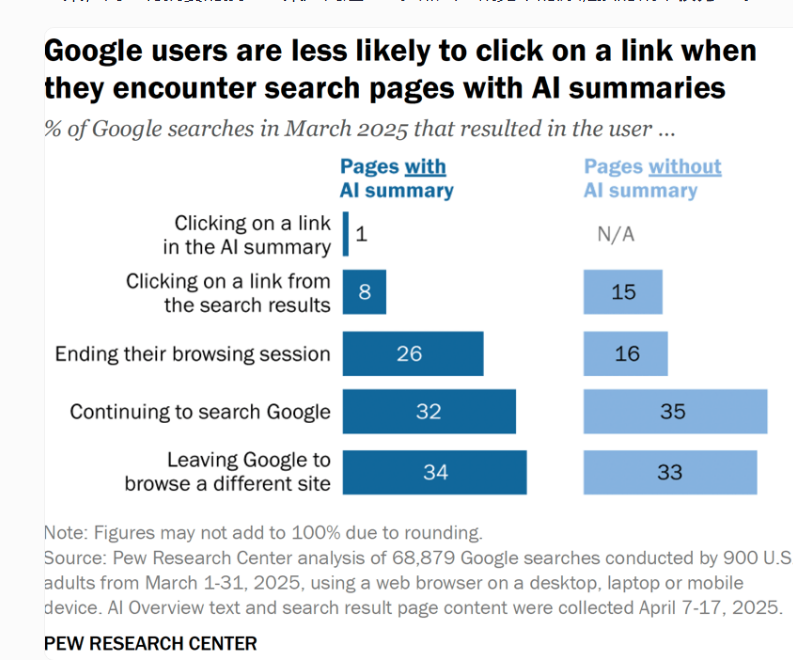
A Pew Research Center study reveals Google's AI Overview feature is dramatically reducing clicks to external websites. The AI-generated summaries keep users within Google's ecosystem, with Wikipedia and government sites benefiting most while news publishers face traffic declines.

July 24, 2025
GoogleAI searchdigital publishing