AI Leaders Sound Alarm: Entry-Level Jobs at Risk as Automation Accelerates
AI's Workforce Revolution Hits Entry-Level Jobs Hard
Davos, Switzerland - The future of work arrived faster than many expected. At this year's World Economic Forum, two prominent AI CEOs dropped a bombshell: their own companies are already replacing entry-level positions with artificial intelligence.
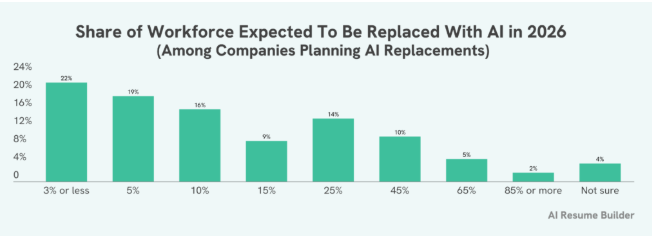
Google DeepMind's Demis Hassabis painted a sobering picture during his Davos interview. "We're seeing real impacts today," he confessed, noting a marked slowdown in hiring for junior roles and internships. The pattern suggests 2026 may become the inflection point when AI begins reshaping job markets in earnest.
Across the conference halls, Anthropic CEO Dario Amodei doubled down on his previous warnings. "About half of entry-level white-collar positions could disappear," he projected, citing early signs in software development where demand for junior programmers is softening.
The Coming Workforce Earthquake
The executives described an approaching perfect storm:
- Compounding effects: AI capabilities improving exponentially
- Concentrated impact: Entry-level roles most vulnerable initially
- Short timeframe: Significant disruptions expected within 1-5 years
"This isn't some distant sci-fi scenario," Amodei emphasized. "The tremors are already being felt in our hiring practices."
Call to Action
Both leaders urged immediate policy responses:
- International governance frameworks for AI workforce transitions
- Economic safety nets to cushion displaced workers
- Education reforms to prepare future generations
The warnings come as governments worldwide grapple with AI regulation. Just last month, the EU passed its landmark AI Act, while U.S. lawmakers continue debating comprehensive legislation.
Key Points:
- 📉 Hiring slowdown: DeepMind reports reduced recruitment for entry-level tech roles
- ⚠️ Job losses projected: Up to 50% of junior white-collar positions at risk according to Anthropic
- ⏳ Urgent timeline: Major workforce impacts expected within 1-5 years without intervention