AI in 2025: How Translation, Search and Browsers Got Smarter
The AI Revolution Hits Everyday Tools
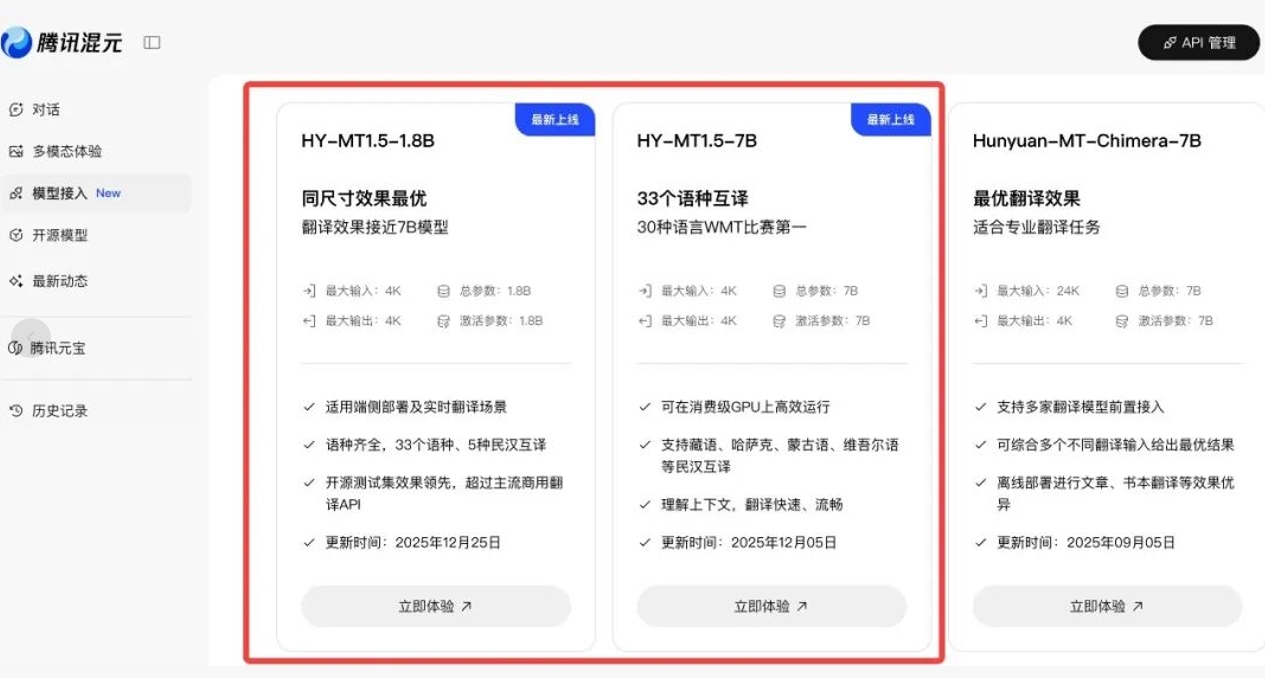
Remember when translation apps gave you awkward word-for-word results? Those days are gone. By 2025, AI-powered translation tools have become remarkably sophisticated, especially in specialized fields like law and medicine. NetEase Youdao's upgraded Translation Large Model 2.0 demonstrates this leap forward - its professional translations now achieve 15% greater accuracy than general models.

Search Gets Smarter
The way we find information online has fundamentally changed. Traditional search engines that spit out pages of links feel downright archaic compared to today's AI-powered alternatives. Platforms like Weibo ZhiSou leverage massive real-time data to deliver precise answers instantly. Even established players like Baidu and Google have pivoted hard toward AI-enhanced search experiences.
Your Browser Just Got an AI Upgrade
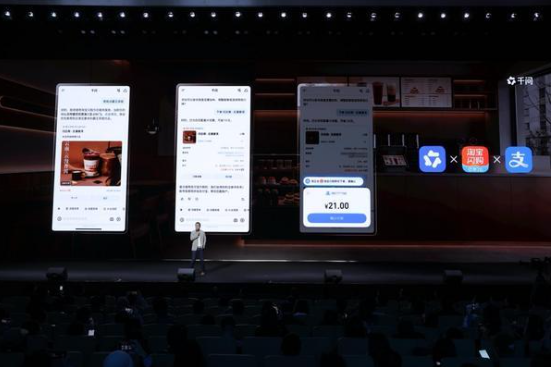
Modern browsers have shed their passive roles as mere internet gateways. Take Quark browser's transformation - it now functions as a comprehensive digital assistant capable of searching, writing summaries, and handling complex tasks seamlessly.
Key Points:
- Translation tools now interpret meaning beyond literal words
- Search engines provide direct answers instead of link lists
- Browsers evolved into multifunctional productivity assistants