AI Helps Save a Dog: How ChatGPT and AlphaFold Designed a Cancer Treatment
When Man's Best Friend Meets AI's Best Tools
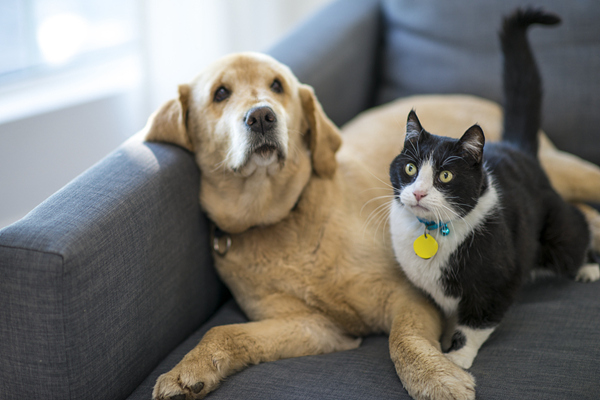
Paul Conyngham never expected his expertise in artificial intelligence would one day help save his dog's life. But when Rosie, his beloved pet, was diagnosed with aggressive mast cell cancer in late 2024, the Australian AI specialist assembled an unconventional medical team: ChatGPT, AlphaFold, and Elon Musk's Grok AI.
From Diagnosis to Treatment
The journey began when Conyngham fed Rosie's medical data into ChatGPT. The language model suggested deep genomic sequencing of the tumor - advice that would prove crucial. "It was like having a brilliant medical researcher available 24/7," Conyngham recalls. "ChatGPT helped me ask the right questions when talking to veterinarians."
AlphaFold then mapped the cancer's protein structures with startling precision, while Grok helped identify FDA-approved drugs that might target those specific proteins. The result? A custom treatment plan that reduced Rosie's tumor by three-quarters in just months.
Experts Weigh In
The medical community is cautiously optimistic. "This case shows AI's potential to democratize complex medical analysis," says Dr. Sarah Chen, a veterinary oncologist not involved in the treatment. But she warns: "We can't yet separate the effects of the AI-designed therapy from traditional treatments Rosie received simultaneously."
Stanford chemical biology expert Egan Peltan raises another concern: cost. Developing such personalized treatments currently runs $20,000-$50,000 - far beyond most pet owners' means.
The Bigger Picture
What excites researchers most isn't just one dog's recovery, but what this case suggests about medicine's future. With tools like AlphaFold becoming more accessible, we're entering an era where AI could help design treatments for rare conditions often overlooked by pharmaceutical companies.
OpenAI President Greg Brockman calls it "a glimpse of precision medicine's future," while DeepMind CEO Demis Hassabis sees potential for "accelerating drug discovery dramatically."
Of course, challenges remain. Proving long-term safety and efficacy takes years of rigorous testing. Regulatory frameworks need updating for this new paradigm. But as Rosie bounds back to health (though not yet fully cured), she represents something profound: artificial intelligence helping preserve that most human of bonds - the love between people and their pets.
Key Points:
- Unlikely Collaboration: ChatGPT suggested diagnostic steps while AlphaFold and Grok helped design treatment
- Promising Results: Tumor shrank by 75%, though traditional therapies were also used
- Cost Concerns: Personalized AI-designed treatments currently cost $20K-$50K
- Medical Revolution: Case demonstrates AI's potential to assist in complex treatment design