AI Glasses Race Heats Up as Qwen's S1 Launches and Apple Prepares 2027 Entry

The New Frontier in Wearable Tech: AI Glasses Take Center Stage

April 15 marked a significant milestone in wearable technology as Qwen officially launched its flagship AI Glasses S1. This release comes just weeks after their G1 model captured an astonishing 70% of the online AI glasses market - a clear signal that consumers are ready for this next evolution in hands-free computing.

Market Dynamics Shift Rapidly

The numbers tell a compelling story. While traditional smart glasses grow at a steady pace, AI-powered models are expanding eight times faster. Meta currently leads in unit sales with nearly 8 million annual shipments, but newcomers like Qwen are rewriting the rules of engagement. Their secret? Moving beyond displays to offer true artificial intelligence companions you wear on your face.

"What makes this generation different is the AI assistant at its core," explains tech analyst Mark Chen. "These aren't just screens for your face - they're proactive digital partners that handle real-world tasks."

From Sci-Fi to Everyday Convenience

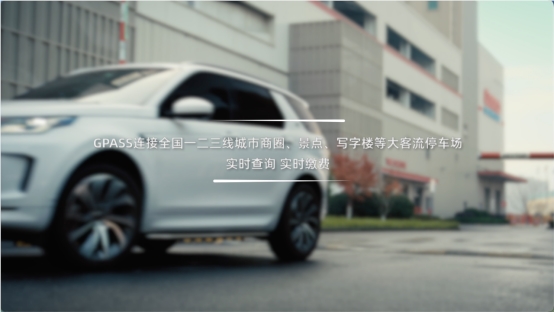
A recent software update transformed Qwen's glasses into practical problem-solvers. Need to rent a bike? Just look at the QR code and say "I want to pay." Parking fees? The glasses handle it. Craving lunch? Place your order without reaching for your phone. These "AI handling" capabilities demonstrate how the technology is moving from novelty to necessity.

Meanwhile, anticipation builds for Apple's expected 2027 entry. While details remain scarce, industry insiders suggest their approach might blend Apple's signature design with groundbreaking AI integration. Huawei is also rumored to be developing its own model, setting the stage for a major showdown in the wearable AI space.

Key Points

  • Qwen's S1 launch follows their G1 model's explosive market debut
  • AI glasses market growth outpaces traditional smart glasses 8:1
  • New functionality includes voice-activated payments and services
  • Major players like Apple and Huawei preparing market entries
  • Practical applications evolving rapidly from novelty to everyday utility
Enjoyed this article?

Subscribe to our newsletter for the latest AI news, product reviews, and project recommendations delivered to your inbox weekly.

Weekly digestFree foreverUnsubscribe anytime

Related Articles

News

MiniMax Agent Gets Smarter: Now Works Inside Your Favorite Apps

MiniMax's latest desktop update brings two game-changing features: Pocket, which lets you access the AI assistant from within Feishu and WeChat, and Computer Use, enabling the agent to perform tasks just like a human. These upgrades signal a shift from simple chatbots to true digital assistants that integrate seamlessly into our daily workflows. With these tools, MiniMax is positioning itself at the forefront of practical AI applications.

April 14, 2026
MiniMaxAI assistantsproductivity tools
News

Google's Gemini 'Notebooks' Brings Order to AI Chaos

Google's latest update to Gemini introduces 'Notebooks,' a feature that transforms the AI assistant into a powerful project management tool. Unlike fleeting chat interactions, Notebooks allow users to organize files, conversations, and personal instructions into dedicated workspaces. The feature, currently rolling out to premium subscribers, marks Google's push to make AI more personalized and productive for serious work.

April 9, 2026
Google GeminiAI productivityNotebooks feature
Meta's Muse Spark: A Smarter, Leaner AI Assistant for Everyday Tasks
News

Meta's Muse Spark: A Smarter, Leaner AI Assistant for Everyday Tasks

Meta has unveiled Muse Spark, a new AI model that promises professional-grade performance with surprising efficiency. Trained by over 1,000 doctors, it can analyze health data visually and even solve Sudoku from photos. What sets it apart? It delivers comparable results to top models while using just one-tenth the computing power of Meta's own Llama4Maverick.

April 9, 2026
AI assistantscomputer visionhealth tech
Taobao Merchants Get Voice-Activated AI Assistant for Faster Operations
News

Taobao Merchants Get Voice-Activated AI Assistant for Faster Operations

Taobao Flash Sales has introduced a voice-activated AI assistant for catering merchants, allowing complex tasks to be completed with simple voice commands. The new feature helps business owners manage orders, adjust inventory, and block problematic customers hands-free. Powered by Alibaba's Bailian and Qwen large language models, this innovation aims to streamline backend operations so merchants can focus on serving customers.

April 9, 2026
e-commerce innovationAI assistantsvoice technology
Ant's Smart Glasses Now Let You Ride Bikes with Just Your Voice
News

Ant's Smart Glasses Now Let You Ride Bikes with Just Your Voice

Ant Group's GPASS technology is transforming how we interact with everyday services. Their latest integration with Qwen AI glasses allows users to unlock shared bikes, pay for parking, and more - all through simple voice commands. No more fumbling for your phone while cycling; just speak naturally and let the glasses handle the rest. This innovation combines voiceprint security with seamless connectivity, making urban mobility smoother than ever.

April 3, 2026
smart glassesvoice technologyurban mobility
Tencent Cloud's 'Lobster' Memory Gives AI Assistants a Better Recall
News

Tencent Cloud's 'Lobster' Memory Gives AI Assistants a Better Recall

Tencent Cloud has rolled out an innovative memory service called 'Lobster' (Agent Memory) that significantly boosts AI assistant capabilities. This four-layer memory system helps AI retain user preferences and project details, improving response accuracy by 59%. Users can activate it with just a few clicks, while businesses can look forward to an upcoming Pro version with enhanced features.

April 3, 2026
AI memoryTencent CloudOpenClaw