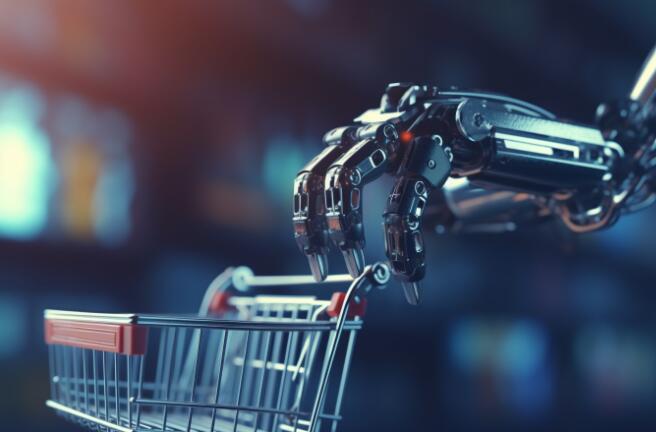
AI at a Crossroads: What 2026 Holds for the Technology Transforming Our World
The AI Revolution Hits Adolescence
Three years of breakneck growth have brought artificial intelligence to an inflection point. In 2026, we're seeing both the incredible promise and sobering realities of this transformative technology.
Investment Boom Meets Bubble Concerns
The money pouring into AI continues to astonish analysts, with global spending projected to exceed $2 trillion this year. But beneath these staggering numbers lies growing unease. Investors are quietly reducing stakes in tech titans like Apple and Microsoft - a subtle vote of no confidence that hints at fears of overheating.
"We're seeing classic bubble indicators," notes financial analyst Sarah Chen. "When even conservative pension funds chase AI stocks, it's time to ask hard questions about sustainability."
The Great Jobs Debate Rages On
AI's impact on employment remains one of society's most divisive issues:
- The pessimists: McKinsey predicts automation could claim 30% of U.S. jobs by 2030
- The optimists: Gartner counters that AI will create more positions than it eliminates by 2027
The truth likely lies somewhere between these extremes. What's certain is that workplaces will transform radically.
"AI isn't just changing what jobs exist," explains labor economist David Park. "It's reshaping how we think about work itself - the skills valued, hours kept, even what 'employment' means."
Superintelligence: Breakthrough or Hype?
The race toward artificial general intelligence (AGI) accelerates:
- Anthropic founder Dario Amodei predicts Nobel-level machine intelligence by year's end
- OpenAI's Sam Altman forecasts ChatGPT evolving into "true AI researchers" within two years But skeptics like Meta's Yann LeCun dismiss such claims as "science fiction masquerading as roadmaps."
The reality check? Today's most visible AI outputs remain plagued by mediocre quality - algorithmically generated clickbait clogging social feeds despite platform crackdowns.
Media's Existential Moment
Generative AI presents traditional news organizations with their greatest challenge since the internet:
Newsrooms now face stark choices: reinvent their business models or fight rearguard legal battles demanding compensation from tech firms.
The path forward remains unclear, but one truth emerges - the age of passive consumption gives way to an era where humans and machines co-create content.
Key Points:
- Investment surge meets skepticism as concerns grow about an overheating market
- Job market transformation accelerates with no consensus on long-term impacts
- Superintelligence predictions divide experts between visionary and hyperbolic
- Traditional media confronts extinction-level threat from generative content
- Quality control emerges as critical challenge amid flood of mediocre AI outputs