ZTE's Co-Claw AI System Boosts Enterprise Security as Computing Revenue Soars
ZTE Takes Bold Step into AI Security with Co-Claw Launch
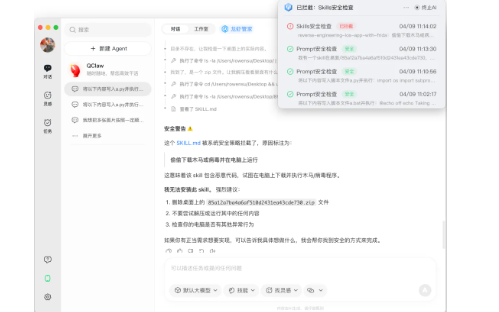
In a move that signals its growing ambitions in artificial intelligence, ZTE has introduced the Co-Claw AI Appliance – a specialized solution addressing critical security gaps in enterprise AI deployments. This hardware-software combo arrives as the company reports explosive growth in its computing power division, with revenues jumping 150% in 2025.
Building Digital Fortresses for Enterprise AI
The Co-Claw system isn't just another AI product; it's specifically engineered to solve real-world business concerns. "Many companies love the flexibility of open-source AI but worry about compliance and data leaks," explains a ZTE spokesperson. "That's where Co-Claw comes in."
Key features include:
- Military-grade protection: Local deployment options keep sensitive data off public clouds
- Enhanced governance: Added security layers on top of the OpenClaw ecosystem
- Full-stack solutions: Complementary hardware designed for AI workloads
Numbers Don't Lie: Computing Power Drives Growth
ZTE's financial reports tell a compelling story:
- Computing revenue now represents 24.6% of total income
- Year-over-year growth outperforms traditional telecom segments
- Investment in AI infrastructure continues to accelerate
"We're seeing enterprises prioritize AI-ready infrastructure," notes industry analyst Li Wei. "ZTE's timing with these solutions couldn't be better."
The Dual Engine Strategy: Networks + AI
Rather than abandoning its telecom roots, ZTE is betting on synergy between connectivity and artificial intelligence:
- Network foundation: High-speed connections enable effective AI deployment
- AI innovation: Smart algorithms optimize network performance in return
This virtuous cycle creates what ZTE calls "intelligent infrastructure" – systems that get smarter as they're used.
Key Points
- ZTE's Co-Claw tackles enterprise AI security concerns head-on
- Computing power business surges 150%, becoming major revenue driver
- Company strategy bridges traditional telecom and emerging AI markets
- New hardware lineup supports full-scale AI implementation
- Network infrastructure remains crucial for AI advancement