WeCom Opens AI Office Tools to Developers with New CLI Project

WeCom Bridges the Gap Between AI and Workplace Automation

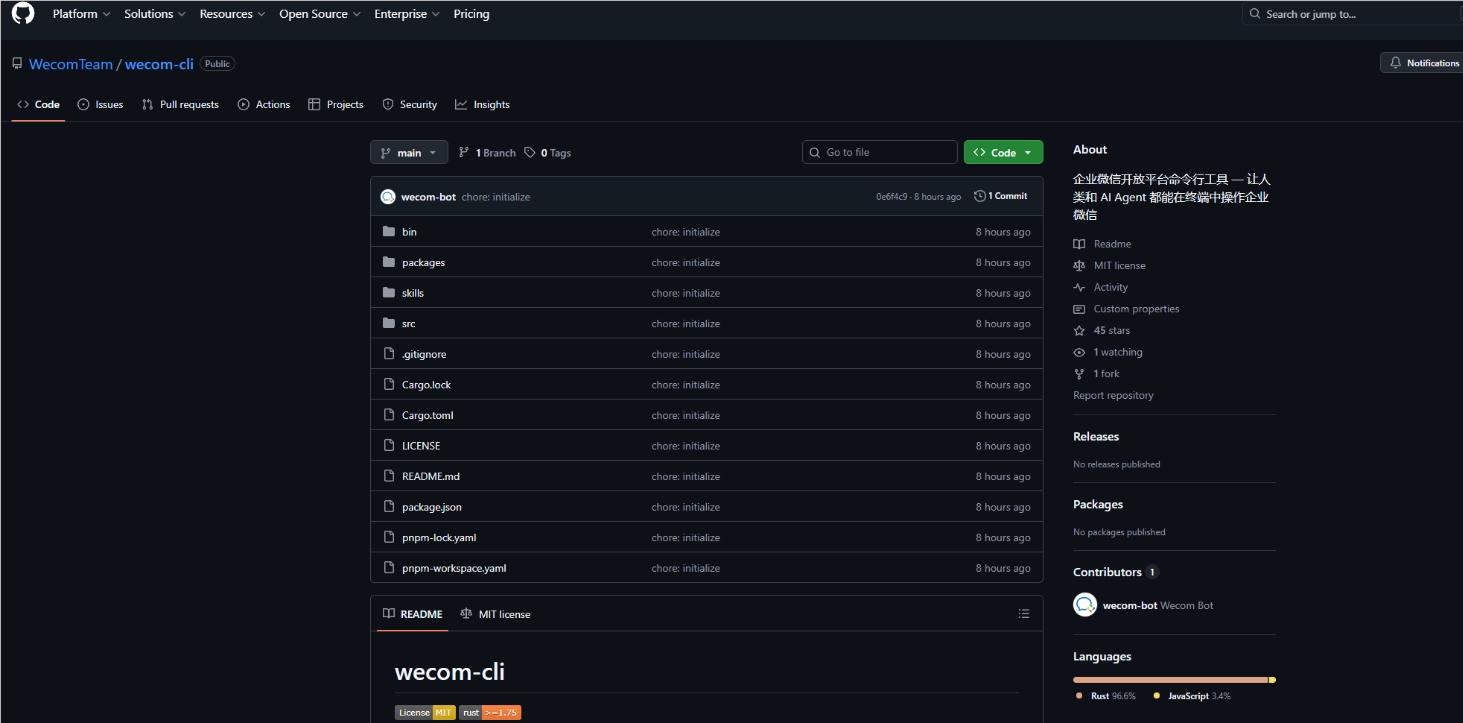
Tencent's Enterprise WeChat platform made waves this week by releasing an open-source command line interface (CLI) that gives AI systems direct access to workplace functions. This technical move could fundamentally change how businesses integrate artificial intelligence into daily operations.

From Suggestions to Execution

The newly launched GitHub project enables AI agents to actively perform tasks rather than just recommend actions. Imagine your virtual assistant not just reminding you about a meeting, but actually scheduling it - that's the level of functionality now possible.

Key capabilities now accessible include:

  • Sending and receiving messages
  • Managing calendars and schedules
  • Editing documents collaboratively
  • Initiating video conferences

Designed for Developer Adoption

Tencent chose the command line approach specifically to ease integration with existing AI frameworks like Claude Code and Codex. The CLI format provides several advantages:

Standardization: Commands follow predictable patterns that AI systems process efficiently Security: Open-source nature allows companies to monitor and control data flows Flexibility: Developers can build custom solutions atop the core functionality

"This isn't just about adding another chatbot feature," observed one industry analyst. "We're seeing enterprise software evolve into platforms where AI doesn't just assist workers, but becomes an active participant in workflows."

The Bigger Picture for Business Tech

The release signals Tencent's ambition to position Enterprise WeChat as essential infrastructure in the age of workplace automation. By opening these tools to developers, they're encouraging innovation while strengthening their ecosystem.

Early adopters report significant time savings on repetitive tasks like:

  • Processing expense reports
  • Coordinating meeting schedules across teams
  • Generating and formatting routine documents

The project documentation emphasizes that these capabilities aim to complement human workers rather than replace them - handling mundane work so employees can focus on higher-value activities.

Key Points:

  • Enterprise WeChat released open-source CLI tools on GitHub
  • Enables direct AI execution of 7 core office functions
  • Compatible with major AI frameworks including Claude and Codex
  • Represents shift from AI assistance to active participation
  • Tencent strengthens position in enterprise software market

Enjoyed this article?

Subscribe to our newsletter for the latest AI news, product reviews, and project recommendations delivered to your inbox weekly.

Weekly digestFree foreverUnsubscribe anytime

Related Articles

WeCom Opens Its Command Line Tools to Developers and AI Agents
News

WeCom Opens Its Command Line Tools to Developers and AI Agents

WeCom has open-sourced its CLI project on GitHub, making seven core capabilities—including messaging, scheduling, and document collaboration—available to AI agents. This move allows popular AI assistants like Claude Code and WorkBuddy to interact more naturally with WeCom's office tools. The initiative focuses on small teams of 10 or fewer, offering practical benefits like improved task accuracy and reduced operational costs. This development marks a significant step in transforming AI assistants from simple chatbots into functional 'digital employees' for businesses.

March 30, 2026
WeComAI IntegrationOpen Source
Tencent Opens WeCom CLI to Supercharge AI Office Assistants
News

Tencent Opens WeCom CLI to Supercharge AI Office Assistants

Tencent has open-sourced its WeCom CLI tool, giving AI assistants unprecedented access to core office functions. Developers can now integrate AI deeply into workflows - from scheduling meetings to processing approvals. This move could transform how businesses use AI for daily operations, solving long-standing issues of disconnected office tools.

March 30, 2026
Enterprise AITencentOffice Automation
News

Android 17 Leaks Reveal Stunning Visual Overhaul and Smarter AI Features

Leaked details about Android 17 showcase Google's boldest redesign in years, featuring a return to frosted glass aesthetics and deeper AI integration. The upcoming system will transform how users interact with notifications while introducing powerful new privacy tools. Early adopters can expect these changes to debut on flagship devices by mid-2026.

March 17, 2026
Android 17Mobile UI DesignAI Integration
Xiao Du Skills Joins ClawHub, Ushering New Era for Smart Homes
News

Xiao Du Skills Joins ClawHub, Ushering New Era for Smart Homes

DuerOS has taken a major leap forward by integrating its smart home Skills into ClawHub's OpenClaw ecosystem. This move transforms DuerOS from a voice assistant into a powerful control module capable of managing complex IoT tasks. With upgraded MCP technology, users can now enjoy seamless cross-platform device control and cloud integration, making smart homes more intuitive than ever.

March 17, 2026
Smart HomeAI IntegrationVoice Technology
News

AntGroup and Lujü Join Forces to Pioneer Next-Gen Robot Intelligence

In a move that could reshape robotics, Ant Lingbo and Leju Robotics have teamed up to bridge AI brains with robot bodies. Their collaboration aims to create smarter, more adaptable machines by combining cutting-edge large language models with real-world robotic hardware. The partnership builds on previous success where Leju provided crucial training data for Ant's LingBot-VLA model. Together, they're tackling one of robotics' biggest challenges: making artificial intelligence work seamlessly in physical machines across industries.

March 16, 2026
Robotics InnovationAI IntegrationIndustrial Automation
Samsung's S26 Ultra Debuts with Privacy Screen and Smarter AI
News

Samsung's S26 Ultra Debuts with Privacy Screen and Smarter AI

Samsung shakes up the smartphone market with its Galaxy S26 Ultra, introducing groundbreaking privacy features and seamless AI integration. The flagship device boasts an innovative hardware-level privacy screen, smarter Bixby capabilities, and refined design elements that address common user pain points. With improved low-light photography and ecosystem integration, Samsung delivers a compelling package for privacy-conscious users.

March 6, 2026
Smartphone InnovationMobile PrivacyAI Integration