WeChat Input Method Goes Big on Dialects and Privacy in Major iOS Update

WeChat Input Method Reinvents Itself with Voice-First Approach

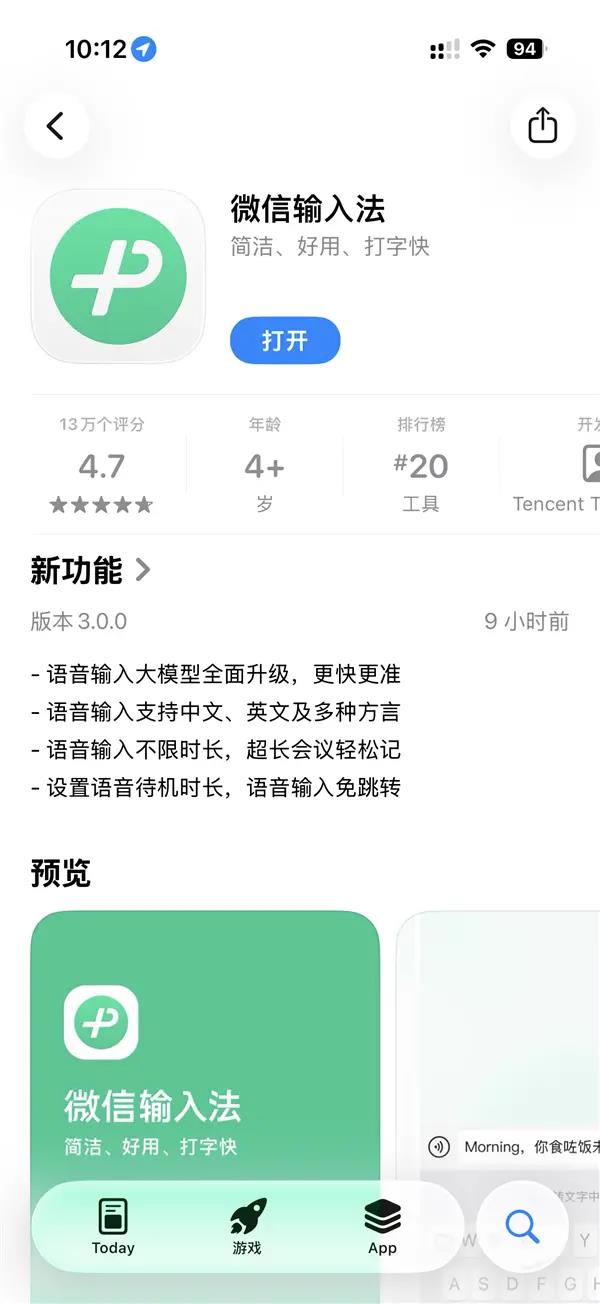
The popular Chinese input app just leveled up significantly. WeChat Input Method's iOS version jumped straight from 2.2.6 to 3.0 today, signaling a complete transformation in how users will interact with their devices.
Image

Dialect Recognition That Just Works

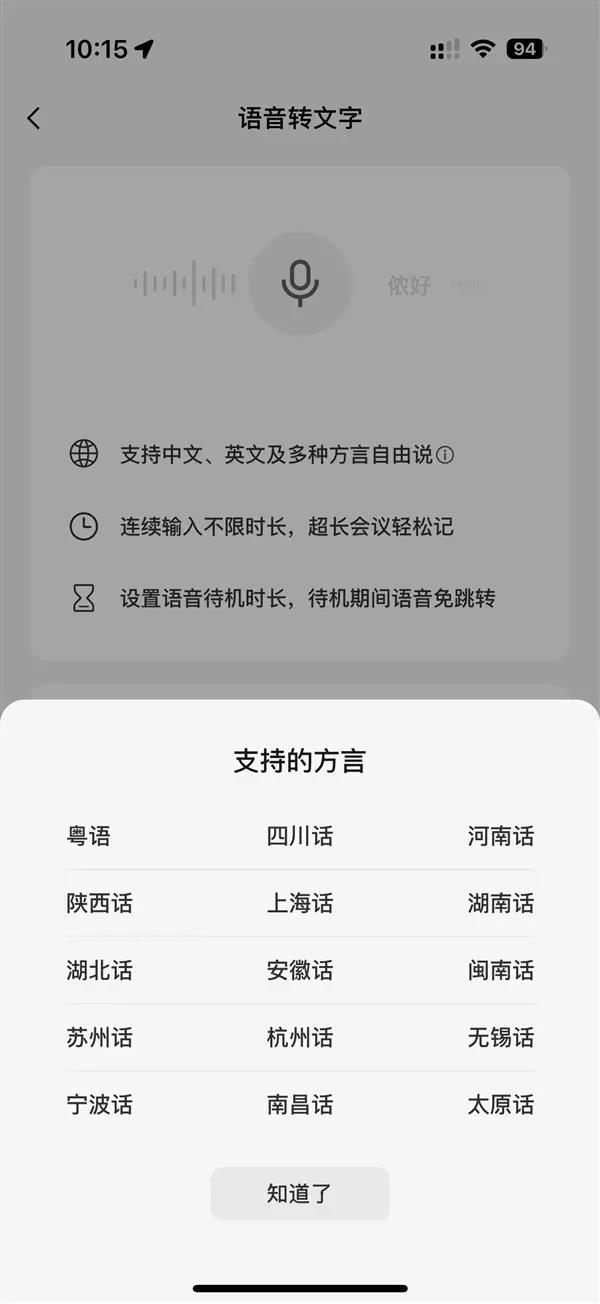
Gone are the days of manually switching language modes. The new version understands 15 regional dialects effortlessly—from Cantonese in the south to Shaanxi dialect up north. Whether you're chatting with grandma in Suzhou dialect or texting friends in Sichuanese, the app adapts automatically.

"The magic happens when you stop thinking about switching languages," explains a WeChat developer familiar with the project. "You just speak naturally, and it gets you."

Professional-Grade Voice Features

For journalists recording interviews or students capturing lectures:

  • No more time limits on voice input (previously capped)
  • Offline functionality means reliable use anywhere
  • Several hours of continuous transcription capability

The offline mode particularly stands out—your voice data never leaves your device when network signals drop.
Image

Privacy By Design

WeChat emphasizes their "minimum data" approach:

  • Voice processing follows strict privacy policies
  • Offline mode keeps everything local
  • No unnecessary data collection

The timing couldn't be better as Chinese users grow increasingly privacy-conscious.

More Than An Keyboard App Now

This isn't just another incremental update. With AI assistants becoming central to mobile experiences globally, WeChat appears positioning its input method as China's answer to sophisticated voice interfaces—with the advantage of truly understanding regional linguistic diversity.

The message is clear: whether you're speaking Mandarin in Beijing or Hakka in Fujian, your phone should understand you perfectly.

Key Points:

  • Supports 15 Chinese dialects with auto-detection
  • Unlimited recording time for professional use cases
  • Fully functional offline voice recognition
  • Stronger privacy protections than previous versions
  • Represents WeChat's push into AI-powered voice interfaces

Enjoyed this article?

Subscribe to our newsletter for the latest AI news, product reviews, and project recommendations delivered to your inbox weekly.

Weekly digestFree foreverUnsubscribe anytime

Related Articles

WeChat Adds Festive Twist: Like Posts, Get Red Packets
News

WeChat Adds Festive Twist: Like Posts, Get Red Packets

WeChat is spicing up Lunar New Year celebrations with two playful features. Users can now create special 'Golden Moments' posts that might reward likers with digital red packets. The app also introduced an AI-powered song generator for personalized holiday tunes. These updates aim to make virtual celebrations more interactive and joyful during the festive season.

February 16, 2026
WeChatLunar New YearAI features
News

HONOR and Plaud Team Up to Bring AI-Powered Meeting Notes Directly to Your Phone

In a move that could make work life easier for millions, smartphone maker HONOR is partnering with AI specialist Plaud to integrate smart recording features right into its operating system. Instead of requiring separate apps or hardware, future Magic OS updates will let users automatically generate meeting notes using just the phone's built-in recorder. The collaboration promises to streamline workflows by eliminating extra steps in the meeting documentation process.

February 9, 2026
mobile technologyAI productivitysmartphone features
News

WeChat's Red Packet Code Crackdown Sparks Controversy

As the Lunar New Year approaches, Alibaba's Qwen AI app launched a massive shopping promotion, quickly topping app charts. But users hit a snag - WeChat appears to be blocking red packet code sharing, affecting even Tencent's own Yuanbao app. This unexpected restriction raises questions about platform openness during China's biggest digital marketing season.

February 6, 2026
WeChatRed Packet WarsDigital Marketing
Tencent's Billion-Red Envelope Gamble Hits WeChat Roadblock
News

Tencent's Billion-Red Envelope Gamble Hits WeChat Roadblock

Tencent's ambitious Spring Festival red envelope campaign for its AI app Yuanbao ran into trouble when WeChat banned the sharing links. The move, which sparked online buzz, forced Yuanbao to quickly pivot to password-protected red envelopes. While the promotion boosted downloads, questions remain about whether cash incentives can build lasting user loyalty in the competitive AI market.

February 4, 2026
TencentWeChatAI competition
WeChat Cracks Down on Tencent's Own App Over Aggressive Holiday Marketing
News

WeChat Cracks Down on Tencent's Own App Over Aggressive Holiday Marketing

WeChat has taken the unusual step of publicly disciplining its parent company Tencent's AI app 'Yuanbao' for overly aggressive Spring Festival promotions. The platform banned sharing links after users complained about constant bombardment with tasks promising red envelopes. This marks WeChat's latest effort to maintain order during China's busiest digital gifting season.

February 4, 2026
WeChatDigitalMarketingPlatformRegulation
Sogou Input Method Goes All-In on AI with Major 20.0 Update
News

Sogou Input Method Goes All-In on AI with Major 20.0 Update

Tencent's Sogou Input Method has unveiled its biggest upgrade yet, fully embracing AI capabilities. The new version delivers smarter voice recognition that works even in whispers, seamless real-time translation across 30 languages, and predictive typing that learns internet slang overnight. What really has users cheering? The option to finally banish keyboard ads with a single click.

January 27, 2026
AI keyboardsvoice recognitionsmart translation