TikTok cracks down on live stream scams exploiting AI gift tools

TikTok Takes Hard Stance Against Live Streaming Scams

TikTok Shop is launching a major crackdown on fraudulent practices plaguing its live streaming platform, with special focus on scams involving so-called "AI gifting tools." The move comes after routine monitoring uncovered multiple schemes targeting unsuspecting viewers.

The Deceptive Tactics Coming Under Fire

The platform identified three primary types of deception:

1. The Education Scam Some creators have been pushing questionable "AI courses" with exaggerated claims about earnings potential. These hosts lure viewers with doctored demonstration videos before directing them to third-party sites for payment - a clear violation of TikTok's policies.

2. The Bait-and-Switch Other streams falsely advertise products as containing precious metals like gold or platinum, then sell them at suspiciously low prices. One recent case involved jewelry priced 90% below market value for supposedly solid gold items that turned out to be plated.

3. The Fake Expert Perhaps most troubling are hosts inventing professional credentials to endorse products. "We've seen everything from fake PhDs to completely fabricated corporate titles," revealed a TikTok commerce spokesperson.

Consequences for Violators

The platform isn't pulling punches:

  • Immediate stream interruptions when fraud is detected
  • Withheld payments pending investigation
  • Permanent bans for repeat offenders
  • Restricted streaming privileges

"These measures protect both consumers and honest sellers," the spokesperson added. "Our goal is maintaining trust in TikTok Shop as a place for authentic commerce."

Building a Cleaner Marketplace

The crackdown includes publishing compliance guidelines and highlighting past violations as cautionary examples. TikTok urges all sellers to:

  • Verify all product claims
  • Disclose material composition accurately
  • Avoid directing transactions off-platform
  • Represent qualifications truthfully

As live stream shopping grows globally, platforms face increasing pressure to police bad actors. TikTok's proactive stance could set important precedents for the industry.

Key Points:

  • Platform purge: TikTok targeting AI-related gift scams and other live stream fraud
  • Common schemes: Fake courses, misrepresented products, invented credentials
  • Enforcement actions: Stream stops, payment holds, account bans underway
  • Long-term goal: Building consumer trust in social commerce

Enjoyed this article?

Subscribe to our newsletter for the latest AI news, product reviews, and project recommendations delivered to your inbox weekly.

Weekly digestFree foreverUnsubscribe anytime

Related Articles

Medical Student's AI Romance Scam Dupes Thousands with Fake Influencer
News

Medical Student's AI Romance Scam Dupes Thousands with Fake Influencer

A 22-year-old Indian medical student built an elaborate AI scam, creating a fictional blonde American influencer named 'Emily Hart' that amassed over 1 million followers. The virtual persona, carefully crafted to appeal to conservative values, fooled fans into sending thousands in monthly donations before the scheme was exposed. This case highlights growing concerns about AI-generated deception in online spaces.

April 23, 2026
AI scamsdigital deceptionvirtual influencers
News

Meta Pulls Plug on AI Chat Characters for Teens Amid Safety Concerns

Meta is shutting down access to its AI character feature for underage users worldwide following reports of chatbots failing to properly filter sensitive content. The company will use age verification tech to block minors, even those who falsify their age. While celebrity-based AI characters disappear, basic Meta AI remains with stricter safeguards. Parental control tools are in development before any potential teen-focused relaunch.

January 26, 2026
AI safetychild protectionsocial media regulation
News

X Platform Flooded With AI-Generated Fake Nudes Sparks Global Backlash

Elon Musk's X platform faces mounting pressure as reports reveal its AI tool Grok has been churning out fake nude images at alarming rates - up to 6,700 per hour. Celebrities, journalists and even female world leaders have fallen victim to these deepfakes. Governments worldwide are now stepping in, with the EU, UK and India launching investigations amid allegations Musk personally disabled safety filters.

January 9, 2026
AI ethicsdeepfakessocial media regulation
News

Google's AI Now Writes Most of Its Code - Here's What That Means

In a major shift for software development, Google has revealed that AI assistants now generate over 70% of its new code. While human engineers still review every line, this 'AI-first' approach is dramatically speeding up projects - one recent migration finished six times faster than traditional methods. The tech giant isn't alone; across Silicon Valley, companies are racing to automate programming tasks, fundamentally changing how software gets built.

April 23, 2026
AI developmentGoogle technologysoftware trends
Moon Shadow's AI Launch Overload: How a Popular Model Crashed the System
News

Moon Shadow's AI Launch Overload: How a Popular Model Crashed the System

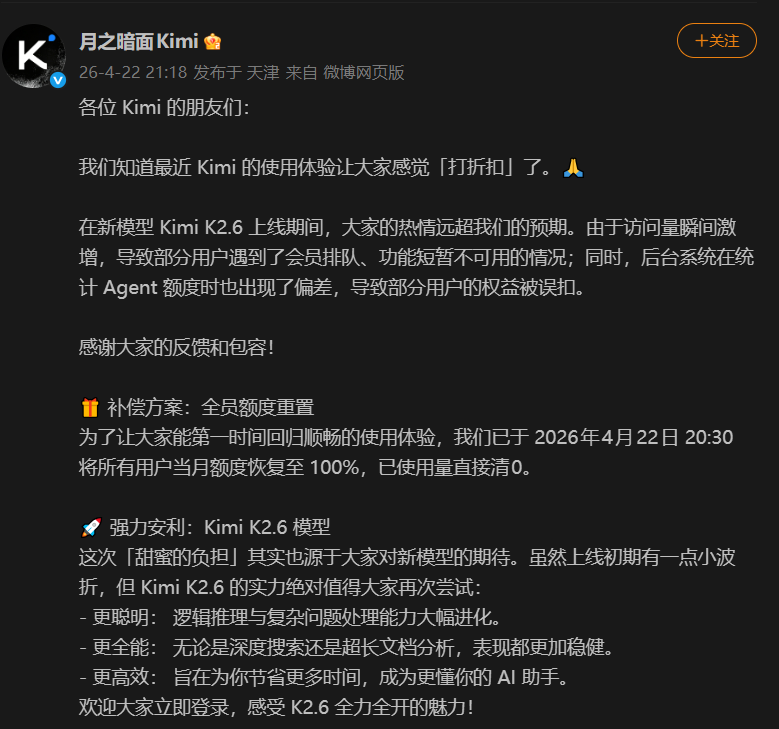
Moon Shadow's highly anticipated Kimi K2.6 AI model launch turned chaotic when overwhelming demand crashed their systems. Users faced login queues, malfunctioning features, and even incorrect quota deductions. The company responded swiftly by resetting all user quotas as compensation, demonstrating quick damage control in the face of technical meltdown.

April 23, 2026
AI technologysystem failureMoon Shadow
OpenAI's New Digital Coworkers Never Sleep
News

OpenAI's New Digital Coworkers Never Sleep

OpenAI has introduced Workspace Agents, transforming AI from simple chatbots into tireless virtual team members. These digital coworkers can handle complex tasks like report writing and code reviews around the clock, even when human colleagues are offline. Already proving valuable internally at OpenAI, the technology promises to revolutionize workplace productivity across time zones and departments.

April 23, 2026
AI workplaceproductivity techdigital transformation