Tencent Unveils 'Shrimp Farm' AI Agent System for Smarter Digital Assistants

Tencent's AI Agent Platform Takes Shape

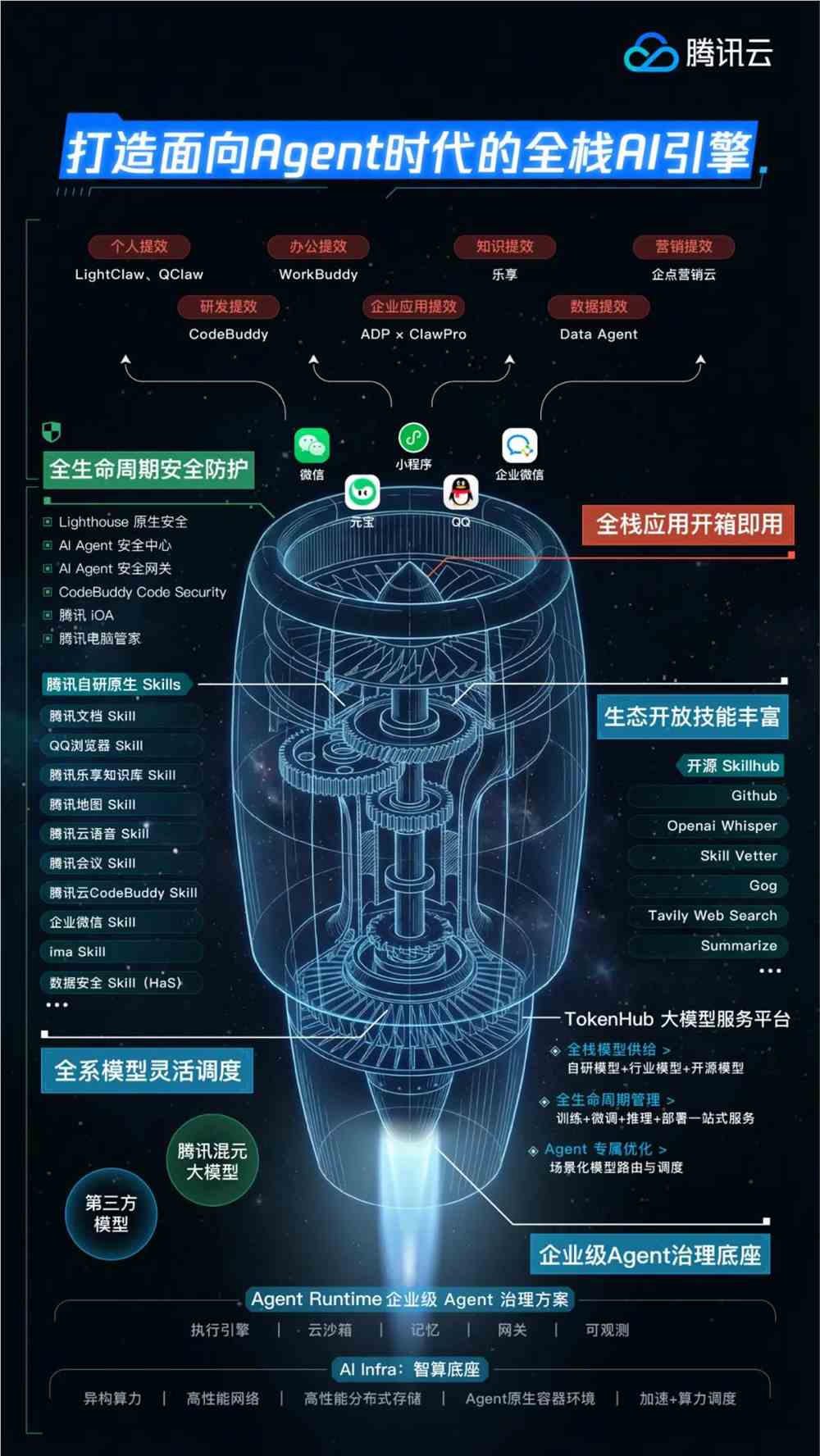
In a move that could redefine how businesses use artificial intelligence, Tencent has unveiled the full architecture of its Agent product line. The Chinese tech giant showcased what it's calling a "full-stack engine" designed to power the next generation of digital assistants.
Image

More Than Just Chat: The 'Shrimp Farm' Approach

The system, playfully nicknamed "Shrimp Farm" by developers, builds on Tencent's AI Infra computing foundation. At its core sits TokenHub - a model service platform that doesn't just rely on Tencent's homegrown Hunyuan model. It also incorporates popular alternatives like MiniMax, Zhipu GLM, and the increasingly popular Kimi chatbot.

"Think of it as matchmaking for AI brains," explains a Tencent spokesperson. "Different tasks and budgets call for different models, and we've built the infrastructure to make those connections seamless."

From Conversation to Action: The Skills Revolution

What sets this platform apart is its focus on moving beyond simple Q&A interactions. Tencent has packed the system with what it calls a "Skills toolbox" - deep integrations with its productivity suite including Tencent Docs, Meetings, and Maps.

But the real game-changer comes through OpenClaw integrations with WeChat, Enterprise WeChat, and QQ. Imagine an AI assistant that can:

  • Analyze public account metrics
  • Generate mini-program pages
  • Manage community interactions
  • Process documents across platforms

"We're seeing the shift from information exchange to actual task completion," notes industry analyst Li Wei. "This could fundamentally change how small businesses operate in China's digital ecosystem."

Security First: Building Trust in Autonomous AI

With great power comes great responsibility - especially when dealing with autonomous systems that might access sensitive data. Tencent has implemented what it describes as a "multi-layered defense network" spanning from foundational Lighthouse security to specialized AI Agent protections.

The company emphasizes its integration with Tencent iOA and Computer Manager 18.0 to address growing concerns about:

  • Data privacy compliance
  • Permission controls
  • Prevention of unauthorized actions
  • Audit trails for AI operations

Key Points:

  • Multi-model support: Works with Hunyuan and third-party AI systems
  • Deep ecosystem ties: Native integration with WeChat/QQ business tools
  • Security focus: Comprehensive protections for autonomous operations
  • Productivity boost: Designed to handle complex workflows beyond simple chat
Enjoyed this article?

Subscribe to our newsletter for the latest AI news, product reviews, and project recommendations delivered to your inbox weekly.

Weekly digestFree foreverUnsubscribe anytime

Related Articles

News

Tencent Bets Big on AI as WeChat Prepares Game-Changing Agent Feature

Tencent is making its largest-ever AI investments, pouring nearly 80 billion yuan into R&D as it prepares to launch AI agents within WeChat. This strategic move could revolutionize how businesses interact with customers on China's dominant social platform. Partner company Weimeng stands ready to help enterprises capitalize on these new capabilities when they roll out later this year.

March 19, 2026
TencentWeChatAI Agents
News

OpenAI Sharpens Focus: Doubling Down on Coding and Corporate Clients

As the AI race heats up, OpenAI is making strategic cuts to concentrate its firepower. The company is pulling resources from scattered experimental projects to focus squarely on two lucrative fronts: programming tools for developers and premium services for businesses. This pivot comes as rival Anthropic eyes an IPO, putting pressure on OpenAI to demonstrate clear paths to profitability in an increasingly competitive market.

March 27, 2026
OpenAIAI StrategyEnterprise Tech
News

AI's 'Lobster Craze' Sparks Industry Transformation as Tech Giants Rush In

The AI world is buzzing with excitement over OpenClaw, an open-source framework nicknamed 'lobster' that's revolutionizing how we interact with technology. Major players like Baidu and Tencent are racing to develop their own AI agents, signaling a potential turning point for commercialization. As these digital assistants move into finance and management, experts predict 2026 could be the year when AI investments finally pay off - though challenges around security and usability remain.

March 27, 2026
AI AgentsTech InnovationCommercialization
Tencent's QClaw AI Assistant Goes Public: Control Your PC with WeChat
News

Tencent's QClaw AI Assistant Goes Public: Control Your PC with WeChat

Tencent has opened public testing for its QClaw AI assistant, removing the need for invitation codes. This innovative tool lets users remotely control their computers through WeChat, offering features like document editing, meeting scheduling, and even GitHub project submissions. With a playful lobster-themed interface and support for domestic AI models, QClaw aims to make powerful AI assistance accessible to everyone.

March 20, 2026
TencentAI AssistantRemote Work
Tencent's AI Gets a Personality Makeover with Playful New Eyes
News

Tencent's AI Gets a Personality Makeover with Playful New Eyes

Tencent's Yuanbao AI assistant just got a major visual upgrade, trading its flat design for a pair of animated eyes that bring the service to life. The refresh comes after strong Spring Festival performance, with daily users peaking at 40 million. While ByteDance's Douban still leads in raw numbers, Yuanbao's deep WeChat integration gives it an edge in user engagement. This isn't just about looks - the makeover reflects Tencent's push to make AI feel more like a helpful companion than cold technology.

March 20, 2026
TencentAI AssistantsBrand Design
ByteDance rolls out new security toolkit for AI model protection
News

ByteDance rolls out new security toolkit for AI model protection

ByteDance has introduced ByteClaw, a new security tool designed to safeguard internal access to large AI models. The company also released comprehensive guidelines addressing common vulnerabilities like prompt injection and data leaks. These measures aim to balance AI innovation with enterprise-grade security as machine learning tools become more prevalent in corporate environments.

March 18, 2026
AI SecurityByteDanceEnterprise Technology