Tech Giants Pledge Energy Independence Amid AI Boom

Tech Giants Take Charge of AI's Energy Future

In a landmark move addressing growing concerns about artificial intelligence's massive energy appetite, leading tech companies will gather at the White House next week to sign commitments ensuring their data centers won't strain public power grids.
Image

The Power Behind AI's Progress

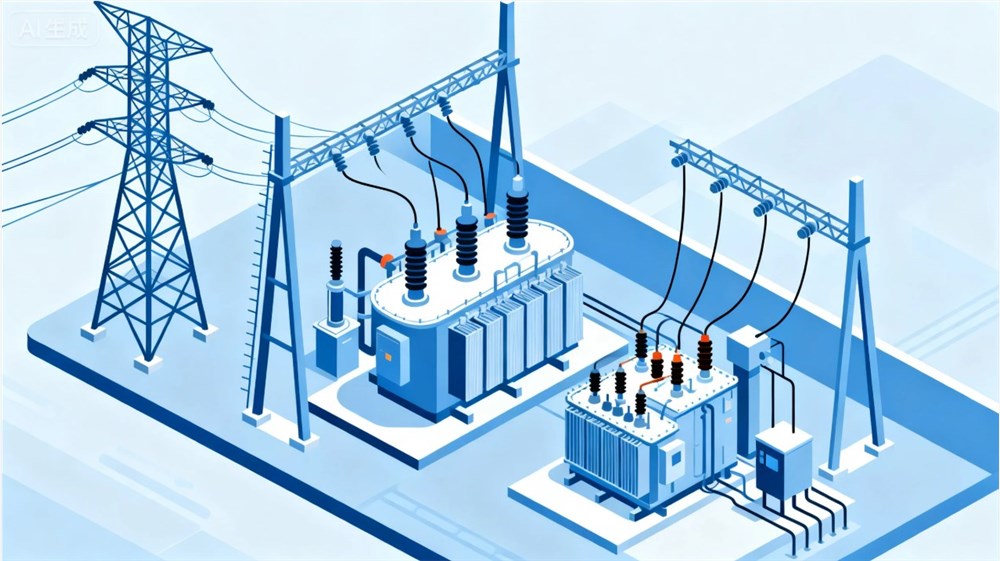
The list of participants reads like a who's who of Silicon Valley: OpenAI, Amazon, Microsoft, Google, Meta, xAI and Oracle have all agreed to the initiative. At its core lies a simple but revolutionary promise - these companies will secure their own electricity supplies rather than drawing from existing public infrastructure.

"This isn't just about corporate responsibility," explains energy analyst Mark Henderson. "It's smart business. As AI models grow more complex, their power needs could otherwise become unsustainable."

Preventing Shockwaves Through Household Budgets

The timing couldn't be more critical. Recent months have seen mounting anxiety as communities near major data centers report spikes in electricity rates. Some regions worry that residential customers might end up subsidizing tech companies' expanding operations through higher utility bills.

By taking power procurement into their own hands, these firms aim to:

  • Develop dedicated energy sources including nuclear and renewable options
  • Build microgrids independent of traditional utility systems
  • Prevent AI advancement from becoming a burden on everyday consumers

The agreement represents more than good PR - it's becoming essential for maintaining public support as AI becomes increasingly embedded in daily life.

A New Era of Energy Competition

Industry watchers see this as the opening move in what may become "the great energy race" among tech titans. Companies investing early in sustainable power solutions could gain significant competitive advantages.

The White House meeting promises to set standards that could shape global computing infrastructure for years to come. While details remain under wraps, insiders suggest the framework will encourage innovation while ensuring accountability.

The stakes are high: get this right, and AI can grow without triggering an energy crisis; get it wrong, and we risk facing difficult trade-offs between technological progress and household budgets.

Key Points:

  • Who: OpenAI, Microsoft, Amazon, Google and other major tech firms
  • What: Commitment to self-supply data center electricity needs
  • When: Signing ceremony scheduled for next week at White House
  • Why: Prevent AI expansion from straining public power grids
  • Impact: Could establish new standards for sustainable computing
Enjoyed this article?

Subscribe to our newsletter for the latest AI news, product reviews, and project recommendations delivered to your inbox weekly.

Weekly digestFree foreverUnsubscribe anytime

Related Articles

Claude Code Goes Mobile: Program from Anywhere with Your Phone
News

Claude Code Goes Mobile: Program from Anywhere with Your Phone

Anthropic's Claude Code now lets developers control their AI coding assistant remotely via smartphone. The new feature uses secure sync technology to keep code local while allowing mobile command input - perfect for maintaining workflow during commutes or coffee breaks. Initially rolling out to Claude Max subscribers, it promises to redefine mobile programming without compromising security.

February 26, 2026
AI developmentmobile programmingClaude Code
News

Alibaba Cloud shakes up AI coding with 7.9 yuan access to top Chinese models

Alibaba Cloud has dropped a bombshell in China's AI coding market with an unprecedented subscription package starting at just 7.9 yuan ($1.10) for the first month. The offer gives developers one-click access to four leading domestic AI models, including Alibaba's own record-breaking Qwen3.5. This aggressive pricing strategy marks a significant escalation in the battle for dominance in what's become the most commercially valuable arena for large language models.

February 26, 2026
AI developmentcloud computingChinese tech
Doubao AI Gets Smarter and Cheaper: Version 2.0 Cuts Costs Dramatically
News

Doubao AI Gets Smarter and Cheaper: Version 2.0 Cuts Costs Dramatically

Volcano Engine's Doubao Large Model just leveled up significantly. The new 2.0 version slashes inference costs by 90% while boosting performance across the board. With four specialized models catering to different needs, enhanced multimodal understanding that beats competitors like Gemini, and improved coding capabilities, Doubao is positioning itself as a serious AI contender. Developers will appreciate the newly opened API access and affordable pricing options.

February 14, 2026
AI developmentMachine learningTech innovation
News

MiniMAX Prepares Global Debut: M2.5 Model Enters Secret Overseas Testing

Chinese AI firm MiniMAX is quietly testing its next-generation M2.5 model overseas before launch, signaling ambitious global expansion plans. The model focuses on intelligent agent capabilities, promising improved task execution and user experience. This strategic move positions MiniMAX to compete internationally while strengthening its technological edge.

February 12, 2026
AI developmentMiniMAXintelligent agents
News

Baidu Qianfan's New Coding Plan: Free AI Assistance for Developers

Baidu Qianfan has launched its Coding Plan, a subscription-free AI coding service that integrates top models like GLM-4.7 and DeepSeek-V3.2. This innovative platform offers full lifecycle code support, from writing to optimization, with seamless model switching. It's designed to make AI programming more accessible for both enterprises and individual developers, transforming AI from an occasional tool to a daily coding companion.

February 12, 2026
AI developmentprogramming toolsBaidu Qianfan
News

Spark X2 AI Model Expands Global Reach with 130+ Languages

Flytech's Spark X2 large language model has taken a significant leap forward, now supporting over 130 languages while maintaining top-tier performance in core capabilities. The upgrade particularly shines in specialized fields like education and healthcare, offering more practical solutions than ever before. Developers can already access these new features through multiple platforms.

February 11, 2026
AI developmentmultilingual technologyindustry applications