Seoul Tests AI Cameras to Keep Intersections Moving
Seoul Takes on Gridlock with Smart Traffic Cameras
Drivers in Seoul's Gangnam District will soon have an extra pair of eyes watching their intersection behavior - artificial ones. Beginning December 2025, South Korean authorities will test AI-powered traffic cameras designed to keep crossings clear during signal changes.
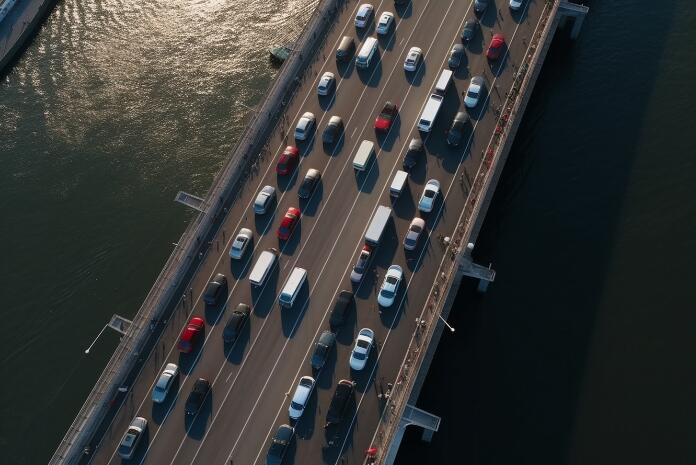
Image source note: The image is AI-generated, and the image licensing service provider is Midjourney.
How the Smart System Works
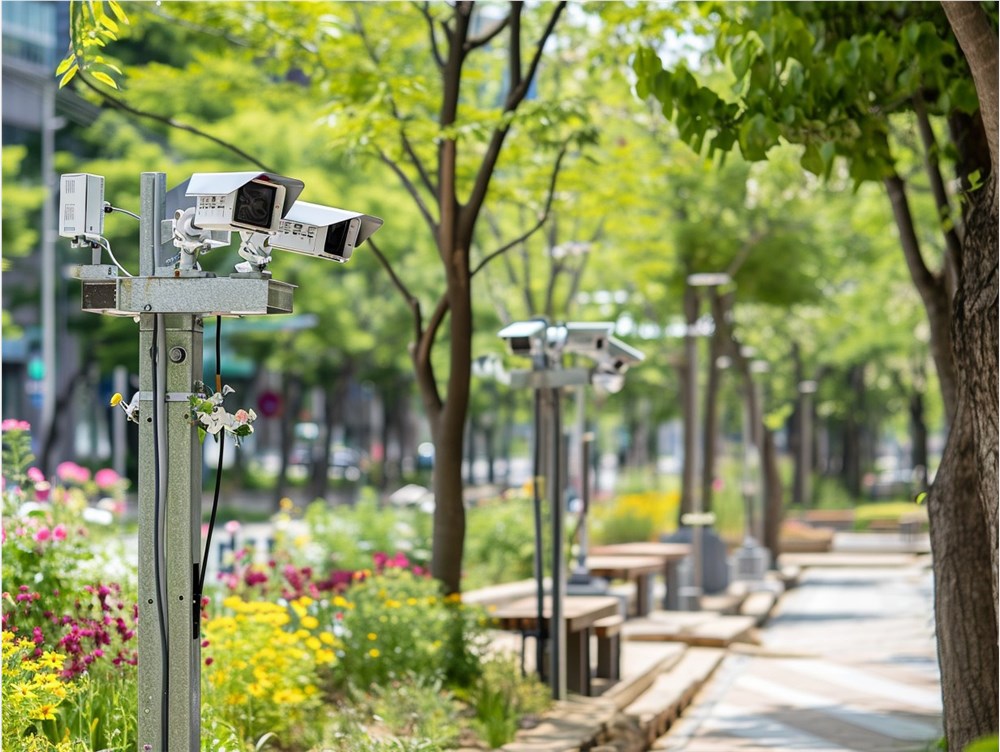
The "Unmanned Intersection Follow-Up Enforcement System" targets a specific frustration familiar to urban commuters worldwide: drivers who enter intersections on green lights but get stranded when signals change. Using advanced video analysis, the cameras will issue warnings (but not fines during this trial phase) to vehicles caught blocking the box.
"We're focusing first on education rather than punishment," explained a police spokesperson. "The goal is changing driver mindset, not just collecting fines." Emergency situations like accidents or breakdowns won't trigger alerts.
Beyond Red Light Running
What makes this system noteworthy is its multitasking capability. A single camera setup can simultaneously monitor:
- Red light violations
- Speeding vehicles
- Tailgating incidents
This consolidation reduces maintenance needs while boosting enforcement efficiency. Traditional systems typically require separate devices for each violation type.
Expansion Plans
The three-month Gangnam pilot serves as a proving ground before wider deployment. Authorities plan to equip:
- 10 chronically congested intersections by 2026
- 883 busy crossings nationwide by 2027
The rollout schedule prioritizes locations where intersection blocking creates ripple-effect delays across entire districts.
Why This Matters Now
Seoul's initiative comes as cities globally wrestle with balancing mobility and safety:
- Existing laws already prohibit entering clogged intersections (with fines up to ₩70,000/$50)
- Enforcement has been inconsistent without automated monitoring
- "Green light doesn't always mean go," reminds traffic engineer Park Ji-hoon. "Drivers must assess whether they can completely clear the intersection first."
The program represents South Korea's latest move toward smart transportation solutions following earlier successes with:
- AI-powered parking availability systems
- Dynamic traffic light adjustments
- Predictive congestion modeling
Key Points:
🚦 Smart monitoring begins December 2025 in Gangnam District 📹 AI cameras detect multiple violations simultaneously with high accuracy 🚗 Driver education focus during initial three-month trial phase 🌉 National expansion planned, targeting 883 intersections by 2027