Samsung's Luna AI Robot: Stylish Concept or Just Another Smart Gadget?
Samsung's Luna AI Robot: Between Innovation and Redundancy
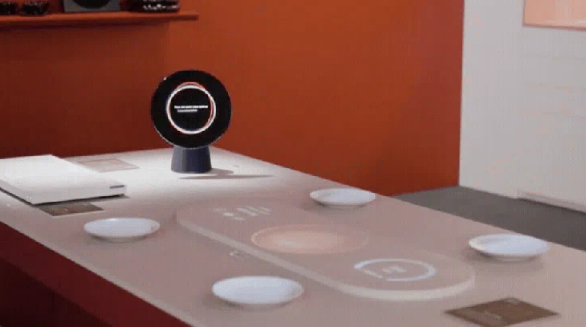
When Mauro Porcini, Samsung's Chief Design Officer, recently pulled back the curtain on the Luna AI robot, the tech world got its first look at what might be the company's next big play in home robotics. With its distinctive circular display and expressive rotating head, Luna certainly makes a visual statement - but will it make a practical difference in consumers' lives?
A Familiar Face in New Packaging
The design language immediately recalls Samsung's previous 'AI OLED Palette,' suggesting the company is building on existing concepts rather than reinventing the wheel. This continuity might please design enthusiasts, but it raises eyebrows among those hoping for more radical innovation.
"It looks like someone crossed a smart speaker with a karaoke machine," quipped one industry observer on social media. The comparison isn't entirely unfair - Luna's rounded form factor does bear resemblance to entertainment devices more than traditional home assistants.
Functionality Under Fire
Early reactions highlight a growing skepticism about smart home devices that promise revolution but deliver evolution. Many potential users question whether Luna offers anything their smartphones or smartwatches can't already handle.
"Why would I need another device telling me the weather when my phone does that perfectly well?" asked tech blogger Rachel Chen in her initial impressions piece. "Unless Luna can fold my laundry or walk my dog, I'm not sure what problem it solves."
The shadow of Jibo looms large over this discussion. Remembered as one of the first social robots to capture public imagination before flaming out spectacularly, Jibo serves as a cautionary tale about devices that prioritize charm over utility.
What Samsung Says
Porcini emphasizes that Luna remains in the concept phase, though market launch appears imminent. The design chief describes it as "an emotional companion" rather than just another gadget - language that echoes exactly what Jibo's creators once said.
Industry analysts note this positioning might work better in Asian markets where companion robots have found niche success, but could struggle elsewhere. "Western consumers tend to be more transactional about technology," explains MIT researcher David Lin. "They want clear functionality before they'll welcome something new into their homes."
Key Points:
- Design-forward approach continues Samsung's 'AI OLED Palette' aesthetic with rotating head mechanism
- Utility questions persist as functions appear duplicative of existing devices
- Jibo comparisons highlight challenges facing social robot concepts
- Market readiness uncertain despite imminent launch plans
- Cultural differences may determine adoption rates across regions